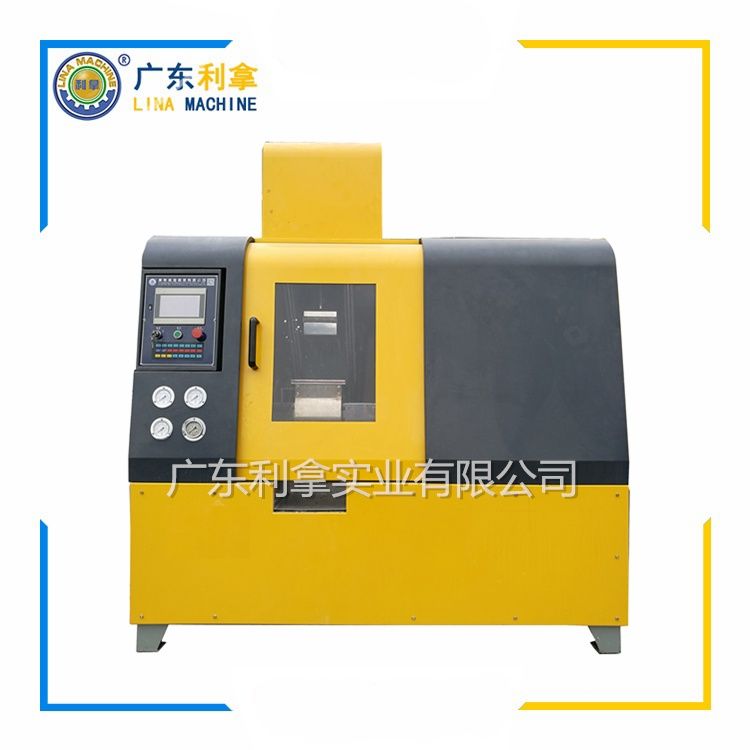
The Art of Ceramic Mixing: A Closer Look at Ceramic Mixing Machines
Ceramic mixing machines are an essential tool in the ceramics industry, used to mix and blend various ceramic powders into a uniform mixture. These machines are designed to handle high temperatures and pressures, making them ideal for processing materials that require extreme conditions. In this article, we will explore the different types of ceramic mixing machines available and their unique features.
One of the most common types of ceramic mixing machines is the rotary drum mixer. This machine consists of a rotating drum that is surrounded by a stationary cylinder. The powders are fed into the drum through a hopper, which is then mixed with the other ingredients using a series of blades that rotate inside the drum. The resulting mixture is discharged from the bottom of the drum, where it is collected and stored for further processing.
Another popular type of ceramic mixing machine is the ball mill. This machine uses grinding balls to break down the powders into smaller particles, creating a more even consistency. The balls are rotated inside a cylinder, which is then rotated on its axis. This process helps to distribute the powders evenly throughout the mixture, resulting in a smoother final product.
In addition to these two types of ceramic mixing machines, there are also specialized machines designed for specific applications. For example, the pugmill is a small, handheld machine that is used for mixing small batches of ceramic powders. It is ideal for use in workshops or in research settings where space is limited.
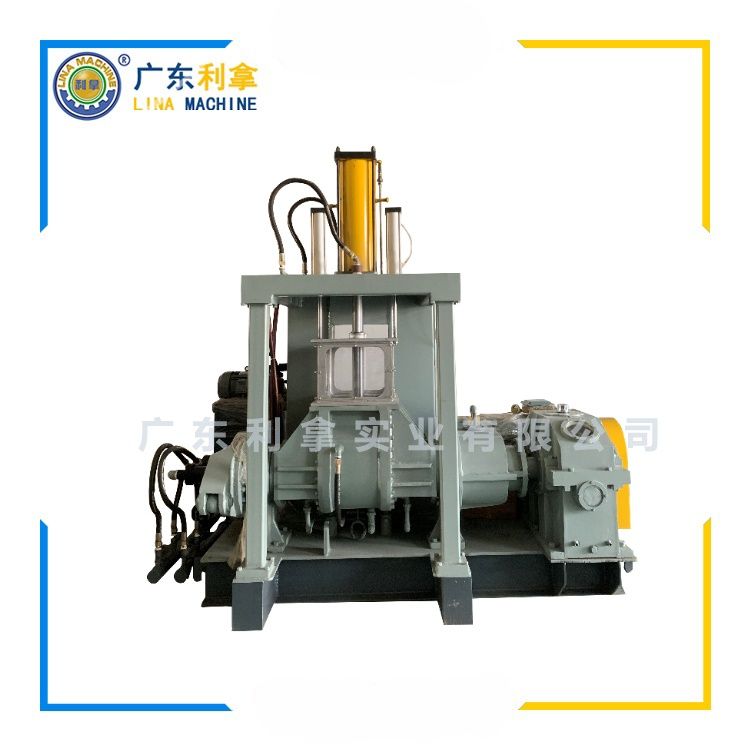
The choice of ceramic mixing machine depends on the size of the batch being processed, as well as the desired consistency of the final product. Larger batches may require a rotary drum mixer, while smaller batches may be better suited to a ball mill or pugmill. It is important to consider the temperature and pressure requirements of the ceramic material being processed when selecting a machine, as some machines may not be suitable for certain types of materials.
In conclusion, ceramic mixing machines play a crucial role in the ceramics industry, allowing for the accurate and consistent mixing of various materials. By understanding the different types of machines available and their unique features, manufacturers and researchers can choose the right machine for their needs. Whether you're looking to produce a single batch of ceramic powder or a large-scale production line, there is a machine out there that can help you achieve your goals.