



The Art of Mixing: An Exploration of the Milling Machine
In the realm of industrial machinery, few machines are as ubiquitous and integral to the manufacturing process as the milling machine. At its core, a milling machine is a tool that uses rotating cutting tools to shape materials into precise shapes. This versatile machine has been used for centuries in various industries, from automobiles to electronics, and remains an essential part of modern manufacturing processes.
The milling machine's primary function is to remove material from a workpiece, creating a smooth surface or intricate pattern. This process involves feeding the workpiece into the machine, which then rotates at high speeds to cut through the material. The cutting tool, often made of steel or other hard materials, is precisely positioned to ensure uniformity in the cuts made. As the workpiece moves along the machine's axis, the cutting tool follows, gradually removing layers of material until the desired shape is achieved.
The design of a milling machine is critical to its effectiveness. It must be able to handle a wide range of materials, including metals, plastics, and composites. Additionally, the machine must be able to operate efficiently and reliably, with minimal downtime. This is achieved through advanced technology, such as computer-controlled systems that allow for precise adjustments to the cutting parameters.
One of the most significant benefits of using a milling machine is its ability to produce complex shapes and intricate details. By using a variety of cutting tools and techniques, milling machines can create parts with fine detail and precision. This makes them ideal for applications where accuracy and precision are critical, such as in the automotive industry or the electronics sector.
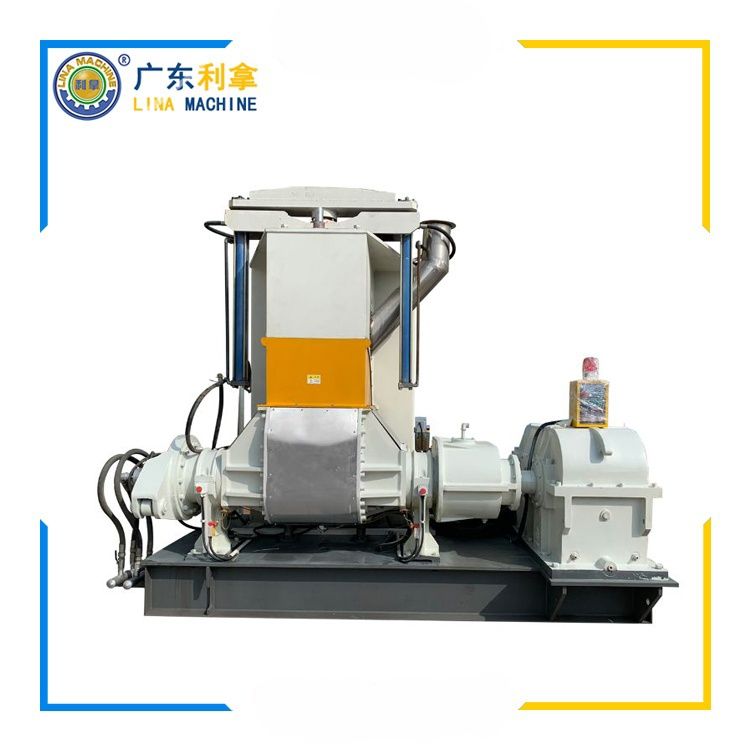
However, the use of milling machines also comes with some challenges. One of the main concerns is the environmental impact of these machines. They generate a significant amount of noise and vibration, which can have negative effects on nearby structures and communities. Additionally, the disposal of worn-out cutting tools and other waste can be a problem, as they require special handling and disposal procedures.
Despite these challenges, the benefits of using milling machines continue to outweigh their drawbacks. With advances in technology and innovation, it is likely that we will see even more efficient and effective milling machines in the future. These machines will continue to play a crucial role in shaping our world, from the production of everyday items to the creation of innovative products and technologies.
1. milling machine
2. manufacturing process
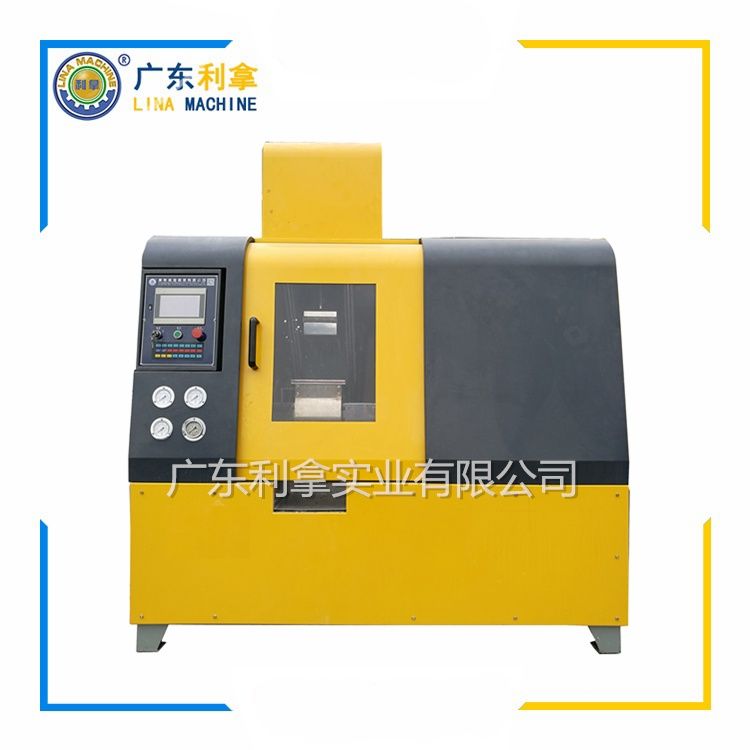
3. cutting tools
4. computer-controlled systems
5. environmental impact
This article provides an in-depth exploration of the milling machine, highlighting its importance in the manufacturing industry. We discuss the basic functions of this versatile machine, its design considerations, and the challenges associated with its use. We also explore the benefits of using milling machines, including their ability to produce complex shapes and intricate details. Despite these advantages, we acknowledge the environmental impact of these machines and look forward to advancements in technology that will make them even more efficient and effective in the future.