



The Evolution of Foamed Silica Gel Pressing Production Lines
In the realm of industrial manufacturing, the production of foamed silica gel has become a crucial process in various industries. The foamed silica gel is widely used in various applications such as electronics, automotive, and construction. To meet the high demand for this product, advanced production lines have been developed to enhance efficiency and quality. One such line is the foamed silica gel pressing production line. This article will explore the development of these production lines and their impact on the industry.
The foamed silica gel pressing production line is a complex system that involves several stages of processing. The raw materials are first mixed with water and other additives to form a paste. This paste is then poured into a mold and pressed using a specialized tool to create the desired shape. The mold is then cooled and the formed foamed silica gel is removed from the mold. Finally, the foamed silica gel is dried and packaged for sale.
The development of foamed silica gel pressing production lines has significantly improved the efficiency and quality of the product. With automation and computer control, the process can be completed quickly and accurately. This not only reduces labor costs but also ensures consistent product quality. Additionally, the use of advanced equipment allows for precise control over the temperature and pressure during the pressing process, which helps to produce more uniform and dense foamed silica gel.
Another significant advantage of these production lines is their ability to handle large-scale production. As the demand for foamed silica gel increases, traditional manual methods cannot meet the production needs. However, with an efficient production line, manufacturers can easily scale up their operations to meet the growing market demand. This not only saves time and resources but also improves profitability.
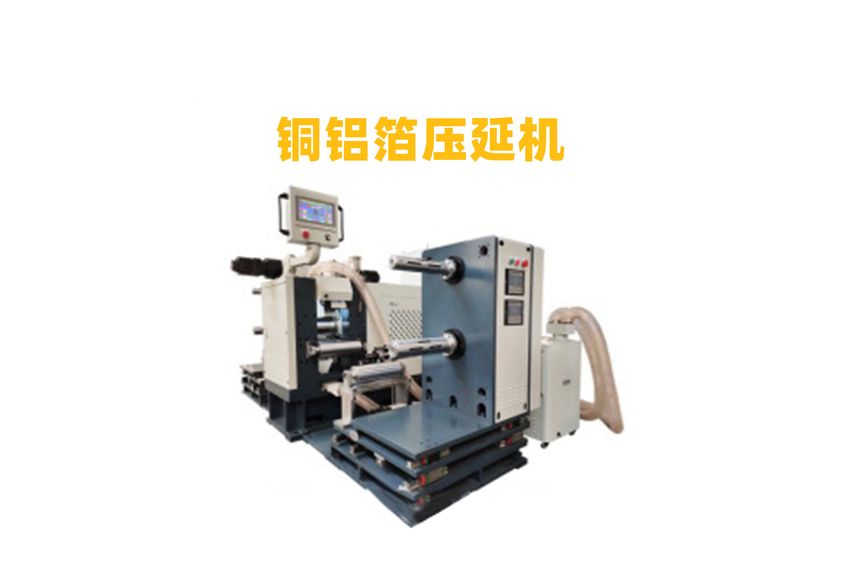
In conclusion, the development of foamed silica gel pressing production lines has had a significant impact on the industry. These lines have enhanced efficiency, improved quality, and enabled large-scale production. As the demand for this product continues to grow, it is likely that these production lines will continue to evolve and improve, further enhancing the competitiveness of the industry.