
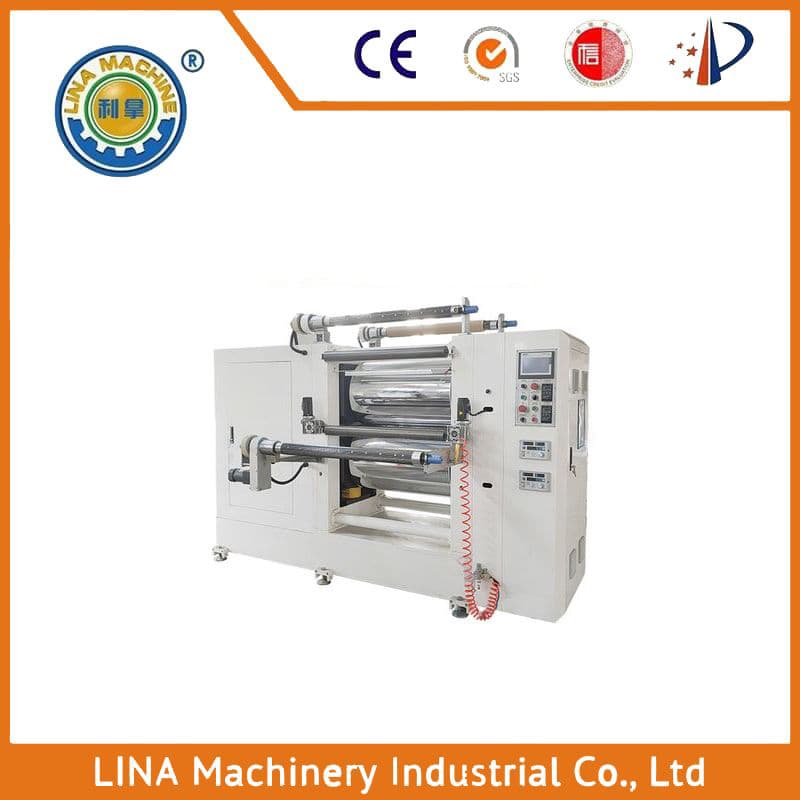
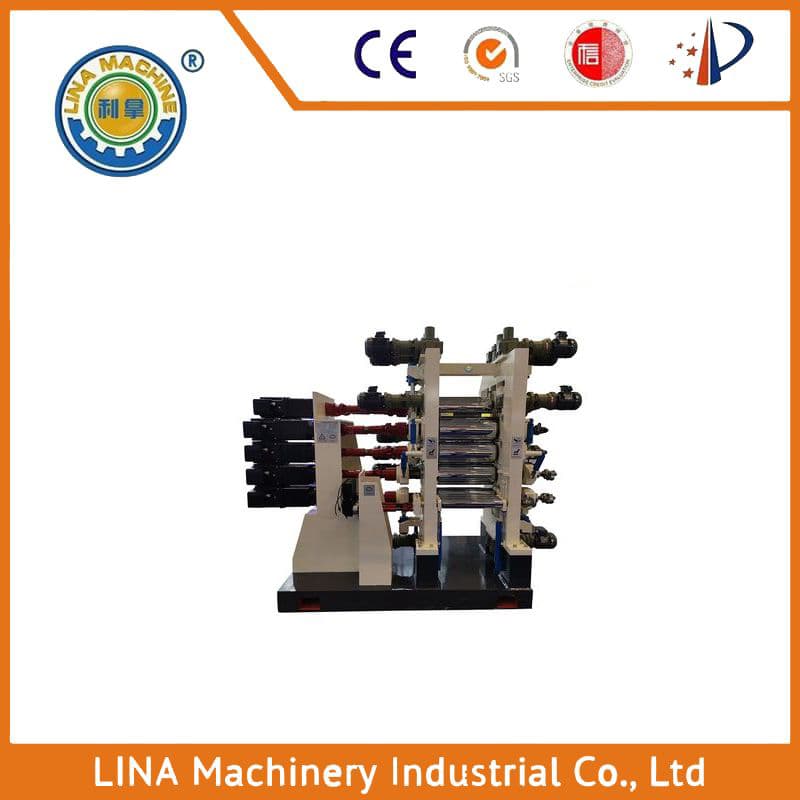
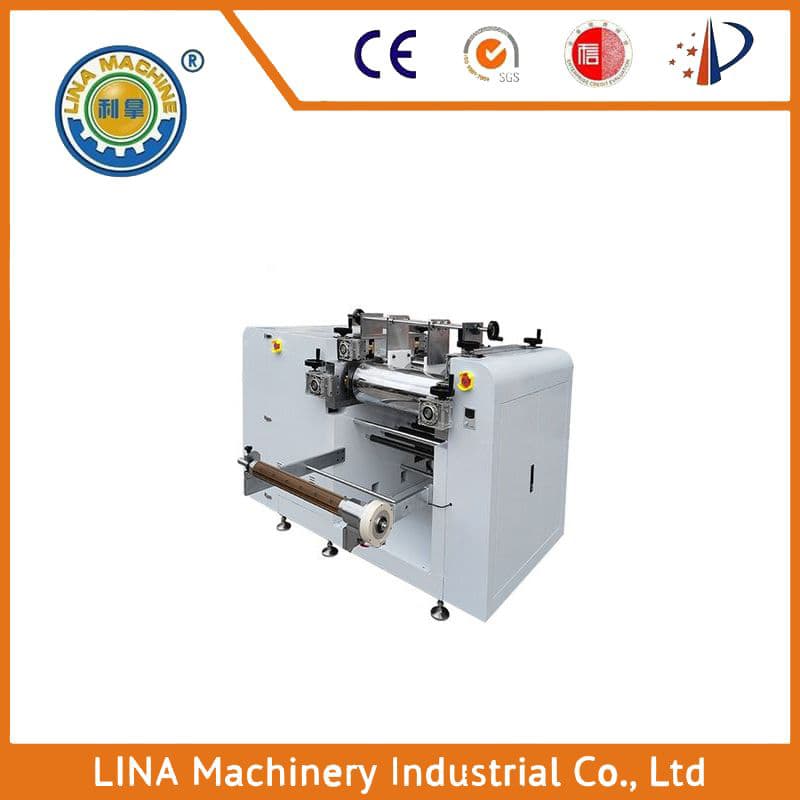
The Laboratory Rolling Mill: A Critical Component in the Manufacturing Process
The laboratory rolling mill is a critical component in the manufacturing process, providing a versatile and efficient way to process materials. This machine is designed to handle a wide range of materials, including metals, plastics, and composites, and can be used for various applications such as rolling, drawing, extrusion, and shaping.
One of the key features of the laboratory rolling mill is its ability to produce high-quality products with minimal waste. The machine uses advanced technology to control the temperature, pressure, and speed of the material during processing, ensuring that it reaches the desired physical properties without damaging the material. This results in products with superior strength, durability, and precision.
In addition to its technical advantages, the laboratory rolling mill is also highly versatile. It can be used to produce a wide range of products, from simple sheets and tubes to complex shapes and components. This makes it an ideal tool for researchers and engineers who need to test and develop new materials or processes.

Another important aspect of the laboratory rolling mill is its safety features. The machine is equipped with protective gear and safety mechanisms to prevent accidents and injuries. This ensures that users can work safely and efficiently without worrying about potential hazards.
Overall, the laboratory rolling mill is an essential tool for anyone involved in the manufacturing industry. Its ability to produce high-quality products with minimal waste, combined with its versatility and safety features, make it a valuable asset in any lab or factory. Whether you're a researcher or an engineer, investing in a quality laboratory rolling mill is a smart decision that will pay off in the long run.