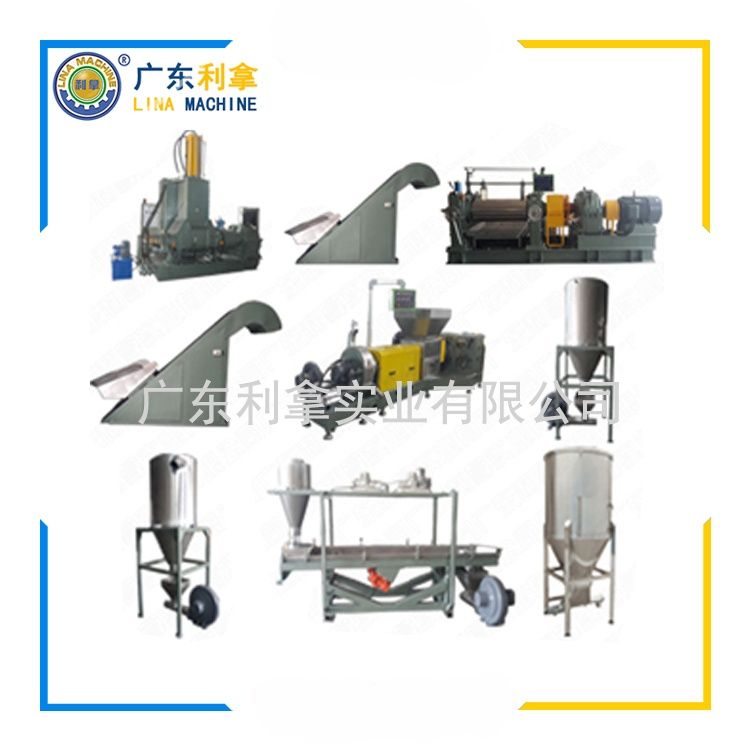
The Role of Water-Circulating Pelletizer in the Production Line
In the realm of industrial production, the efficiency and quality of final products are often determined by the precision and speed with which raw materials are transformed into finished goods. One such critical component in this process is the water-circulating pelletizer, a machine designed to transform granular materials into uniformly shaped pellets. This article will delve into the intricacies of this essential piece of equipment, exploring its role in the production line, operational principles, and the benefits it brings to the manufacturing process.
At the heart of any pelletizer is its ability to efficiently mix and compact granular materials, resulting in a product that maintains its integrity and consistency throughout its intended use. The water-circulating pelletizer operates on the principle of fluidized bed technology, wherein hot air or steam is used to atomize the granular material before it is forced through a series of screens and impactors. This process not only ensures a uniform distribution of the material but also promotes efficient heat transfer and mass transfer, leading to faster and more consistent pellet formation.
One of the key advantages of the water-circulating pelletizer lies in its ability to handle a wide range of materials, from agricultural byproducts to synthetic polymers. Its unique design allows for precise control over the temperature and pressure within the system, ensuring that each pellet produced is of consistent quality and size. This flexibility makes it an ideal choice for a variety of industries, from food processing to pharmaceuticals, where the need for high-quality, uniformly shaped pellets is paramount.
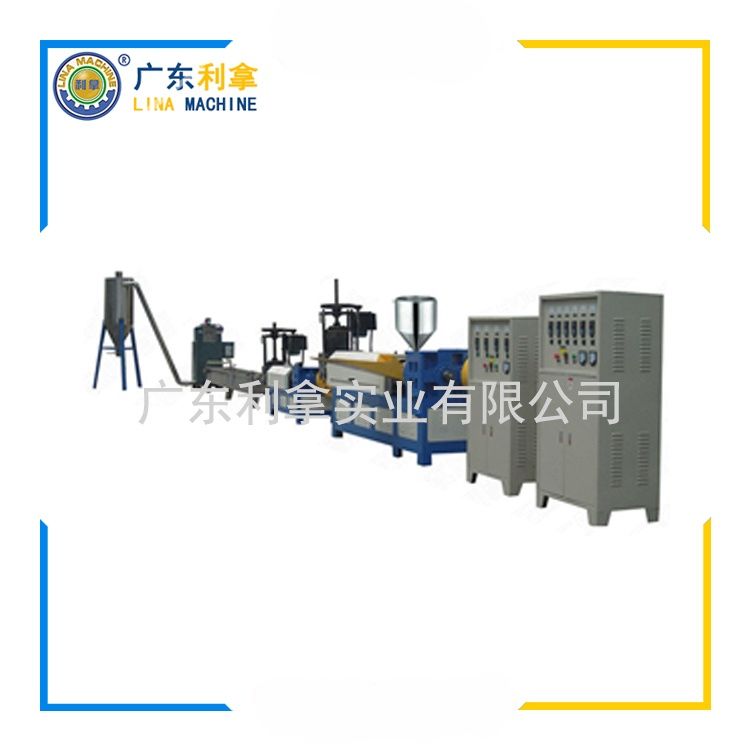
Another significant benefit of the water-circulating pelletizer is its ability to operate at a relatively low energy consumption compared to other granulation methods. This is achieved through the use of advanced control systems that allow for precise adjustments to the operating parameters, such as temperature and pressure, based on the specific requirements of the end product. By minimizing energy waste, manufacturers can significantly reduce their operating costs while still achieving high levels of productivity and product quality.
In conclusion, the water-circulating pelletizer is a vital component of any modern industrial production line, offering unparalleled flexibility and efficiency in the transformation of granular materials into uniformly shaped pellets. Its ability to handle a wide range of materials, coupled with its low energy consumption and high level of consistency, make it an essential tool for manufacturers looking to improve their production processes and drive innovation in the field of granulation technology. As we continue to push the boundaries of what is possible in the world of industrial production, the water-circulating pelletizer stands as a testament to the power of science and engineering in shaping our future.