



Metal Powder Milling Machine: A Revolutionary Tool for Material Processing
In the realm of metal processing, the metal powder milling machine stands as a beacon of innovation. At its core lies a technology that has transformed the way we manufacture and utilize metal powders. This cutting-edge tool is not just a machine; it's a synergistic alliance between science, engineering, and craftsmanship.
At its heart lies the principle of high-energy ball milling, which involves grinding and mixing metal powders at high speeds using a rotating drum or disc. The process is powered by electric motors, which provide the necessary energy to overcome the frictional forces that arise during the grinding process. The result is a homogeneous mixture of finely ground metal particles, with an average particle size ranging from 1 micron to several hundred microns.
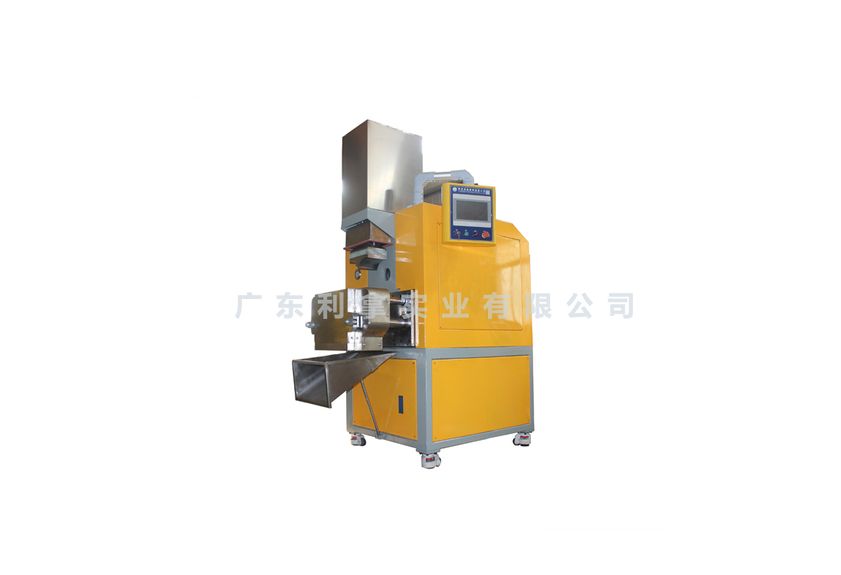
The benefits of this process are numerous. First and foremost, it allows for precise control over the particle size distribution, ensuring consistency in the final product. This is particularly important in applications where uniformity is critical, such as in electronics, aerospace, and automotive industries.
Moreover, the metal powder milling machine offers significant advantages in terms of efficiency and productivity. By reducing the time required for the grinding process, manufacturers can increase their output significantly. Additionally, the use of advanced sensors and control systems ensures that the machine operates at optimal conditions, resulting in longer machine lifespan and reduced maintenance costs.
Another key feature of the metal powder milling machine is its ability to handle a wide range of metal powders, including those with complex chemical compositions and physical properties. This flexibility makes it ideal for the production of customized materials tailored to specific applications.
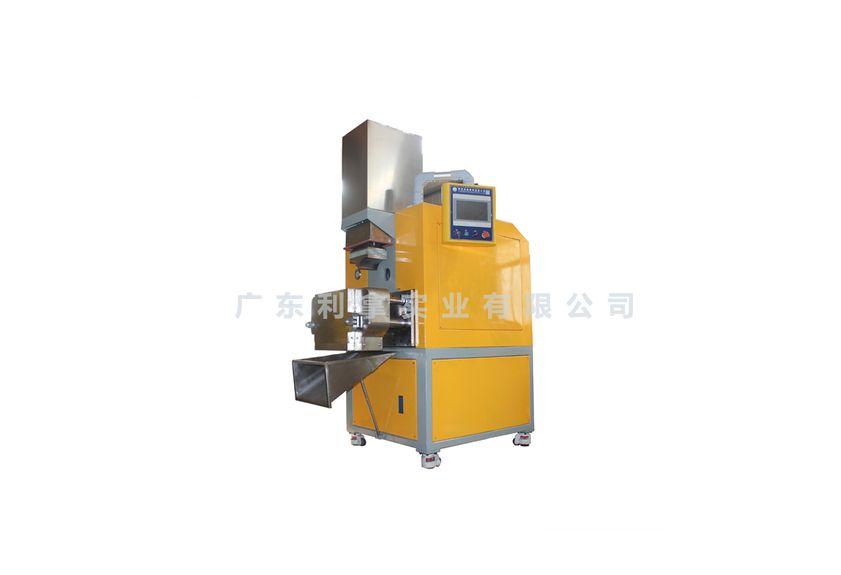
In conclusion, the metal powder milling machine represents a major advancement in the field of metal processing. Its ability to produce finely ground metal powders with consistent particle sizes and optimized efficiency sets it apart from traditional methods. As technology continues to evolve, we can expect this machine to play a more prominent role in shaping the future of materials science and industry.