



The Role of Thin Film Rolling Machines in Manufacturing
Thin film rolling machines are an essential tool in the manufacturing industry, particularly in the production of thin films and coatings. These machines use a combination of mechanical and chemical processes to create uniform and consistent thin films on various substrates.
The first step in the process is to prepare the substrate by cleaning it thoroughly to remove any impurities that could affect the quality of the thin film. This is followed by applying a layer of photoresist or other protective material to ensure that the thin film is properly adhered to the substrate.
Once the substrate is ready, the thin film rolling machine takes over. It uses a series of rollers that apply pressure and heat to the substrate, causing the photoresist or other protective material to be melted and spread evenly across the surface. This creates a thin, uniform layer of material that can be used for various applications, such as electronics, optical devices, and coatings.
The thickness of the thin film can be controlled by adjusting the speed and pressure of the rollers, as well as the temperature of the heating element. This allows for precise control over the final product's properties, such as its electrical conductivity, transparency, and durability.
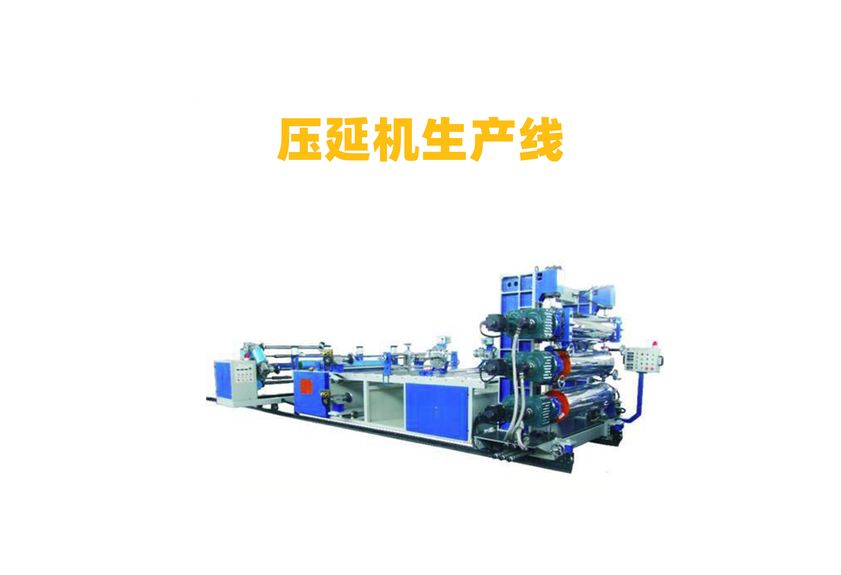
In addition to their role in creating thin films, thin film rolling machines also play a crucial role in the semiconductor industry. They are used to deposit layers of materials such as silicon dioxide and silicon nitride on wafers, which are then processed further to create integrated circuits.
Overall, thin film rolling machines are an essential tool in the manufacturing industry, providing precision and consistency in the creation of thin films and coatings that are used in a wide range of applications.