



The Art of Mixing: An Insight into the World of Mixing Machines
Mixing machines are an integral part of industrial processes, transforming raw materials into finished products. They play a crucial role in various industries such as food processing, pharmaceuticals, and chemical manufacturing. In this article, we will delve into the world of mixing machines, exploring their functions, types, and how they contribute to the production process.
The primary function of a mixing machine is to homogenize or blend two or more substances together. This process ensures that the final product has a consistent quality and consistency throughout its entirety. Mixing machines come in various shapes and sizes, each designed to cater to specific needs. Some are used for small-scale applications, while others are suitable for large-scale operations.
There are several types of mixing machines available in the market, each with its unique features and advantages. One of the most common types is the batch mixer, which is ideal for small-scale production. It allows for easy control over the mixing process and can be easily moved from one location to another. Another popular type is the continuous mixer, which is used in larger-scale operations. It continuously mixes the ingredients until the desired consistency is achieved, ensuring uniformity throughout the product.
In addition to their functionality, mixing machines also play a vital role in maintaining hygiene and safety in industrial settings. By using these machines, manufacturers can reduce the risk of contamination and ensure that their products meet regulatory standards.
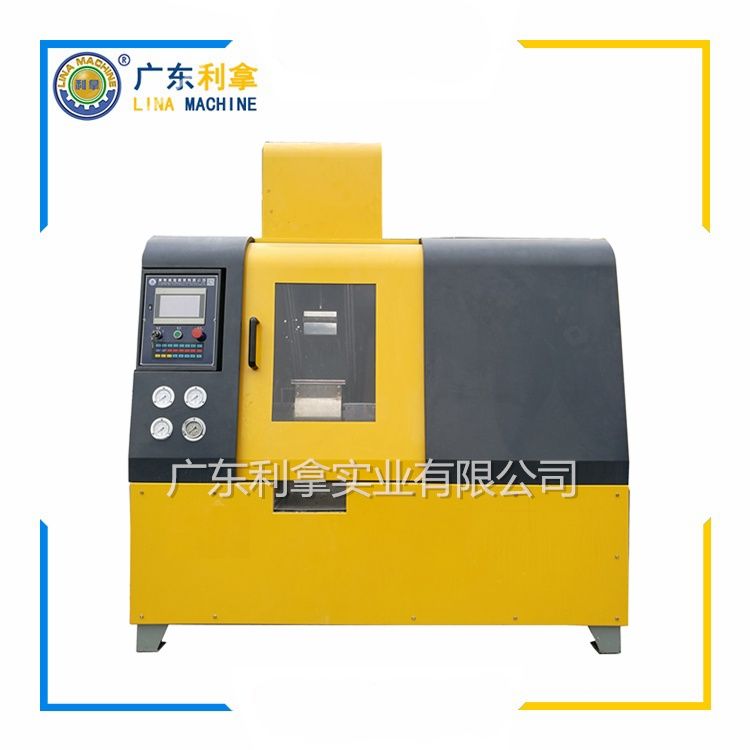
In conclusion, mixing machines are essential tools in the industrial world, enabling manufacturers to produce high-quality products with consistency and efficiency. From batch mixers to continuous mixers, there are various types available to suit different production needs. As technology continues to advance, we can expect to see even more innovative designs and features in the future.