



Understanding the Functionality of Rubber Extrusion Machines
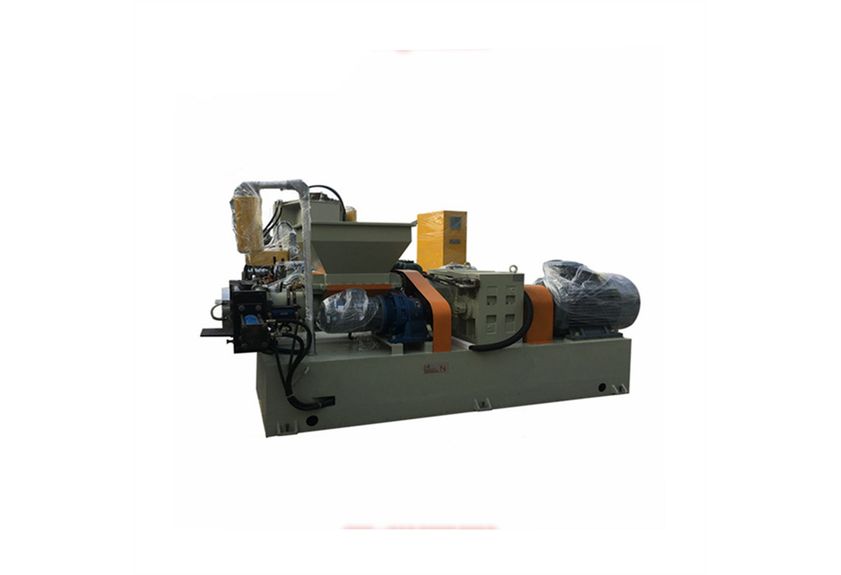
In the realm of industrial machinery, few are as ubiquitous and indispensable as rubber extrusion machines. These sophisticated devices play a critical role in the production process of various rubber products, from tires to hoses and seals. The functionality of these machines is multifaceted, encompassing aspects such as material handling, temperature control, and precise molding.
One of the most significant functions of a rubber extruder is its ability to handle a wide range of materials, including natural and synthetic rubbers, plastics, and even metals. This flexibility allows for the creation of a diverse array of products that meet specific performance requirements. For example, a tire manufacturer might use an extruder to produce high-performance tires with enhanced tread patterns or reinforced sidewalls.
Temperature control is another critical aspect of rubber extruder operation. The machine must be able to maintain consistent temperatures throughout the entire process, from feeding the raw materials to shaping them into finished products. This ensures that the rubber is processed optimally and yields high-quality results.
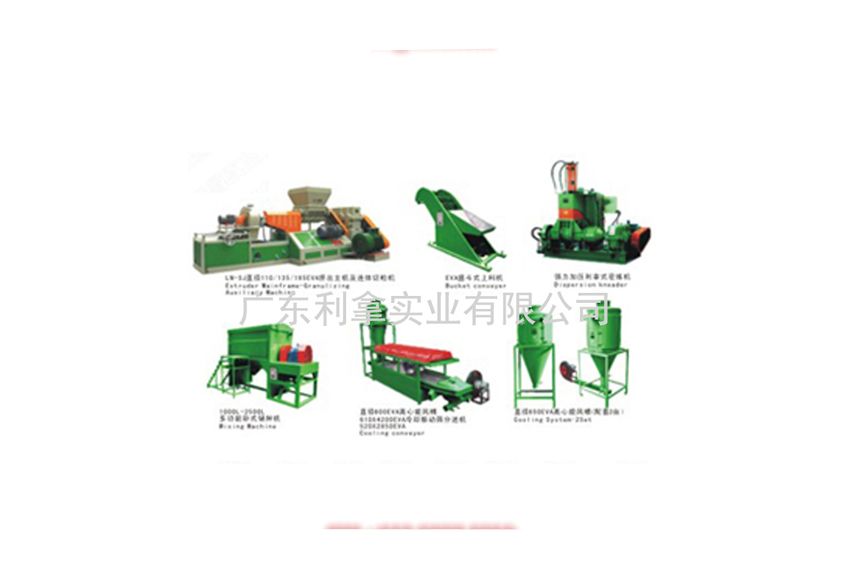
Finally, precision molding is essential for many rubber products, particularly those used in automotive and aerospace applications. A rubber extruder can produce parts with intricate geometries and tight tolerances, allowing for seamless integration into complex systems.
1. Rubber Extrusion Machines
2. Industrial Machinery
3. Material Handling
4. Temperature Control
5. Precision Molding
This article provides a comprehensive overview of the functionality of rubber extruder machines, highlighting their ability to handle a wide range of materials, maintain consistent temperatures, and produce parts with precision molding capabilities. By understanding the key features of these machines, manufacturers can optimize their production processes and achieve higher levels of efficiency and quality.