



The Double Roll Mill: A Detailed Guide to Its Operation and Applications
The double roll mill is a crucial piece of equipment in the rubber and plastic industry, used for the production of vulcanized elastomers. This machine is designed to mix, knead, and extrude materials, which are then processed into finished products. In this article, we will explore the basic principles of operation, its components, applications, and maintenance tips.
1. Principle of Operation:
The double roll mill operates by using two rotating rollers that come into contact with each other. As the material is fed into the gap between the rollers, it undergoes compression and shearing forces, causing the molecules to bond together. The resulting product is then cooled and solidified, ready for further processing or use.
2. Components:
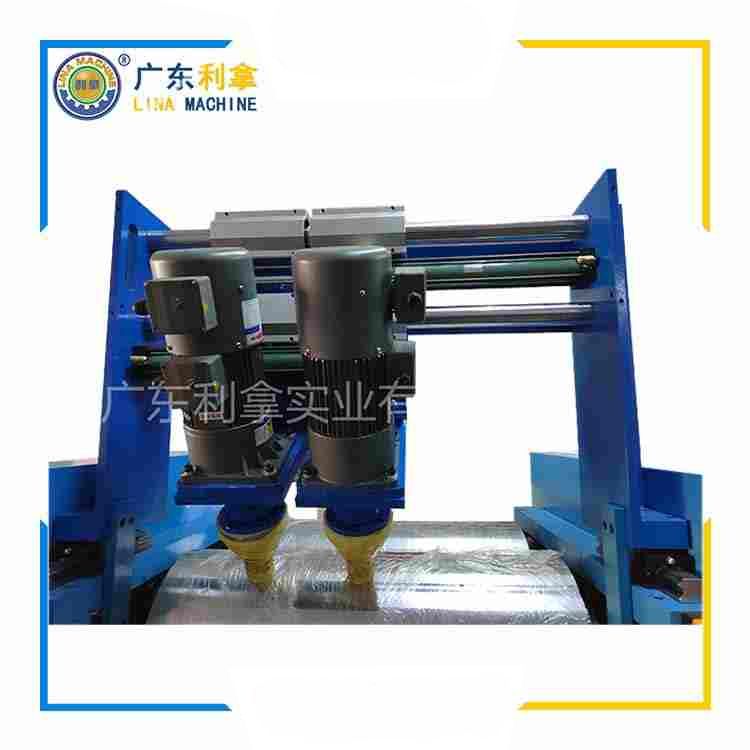
A typical double roll mill consists of several key components:
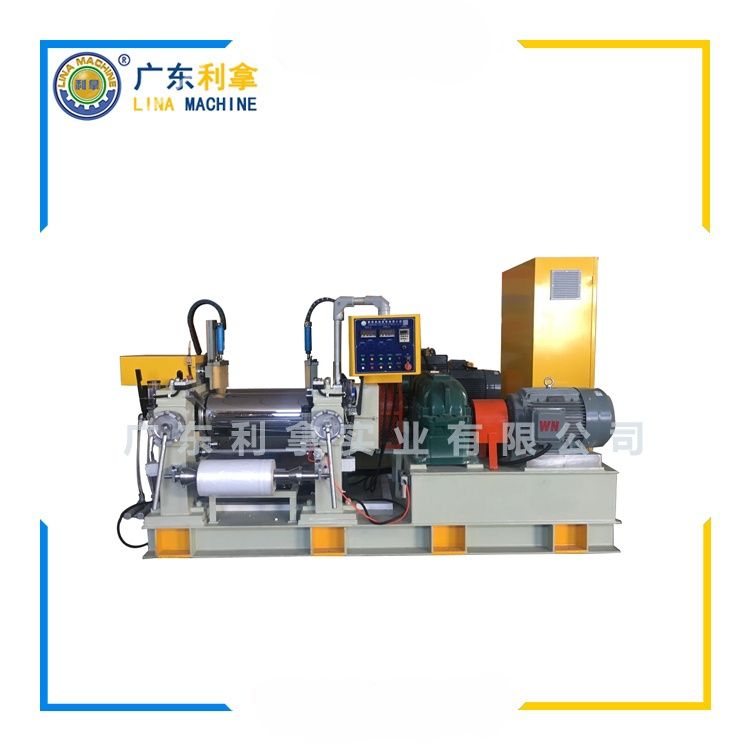
- Rollers: These are the main moving parts of the mill, responsible for the mixing and kneading action. They are usually made of high-carbon steel and are designed to withstand the high temperatures and pressures generated during the process.
- Feed system: This includes hopper, screw conveyor, and feeder, which transport the raw materials to the rollers. The hopper is typically made of stainless steel to prevent corrosion and ensure a smooth feeding process.
- Cooling system: This is essential for maintaining the consistency and quality of the final product. It may include cooling coils, water sprays, or air blowers depending on the specific application.
- Extrusion system: This is responsible for shaping the vulcanized elastomer into various shapes and sizes. It may include die plates, dies, and extrusion screws, all of which are designed to withstand the high temperatures and pressures generated during the process.
3. Applications:
The double roll mill is widely used in the rubber and plastic industries for the production of various products, including tires, hoses, gloves, and toys. It can also be used for the production of natural rubber, latex, and other elastomeric materials. Additionally, it is often used in conjunction with other machinery, such as vulcanization ovens and compression molds, to achieve optimal results in the production process.
4. Maintenance Tips:
To ensure the longevity and efficiency of your double roll mill, it is important to perform regular maintenance tasks. Some key maintenance tips include:
- Regular cleaning: Remove any debris or foreign matter from the rollers and other moving parts to prevent blockages and damage.
- Lubrication: Apply appropriate lubricants to the rollers and other moving parts to reduce friction and extend their lifespan.
- Inspections: Perform regular inspections of the cooling system, extrusion system, and other components to identify any potential issues before they become major problems.
- Training: Ensure that all operators and maintenance personnel receive proper training on how to operate and maintain the double roll mill safely and effectively.
- Double roll mill
- Rubber manufacturing
- Vulcanization process
- Machinery maintenance
- Quality control
- Industry applications
The Double Roll Mill is a critical component in the rubber and plastic manufacturing industry, used for the production of vulcanized elastomers. With its ability to mix, knead, and extrude materials, it plays a vital role in the vulcanization process. By providing detailed information on its operation, components, applications, and maintenance tips, this article aims to help readers understand the importance of this machine in the industry and how to optimize its performance.