



The Advantages and Applications of Powder Metallurgy Vacuum Molding Machine
Powder metallurgy (PM) is a process that involves the compaction of powdered metal or alloy into a dense, homogeneous structure. This process has gained significant attention in the automotive, aerospace, and electronics industries due to its ability to produce high-quality parts with minimal defects. One of the key tools used in PM processes is the vacuum molding machine. In this article, we will explore the advantages and applications of vacuum molding machines in PM processes.
One of the main benefits of using vacuum molding machines in PM processes is their ability to achieve high densification rates. Unlike traditional hot isostatic pressing (HIP) processes, which require high temperatures and pressures, vacuum molding machines can produce parts with densities up to 95% higher than those achieved through HIP. This increased density allows for better mechanical properties, such as strength, stiffness, and wear resistance, which are critical for many applications.
Another advantage of vacuum molding machines is their ability to produce complex shapes with minimal defects. Unlike casting processes, which often result in rough surfaces and internal voids, vacuum molding machines can produce parts with smooth surfaces and minimal defects. This makes them ideal for producing components with intricate geometries, such as gears, bearings, and valves.
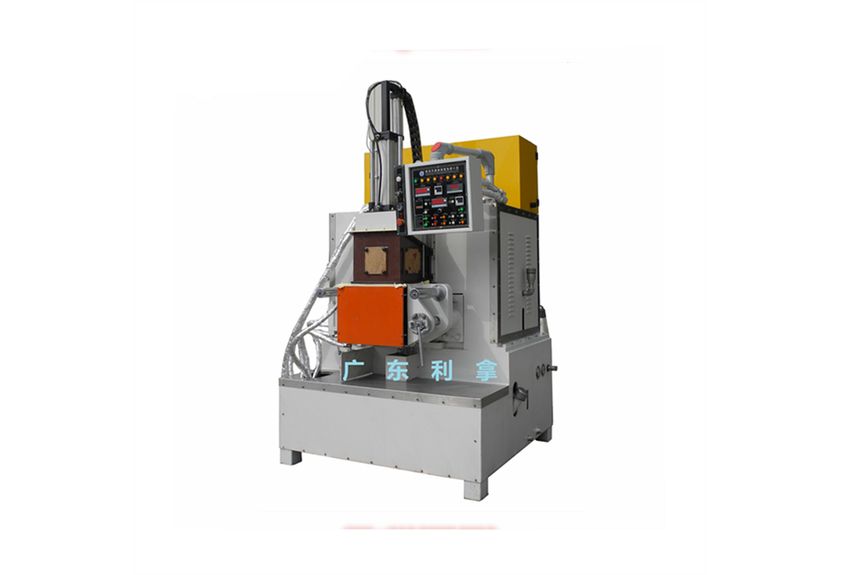
In addition to their high densification rates and ability to produce complex shapes, vacuum molding machines also have several other advantages. For example, they can be easily automated, allowing for consistent production without the need for skilled labor. They can also be used to produce parts from a wide range of materials, including metals, ceramics, and composites.
Applications of vacuum molding machines in PM processes include automotive engine components, aerospace propellers, and electronics components such as capacitors and transformers. These applications require parts with high density, low defects, and good mechanical properties, which are all achieved through the use of vacuum molding machines.
In conclusion, vacuum molding machines are an essential tool in the PM process due to their ability to achieve high densification rates, produce complex shapes with minimal defects, and be easily automated. Their applications span a wide range of industries, from automotive to aerospace and electronics, making them a valuable asset for any organization looking to improve their product quality and efficiency.