



The Art of Plastic and Rubber Compounding in the Production Line
The production line for plastic and rubber compounding is a complex process that involves the blending of various materials to create a homogeneous mixture. This process is essential in the manufacturing industry, as it allows for the creation of products with specific properties such as strength, flexibility, and durability. In this article, we will explore the different stages of the plastic and rubber compounding production line and how they contribute to the overall success of the process.
The first stage of the production line is the material preparation. This stage involves the collection and cleaning of raw materials such as plastics and rubbers. The materials are then weighed and mixed together using specialized equipment to ensure uniform distribution of the ingredients. This stage is crucial as it sets the foundation for the subsequent steps in the production line.
The second stage is the compounding process. This stage involves the mixing of the raw materials to form a homogeneous mixture. The compounding process is done using specialized equipment such as extruders and mixers. These machines use heat and pressure to melt the plastics and rubbers, allowing them to blend together seamlessly. The temperature and pressure levels are carefully controlled to ensure the desired properties are achieved in the final product.
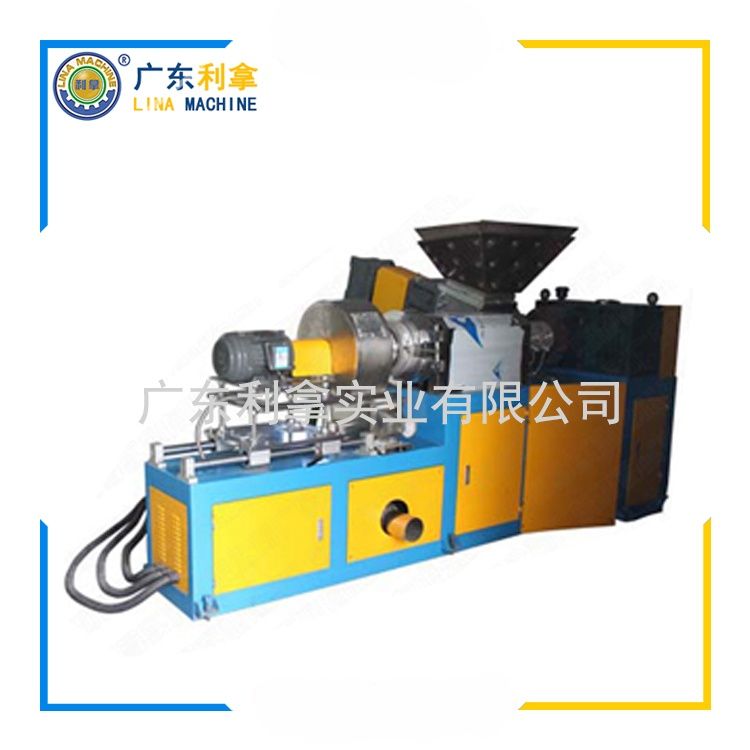
The third stage is the shaping process. This stage involves the molding of the compounded material into desired shapes. The molds used in this stage are designed to hold the compounded material while it cools and solidifies. The shaping process is critical in creating products with precise dimensions and features.
The fourth stage is the cooling and drying process. After the shaping process, the molded product is removed from the mold and placed on a cooling plate. The cooling process helps to remove any residual heat and prevent warping or cracking. Once cooled, the product is dried to remove any moisture and improve its appearance.
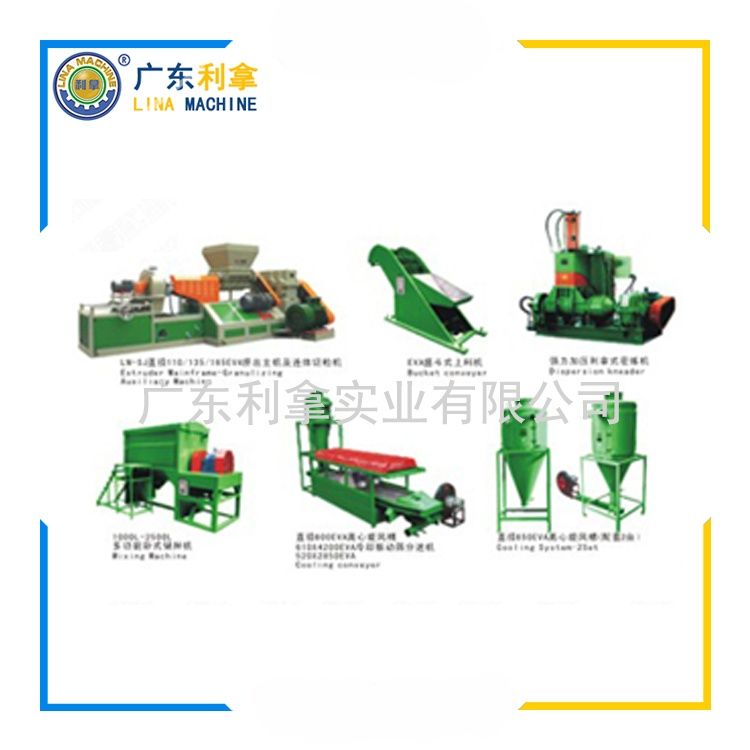
The final stage is the packaging process. The dried product is then packaged and shipped to its destination. The packaging process is important in protecting the product during transportation and storage. It also ensures that the product meets regulatory standards and complies with consumer expectations.
1. Plastic and Rubber Compounding
2. Production Line
3. Material Preparation
4. Compounding Process
5. Shaping Process
6. Cooling and Drying Process
7. Packaging Process
8. Regulatory Standards
9. Consumer Expectations
This article provides an in-depth look at the plastic and rubber compounding production line, highlighting the various stages involved in creating high-quality products. From material preparation to packaging, each stage plays a crucial role in ensuring the success of the process. By understanding these stages, businesses can optimize their production processes and meet the demands of consumers looking for reliable and durable products.