



The Ultimate Guide to High-Speed Mixers
High-speed mixers are essential tools in the food and beverage industry, allowing for the efficient and accurate mixing of ingredients. These machines work by rapidly agitating and blending the contents inside, resulting in a homogeneous mixture that is easy to handle and consistent in quality. In this guide, we will explore the different types of high-speed mixers available, their features, and how they can benefit your production process.
Types of High-Speed Mixers
There are several types of high-speed mixers, each with its unique capabilities and applications. Here are some of the most common types:
1. Blenders: Blenders are designed to mix ingredients quickly and evenly, without any significant heat generation. They are ideal for mixing liquids, powders, and solids together.
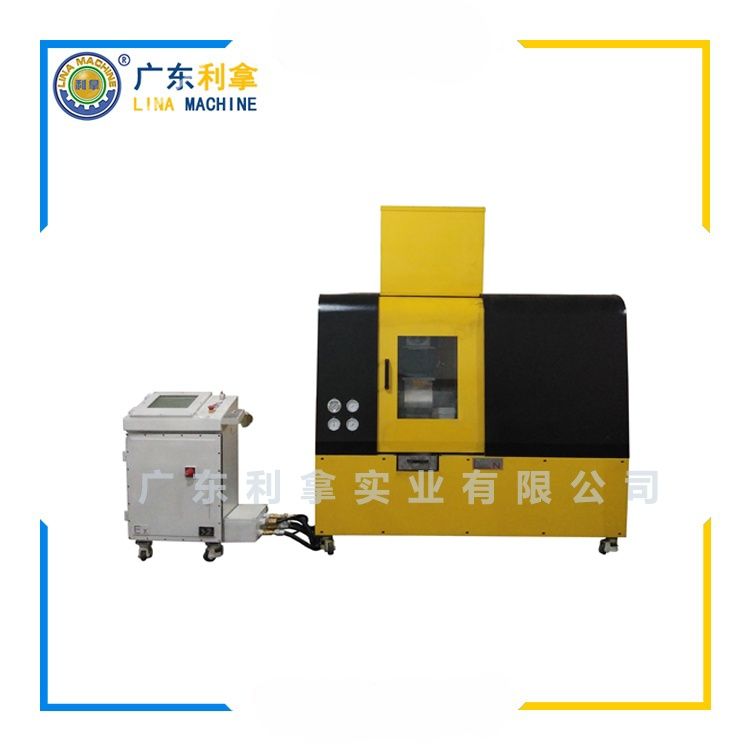
2. Homogenizers: Homogenizers are used for emulsifying or homogenizing liquids, which means creating a stable emulsion or dispersion. They are commonly used in the food industry for making sauces, dressings, and other sauce-based products.
3. Kneaders: Kneaders are specialized for mixing doughs and batters, using high-speed rotation to create a smooth texture. They are commonly used in bakeries and pastry shops for preparing breads, cakes, and other baked goods.
4. Turbines: Turbines are designed to mix solids and liquids together, using a rotating blade to break down the ingredients. They are commonly used in the food industry for grinding nuts, seeds, and spices.
5. Stirrers: Stirrers are versatile machines that can be used for mixing both liquids and solids. They are commonly used in the pharmaceutical industry for mixing powders and liquids.
Features of High-Speed Mixers
When selecting a high-speed mixer, it's important to consider the following features:
1. Speed: The speed of the mixer determines how quickly the ingredients will be mixed together. Faster speeds mean faster mixing times, but they also require more energy.
2. Capacity: The capacity of the mixer determines how much material it can handle at once. Larger machines can handle larger batches of ingredients, while smaller machines are better suited for small-scale production.
3. Power: The power of the mixer determines how much energy it can generate. Higher power means more energy, which can result in faster mixing times and more efficient use of resources.
4. Safety features: Safety features such as overload protection, automatic shutoff, and childproof design are important considerations when selecting a mixer.
Benefits of High-Speed Mixers
High-speed mixers have numerous benefits for the food and beverage industry:
1. Efficiency: High-speed mixers can significantly reduce the time required to mix ingredients, leading to increased productivity and efficiency.
2. Consistency: By ensuring a consistent mix of ingredients, high-speed mixers can help produce consistent quality products, which is crucial for maintaining brand reputation and customer satisfaction.
3. Quality control: High-speed mixers can help ensure that ingredients are properly mixed before being used in production, reducing the risk of contamination and improving product quality.
4. Cost savings: By reducing the time and effort required to mix ingredients, high-speed mixers can help save on labor costs and improve overall profitability.
In conclusion, high-speed mixers are essential tools for the food and beverage industry, providing efficient and accurate mixing of ingredients. By understanding the different types of high-speed mixers available and considering their features and benefits, businesses can make informed decisions about which machine is best suited for their production needs.