



Experimental Flat-Bed Vulcanizers: A Comprehensive Guide
Flat-bed vulcanization is a crucial process in the rubber industry, whereby rubber compounds are subjected to heat and pressure to produce vulcanized rubber sheets. The flat-bed vulcanizer is an essential piece of equipment used in this process. In this article, we will explore the characteristics, applications, and maintenance of experimental flat-bed vulcanizers.
Characteristics of Experimental Flat-Bed Vulcanizers:
1. Size and Capacity: Experimental flat-bed vulcanizers come in various sizes and capacities, ranging from small laboratory units to large industrial machines. These units are designed to handle a wide range of rubber compounds and production volumes.
2. Heat Source: Experimental flat-bed vulcanizers use different types of heating systems, including electric resistance heaters, gas burners, and steam generators. The choice of heating source depends on the specific requirements of the rubber compound and the desired temperature profile during vulcanization.
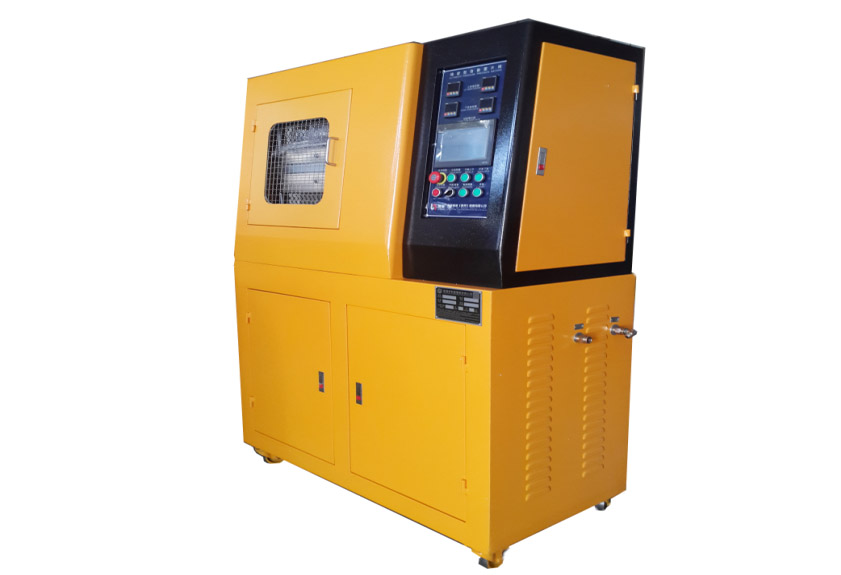
3. Pressure Control: The pressure applied during vulcanization is critical for achieving optimal results. Experimental flat-bed vulcanizers typically have adjustable pressure control systems that allow for precise regulation of pressure levels.
4. Cooling System: To prevent overheating and maintain consistent vulcanization conditions, many experimental flat-bed vulcanizers come equipped with a cooling system that can be manually or automatically controlled.
Applications of Experimental Flat-Bed Vulcanizers:
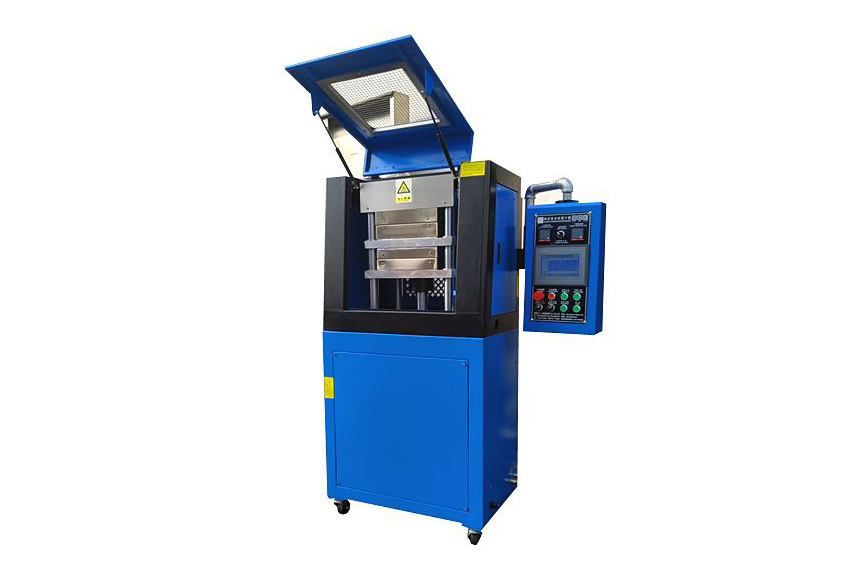
1. Rubber Manufacturing: Experimental flat-bed vulcanizers are widely used in the manufacturing of various rubber products, such as tires, hoses, gloves, and shoes. They are essential for producing high-quality vulcanized rubber sheets that meet the required standards and specifications.
2. Research and Development: Experimental flat-bed vulcanizers are also used in research and development settings to test new rubber compounds and optimize vulcanization processes. This allows for the identification of potential issues and improvements before they become commercially available.
3. Quality Control: In the rubber industry, quality control is crucial for ensuring product consistency and reliability. Experimental flat-bed vulcanizers are used in quality control labs to monitor and validate the vulcanization process and evaluate the performance of the final product.
Maintenance of Experimental Flat-Bed Vulcanizers:
1. Regular Maintenance: Experimental flat-bed vulcanizers require regular maintenance to ensure their optimal performance and longevity. This includes cleaning the heating elements, inspecting the pressure control system, and checking the cooling system for proper functioning.
2. Replacement Parts: Over time, certain parts of the vulcanizer may wear out or become damaged. It is important to replace these parts promptly to avoid compromising the overall functionality and safety of the machine.
3. Training and Education: Proper training and education are essential for maintaining effective use of experimental flat-bed vulcanizers. Operators should be provided with comprehensive training on how to operate the machine, troubleshoot common issues, and follow safety guidelines.
1. Experimental Flat-Bed Vulcanizers
2. Rubber Manufacturing
3. Research and Development
4. Quality Control
5. Maintenance
This article provides a comprehensive guide on the characteristics, applications, and maintenance of experimental flat-bed vulcanizers, which are essential tools in the rubber industry for producing high-quality vulcanized rubber sheets. By understanding the key features and best practices for using these machines, manufacturers and researchers can optimize their production processes and ensure consistent quality output. Additionally, regular maintenance and proper training are crucial for maintaining the effectiveness and longevity of these valuable tools.