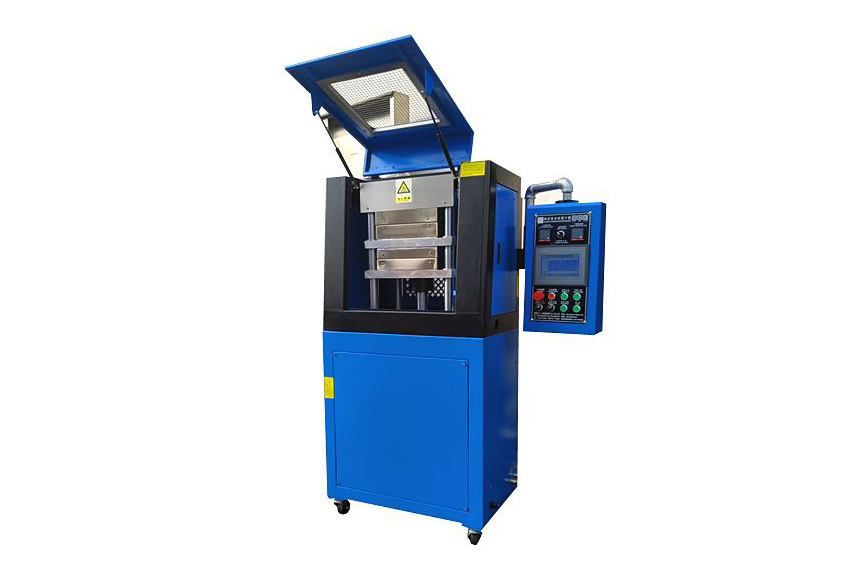
The Role of Experimental Flat Pressing Machines in the Manufacturing Industry
Flat pressing machines are an essential tool in the manufacturing industry, particularly in the automotive and aerospace sectors. These machines are designed to press metal sheets into a uniform thickness, creating parts such as engine blocks, gears, and other critical components. The use of experimental flat pressing machines allows for precise control over the process, enabling manufacturers to produce high-quality products with consistent results.
One of the key benefits of using experimental flat pressing machines is their ability to simulate real-world conditions. By controlling variables such as temperature, pressure, and material type, manufacturers can test different processes and optimize their production methods. This not only reduces waste but also ensures that the final product meets stringent quality standards.
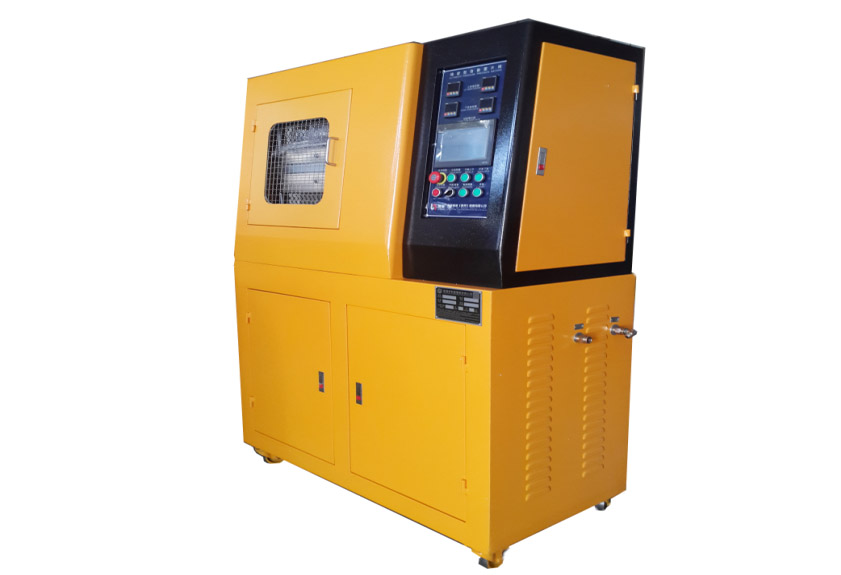
Another advantage of these machines is their flexibility. They can be used to create a wide range of parts, from small components to large structures. This makes them ideal for companies that need to produce a variety of products quickly and efficiently. Additionally, the ability to adjust settings and parameters allows for customization of the machine's performance, further enhancing its value to manufacturers.
In conclusion, experimental flat pressing machines play a crucial role in the manufacturing industry by providing precision and flexibility. Their ability to simulate real-world conditions and customize settings make them an essential tool for any manufacturer looking to produce high-quality products. As technology continues to advance, we can expect to see even more innovative designs and features on these machines, further improving their effectiveness and efficiency.