



The Role of the Mixing Machine in Chemical Processing
The mixing machine is an essential tool in the chemical industry, used to combine and homogenize various materials. It plays a crucial role in the production of pharmaceuticals, cosmetics, food additives, and other products that require precise blending. The mixing machine's efficiency and accuracy are critical factors in achieving the desired results, which can significantly impact the quality and performance of the final product. In this article, we will explore the different types of mixing machines, their applications, and some tips for using them effectively.
Types of Mixing Machines:
There are several types of mixing machines available in the market, each with its unique features and capabilities. Here are some of the most common types:
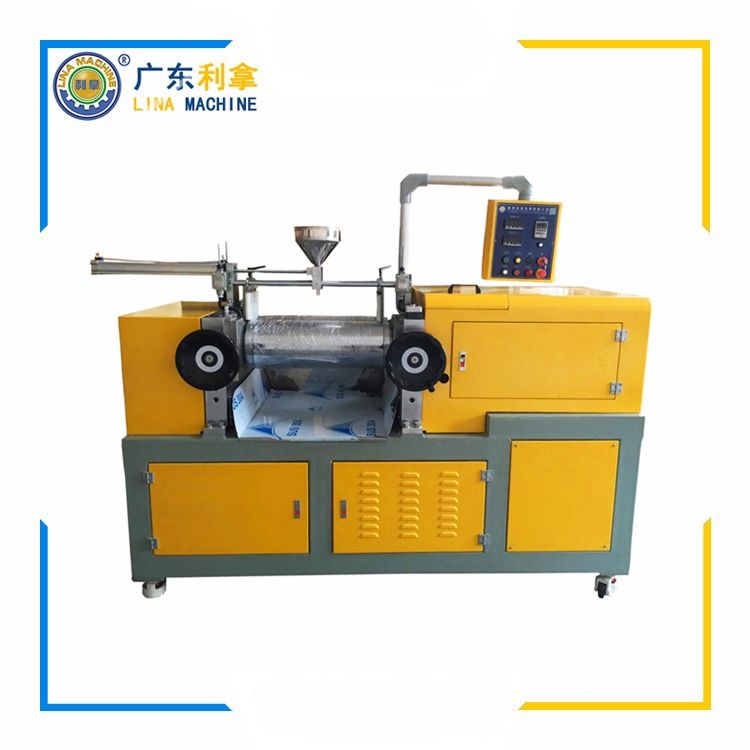
1. Rotary Mixers: These machines use rotating blades to mix the ingredients. They are commonly used for mixing powders and granular materials.
2. High-Speed Stirrers: These machines use high-speed impellers to mix the ingredients. They are ideal for mixing liquids and solids, as well as for homogenizing emulsions.
3. Ultrasonic Mixers: These machines use ultrasonic vibrations to break down the ingredients into smaller particles, resulting in a more even distribution of the mixture.
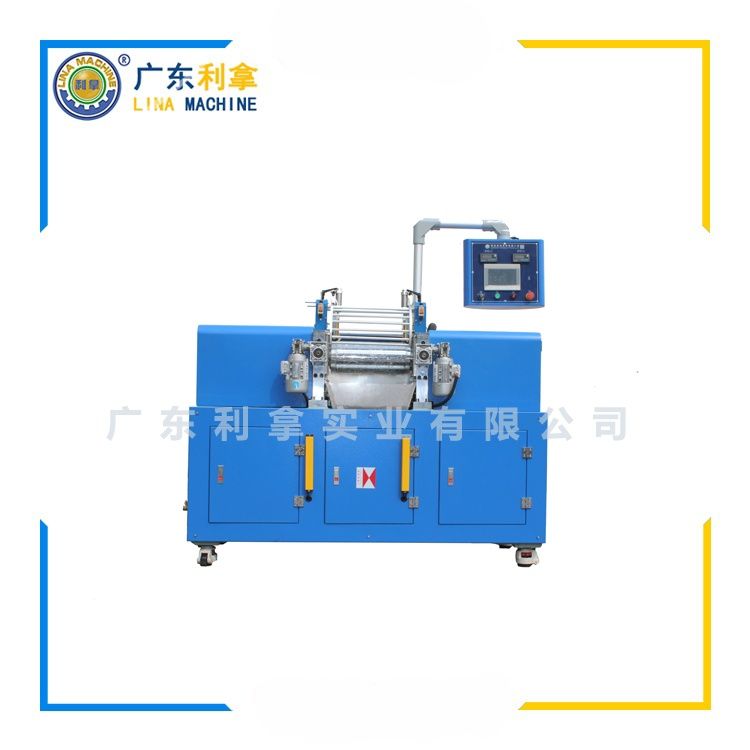
4. Ball Mills: These machines use grinding balls to crush and grind the ingredients, resulting in a finer texture.
Applications:
The mixing machine is widely used in various industries, including pharmaceuticals, cosmetics, food processing, and biotechnology. Here are some examples of its applications:
1. Pharmaceuticals: The mixing machine is used to prepare drugs by combining active ingredients, excipients, and other components. It ensures that the ingredients are mixed thoroughly and uniformly, resulting in a consistent drug formulation.
2. Cosmetics: The mixing machine is used to blend and mix ingredients such as pigments, fragrances, and preservatives. It helps to achieve a smooth and even texture of the final product.
3. Food Processing: The mixing machine is used in the production of various food products, such as sauces, dressings, and snacks. It ensures that the ingredients are mixed thoroughly and evenly, resulting in a delicious and consistent product.
4. Biotechnology: The mixing machine is used in the production of biopharmaceuticals, such as vaccines and biologics. It ensures that the ingredients are mixed thoroughly and uniformly, resulting in a consistent product with optimal efficacy and safety.
Tips for Using Mixing Machines Effectively:
To ensure that the mixing machine is used effectively, it is important to follow some tips:
1. Choose the right machine for your needs: Different mixing machines have different features and capabilities, so it is important to choose the right one based on your specific application.
2. Follow the manufacturer's instructions: Always read the manual or user guide provided with the mixing machine and follow the manufacturer's instructions carefully. This will help you understand how to operate the machine and avoid any errors or accidents.
3. Maintain the machine regularly: Regular maintenance and cleaning of the mixing machine will ensure that it operates efficiently and lasts longer. Check the manufacturer's guidelines for regular maintenance and cleaning procedures.
4. Use the right tools: Proper tools and accessories are essential for operating the mixing machine effectively. Make sure you have all the necessary tools and accessories before starting the process.
1. Mixing Machine
2. Chemical Processing
3. Rotary Mixers
4. High-Speed Stirrers
5. Ultrasonic Mixers
6. Ball Mills
7. Pharmaceuticals
8. Cosmetics
9. Food Processing
10. Biotechnology
The mixing machine is an essential tool in the chemical industry, used to combine and homogenize various materials. It plays a crucial role in the production of pharmaceuticals, cosmetics, food additives, and other products that require precise blending. The mixing machine's efficiency and accuracy are critical factors in achieving the desired results, which can significantly impact the quality and performance of the final product. There are several types of mixing machines available in the market, each with its unique features and capabilities. Here are some examples of their applications: pharmaceuticals, cosmetics, food processing, and biotechnology. To ensure that the mixing machine is used effectively, it is important to follow