



The Art of Rubber Tire Extrusion: An Insight into the Open-Roller Process
The open-roller process is a crucial step in the production of rubber tires, as it allows for the precise control and manipulation of the raw materials. This method involves heating and mixing the rubber compound with various additives such as carbon black, fillers, and vulcanization agents to create a homogeneous mixture that can be extruded onto a mold. The open-roller process is essential for producing high-quality tires that meet stringent standards for durability, performance, and safety. In this article, we will explore the intricacies of the open-roller process and its impact on the overall quality of rubber tires.
One of the key features of the open-roller process is its ability to precisely control the temperature and pressure during the mixing and extrusion stages. This ensures that the rubber compound is evenly heated and that the additives are fully incorporated into the mix. The use of advanced sensors and control systems allows for the monitoring of these parameters throughout the process, allowing for adjustments as needed to optimize the final product.
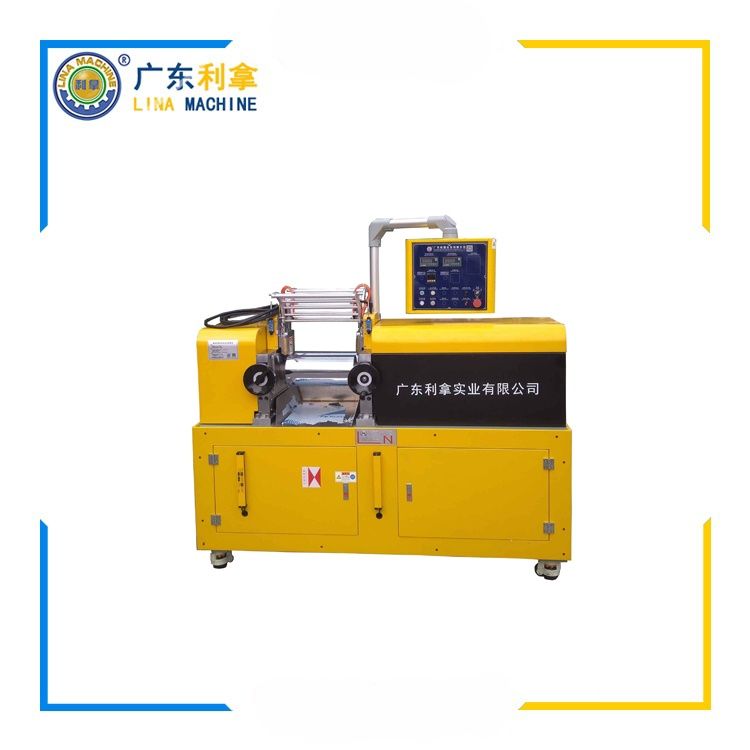
Another important aspect of the open-roller process is the use of specialized rollers that are designed to handle the high temperatures and pressures involved in the extrusion stage. These rollers are made from materials that are resistant to wear and tear, ensuring that they can withstand the intense heat generated during the process. Additionally, the rollers are equipped with cooling systems that help to maintain a consistent temperature throughout the process, preventing any potential damage to the rubber compound or the equipment.
The open-roller process also involves the use of specialized tools and equipment, such as mixers, extruders, and molds. These tools are designed to work together seamlessly to produce high-quality tires that meet specific requirements. For example, the mixers are used to blend the rubber compound with the additives, while the extruders are responsible for shaping the mixture into the desired shape. The molds are used to form the final product, which is then cured and tested to ensure its quality and safety.

In conclusion, the open-roller process is a critical component of the rubber tire manufacturing process. By carefully controlling the temperature, pressure, and other variables involved in the process, manufacturers can produce high-quality tires that meet stringent standards for durability, performance, and safety. As technology continues to advance, we can expect to see even more sophisticated methods of processing rubber compounds in the future, further enhancing the quality and performance of rubber tires.