



Understanding the Forced Feed Extruder
In the realm of industrial manufacturing, the forced feed extruder stands as a crucial tool for material processing. This machine is designed to ensure uniform and consistent feeding of materials into the extrusion process, thereby producing high-quality products with consistent properties.
At its core, the forced feed extruder consists of several components, including a hopper, screw, barrel, die, and cooling system. The hopper collects the raw materials, which are then transported to the screw by the motorized drive. As the screw rotates, it forces the materials through the barrel, where they undergo compression and heat. The resulting hot, viscous melt is then ejected through the die, where it solidifies into a finished product.
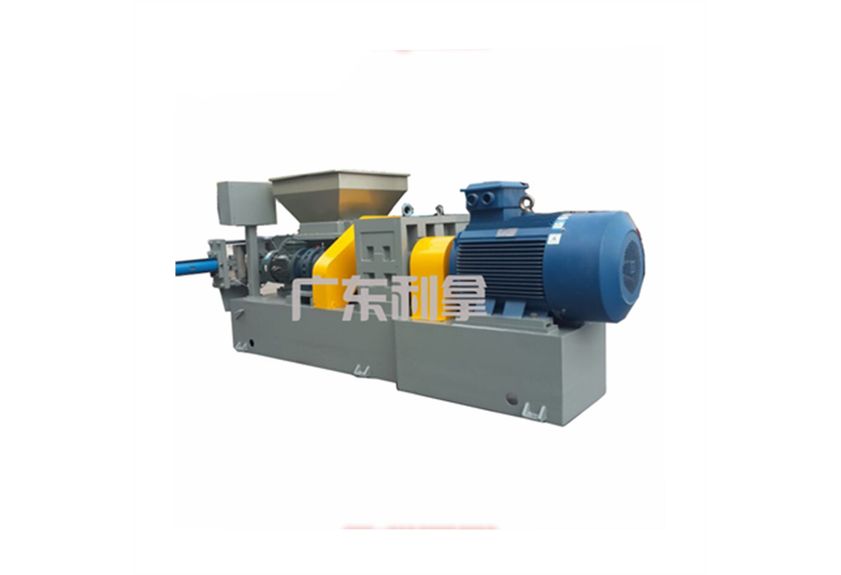
One of the key benefits of using a forced feed extruder is its ability to produce consistent and uniform products. By controlling the speed and temperature of the screw, the operator can precisely adjust the consistency of the extruded material. Additionally, the use of advanced sensors and control systems allows for real-time monitoring and adjustment of the process parameters, ensuring that the final product meets the desired quality standards.
Another advantage of the forced feed extruder is its flexibility in terms of material types and applications. It can be used to process a wide range of materials, including plastics, metals, and composites. Furthermore, the extruder's modular design allows for easy integration into various production lines, making it an ideal choice for businesses looking to expand their product range or upgrade their existing equipment.
However, like any other piece of machinery, the forced feed extruder requires proper maintenance and care to ensure optimal performance. This includes regular cleaning of the internal components to remove any debris or impurities that may affect the quality of the extruded material. Additionally, regular inspections and adjustments to the operating parameters can help prevent downtime due to wear and tear.
In conclusion, the forced feed extruder is a powerful tool for industrial manufacturing that can produce high-quality products with consistent properties. Its ability to control the consistency and quality of the extruded material, combined with its flexibility in terms of material types and applications, makes it an essential component in many modern manufacturing processes. By following proper maintenance procedures, businesses can ensure that their forced feed extruders continue to deliver top-notch results for years to come.