



The Renewable Resources and Waste Plastic Extruder
The world is facing a growing challenge of waste management, and one of the most pressing issues is the disposal of plastic waste. In recent years, there has been a surge in demand for renewable resources, and one of the most promising solutions is the use of recycled plastics. This article will explore the concept of reclaiming plastic waste into usable materials through the process of extruding and granulating it.
Recycling plastic waste is not just about reducing the amount of plastic litter on the ground, but also about preserving our natural resources. By converting plastic waste into new products, we can reduce the need for virgin petroleum-based plastics, which are non-renewable and contribute to climate change. Additionally, recycling plastics can help to create jobs in developing countries, where many people lack access to basic sanitation facilities.
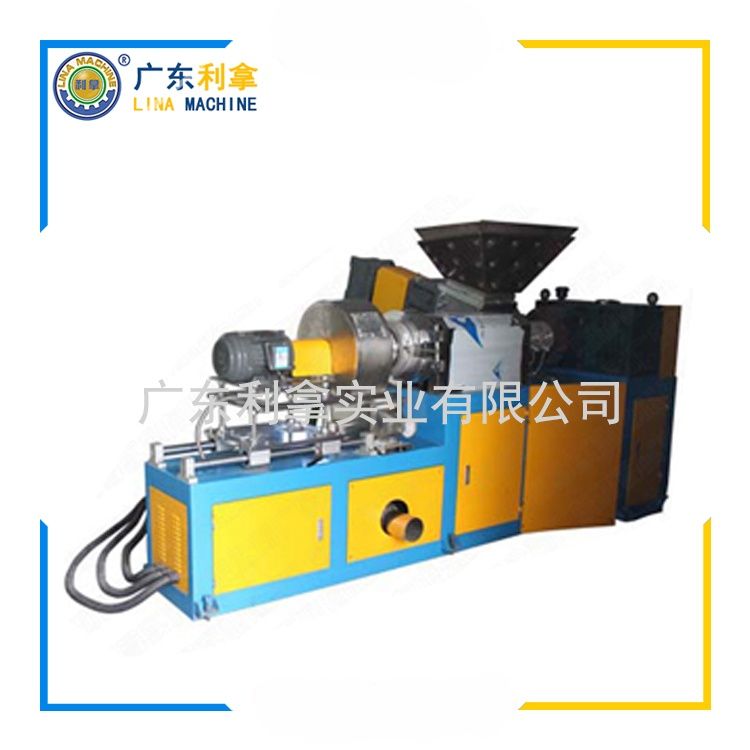
One of the key technologies used in recycling plastic waste is the extruder. An extruder is a machine that converts raw materials into finished products. In the case of plastic waste, the extruder takes plastic scraps, such as bottles, bags, and other discarded items, and melts them down into a homogeneous mass. This melted plastic is then forced through a die, which creates a continuous filament or thread of material.
Once the plastic is formed into a filament, it needs to be granulated before it can be used in various applications. Granulation involves breaking the filament into small pellets or beads, which are easier to handle and transport. The granulation process is crucial in ensuring that the plastic is consistent in size and shape, which is essential for its use in various industries, such as construction, agriculture, and packaging.
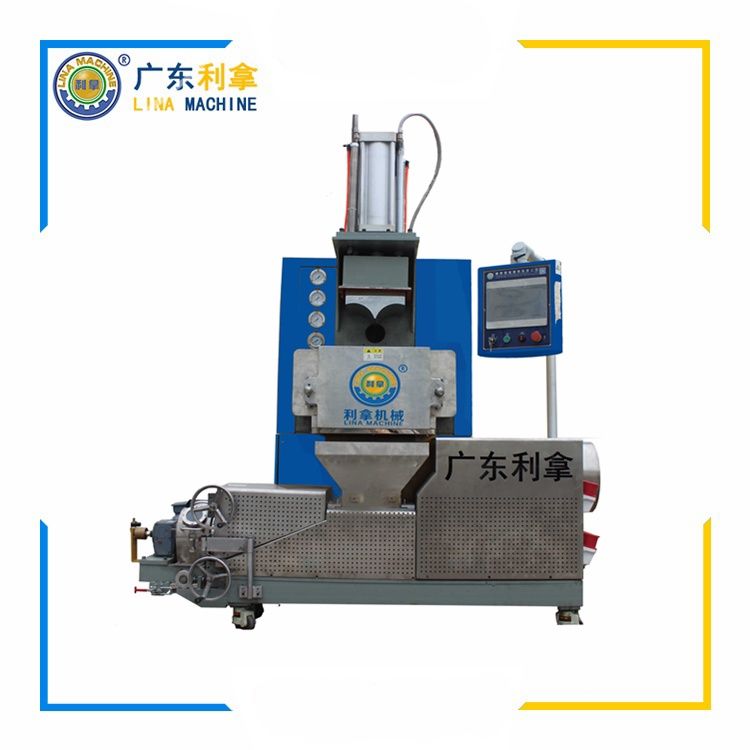
In addition to extruders and granulator machines, there are several other technologies involved in recycling plastic waste. For example, some companies use advanced sorting systems to separate different types of plastic waste based on their molecular structure and properties. This helps to ensure that only the most suitable plastics are processed and converted into new products.
Another important aspect of recycling plastic waste is the energy efficiency of the process. While the initial investment in equipment may be high, the long-term benefits of reducing waste and conserving resources make it worthwhile. Many modern recycling plants use renewable energy sources, such as solar power or wind power, to power their operations, further reducing their environmental impact.
In conclusion, the recycling of plastic waste is an essential component of sustainable development. By using extruders and granulator machines to convert plastic scraps into usable materials, we can reduce our dependence on virgin petroleum-based plastics and create new opportunities for economic growth and social development. As more people become aware of the importance of recycling, we can expect to see a continued increase in demand for these innovative technologies.