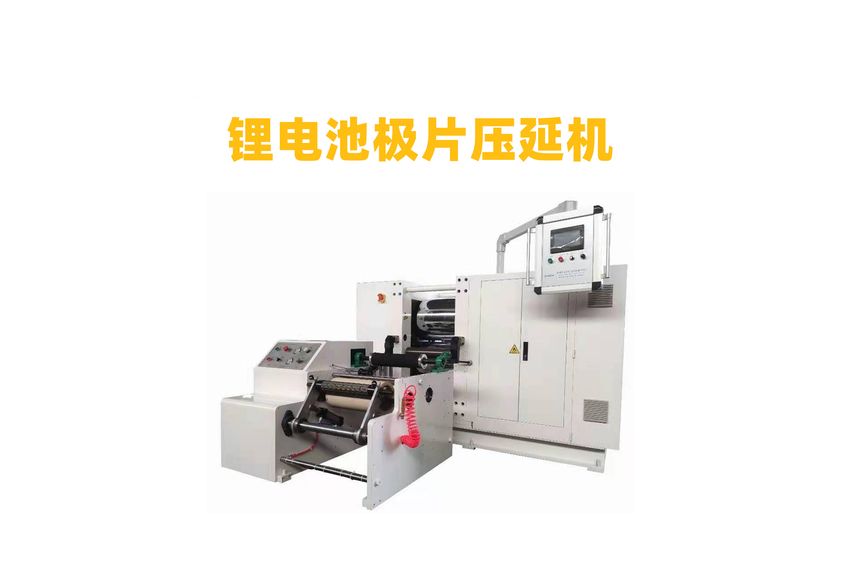
The Art of Silicone Rolling Machines
Silicone rolling machines are an essential tool in the manufacturing industry, particularly in the production of silicone products. These machines are designed to roll silicone sheets or films into thin, uniform layers, which are then used in a variety of applications such as electronics, aerospace, and automotive industries. In this article, we will explore the different types of silicone rolling machines available, their functions, and some tips for maintaining them effectively.
There are two main types of silicone rolling machines: continuous and discontinuous. Continuous machines are designed to continuously feed and unwind silicone sheets, while discontinuous machines are used for smaller batches or when the product needs to be cut to specific sizes. Both types have their advantages and disadvantages, but they serve different purposes in the silicone manufacturing process.
Continuous silicone rolling machines are more efficient and cost-effective, as they can produce large quantities of silicone sheets at once. However, they require more space and maintenance than discontinuous machines. Discontinuous machines are smaller and easier to maneuver, making them ideal for small-scale operations or when quick turnaround is necessary. They also offer more flexibility in terms of product size and shape.
When choosing a silicone rolling machine, it is important to consider factors such as the type of silicone being processed, the desired thickness of the product, and the desired speed of operation. Some common materials that silicone rolling machines are used to process include polysilicon, quartz, and glass. The thickness of the silicone sheet can range from a few micrometers to several millimeters, depending on the application.
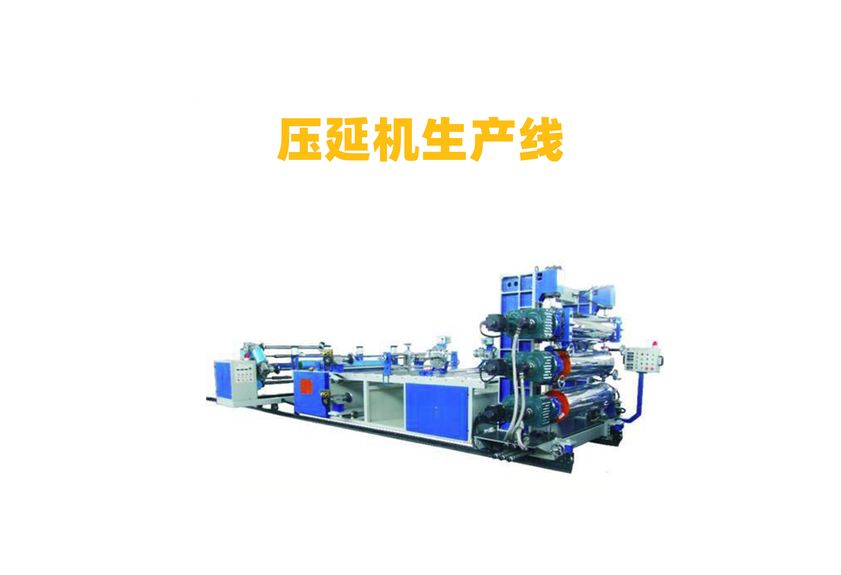
To maintain a silicone rolling machine effectively, it is important to follow proper cleaning and maintenance procedures. This includes regularly inspecting the machine for any signs of wear or damage, replacing worn parts as needed, and ensuring that all components are properly lubricated. Additionally, regular cleaning of the rollers and other moving parts can help prevent buildup of contaminants that could affect the quality of the silicone sheets produced.
In conclusion, silicone rolling machines play a crucial role in the manufacturing industry, particularly in the production of silicone products. By understanding the different types of machines available and their respective functions, as well as following proper maintenance procedures, manufacturers can ensure that their silicone sheets are of high quality and consistent in thickness and appearance.