The Development and Application of Absorber Material Rolling Machines
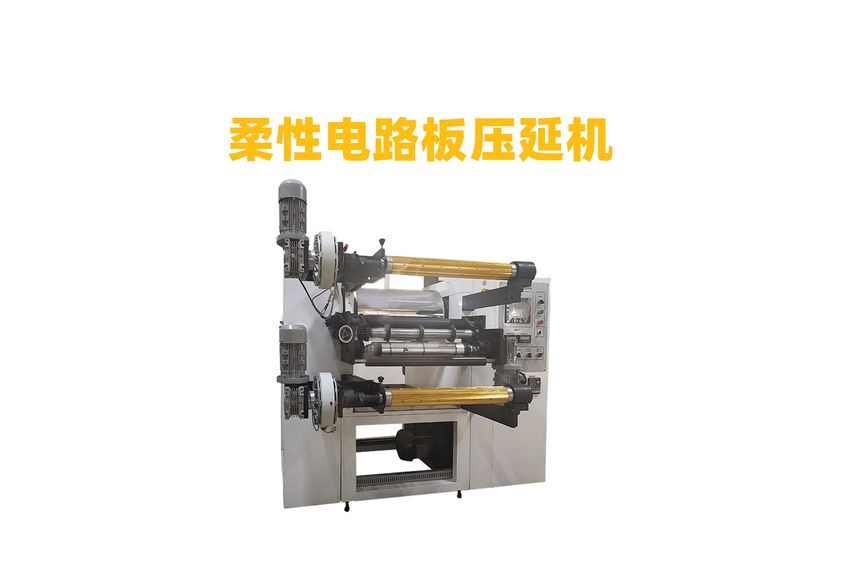
In the field of material processing, the development of absorber materials has been a significant milestone in the advancement of technology. The advent of absorber material rolling machines has revolutionized the way we manufacture these crucial components. These machines are designed to process various types of absorbers, including metal foams, polymers, and composites, into uniform sheets with precise thickness and density specifications.
The first step in the manufacturing process is the selection of the raw materials. These materials must be of high quality and have specific properties that meet the requirements of the final product. Once the raw materials have been selected, they are fed into the machine's hopper. The machine then begins to roll the material through a series of rollers, which apply pressure and heat to shape the material into the desired shape.
The key feature of an absorber material rolling machine is its ability to control the thickness and density of the material being produced. This is achieved through the use of specialized rollers that can adjust their speed and pressure to ensure consistent results. Additionally, some machines may also incorporate automated systems that monitor the process and adjust settings as needed to optimize production efficiency.
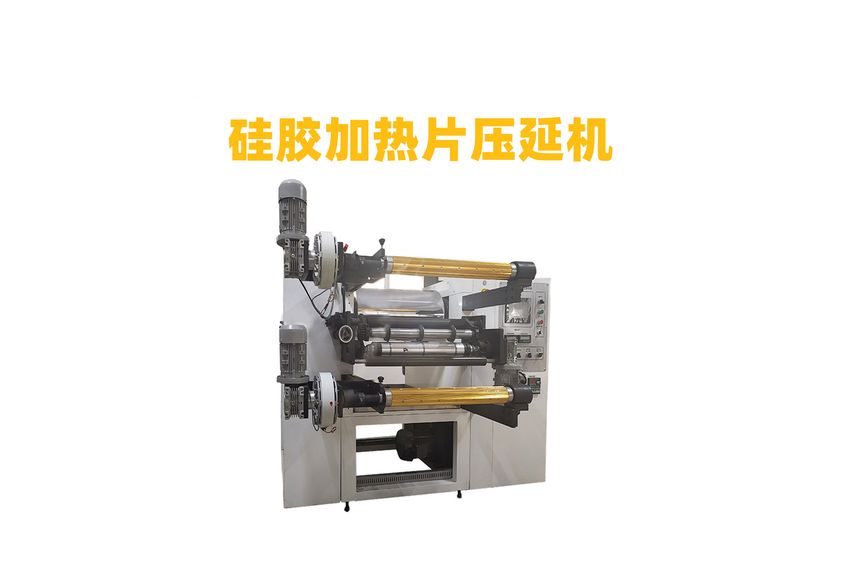
One of the benefits of using absorber material rolling machines is the ability to produce large volumes of high-quality absorbers quickly and efficiently. This is particularly important for applications where space or time is limited, such as in automotive or aerospace industries. By using these machines, manufacturers can reduce labor costs and improve product consistency, ultimately leading to increased profitability.
Another advantage of absorber material rolling machines is their ability to produce custom shapes and sizes. With the right design and configuration, these machines can be used to create complex geometries that are difficult or impossible to achieve with traditional methods. This flexibility allows manufacturers to tailor their products to specific customer needs, increasing market appeal and competitiveness.
In conclusion, the development of absorber material rolling machines has had a significant impact on the industry. These machines have enabled manufacturers to produce high-quality absorbers quickly and efficiently, while also providing the flexibility to create custom shapes and sizes. As technology continues to advance, it is likely that these machines will continue to play an important role in shaping the future of material processing.