



The Laboratory Rolling Mill - An Essential Tool for Chemical and Materials Science
The laboratory rolling mill is a crucial piece of equipment in the world of chemical and materials science. It is an essential tool for researchers, students, and professionals who are involved in various experiments related to polymer synthesis, plastic processing, and other similar applications. In this article, we will explore the basics of the laboratory rolling mill, its features, and how it can be used effectively in various scientific experiments.
The laboratory rolling mill is a machine that uses rollers to extrude or roll out polymeric materials into thin sheets or films. It is a versatile tool that can be used for a wide range of applications, including but not limited to:
1. Polymer Extrusion: The lab rolling mill is often used in polymer extrusion processes where the material is melted and then forced through a die to form a continuous sheet. This process is commonly used in the production of plastics, rubber, and other thermoplastic materials.
2. Film Formation: The lab rolling mill is also used in the formation of thin films by passing the molten polymer through a die and then cooling it on a roller. This technique is commonly used in the production of coatings, films, and other protective layers.
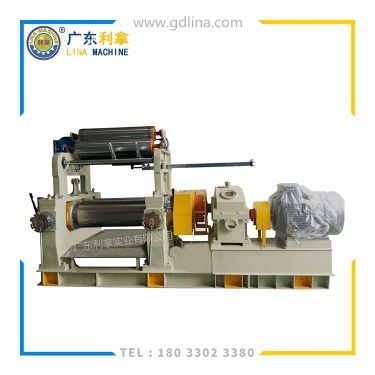
3. Plastic Processing: The lab rolling mill is also used in the processing of plastics by shaping them into various shapes using dies and rollers. This process is commonly used in the manufacture of toys, packaging, and other consumer goods.
4. Biomaterials Production: The lab rolling mill is also used in the production of biomaterials such as cellulose-based films and membranes. These materials are commonly used in the medical field for drug delivery and tissue engineering applications.
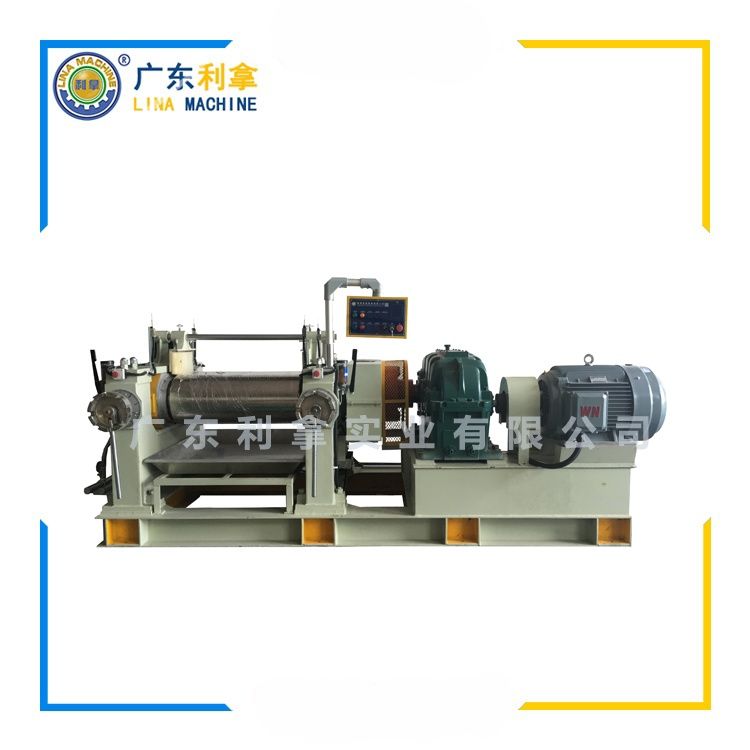
5. Environmental Applications: The lab rolling mill is also used in the production of environmentally friendly materials such as biodegradable plastics and composites. These materials are commonly used in the construction industry and other industrial applications.
In summary, the laboratory rolling mill is a versatile tool that can be used in a wide range of scientific experiments related to polymer synthesis, plastic processing, and other similar applications. Its features include high precision, ease of use, and the ability to produce consistent results. By understanding the basics of the lab rolling mill and its capabilities, researchers and professionals can make informed decisions about which equipment to use in their experiments and achieve optimal results.