The Role of Functionality in Nurturing Granules
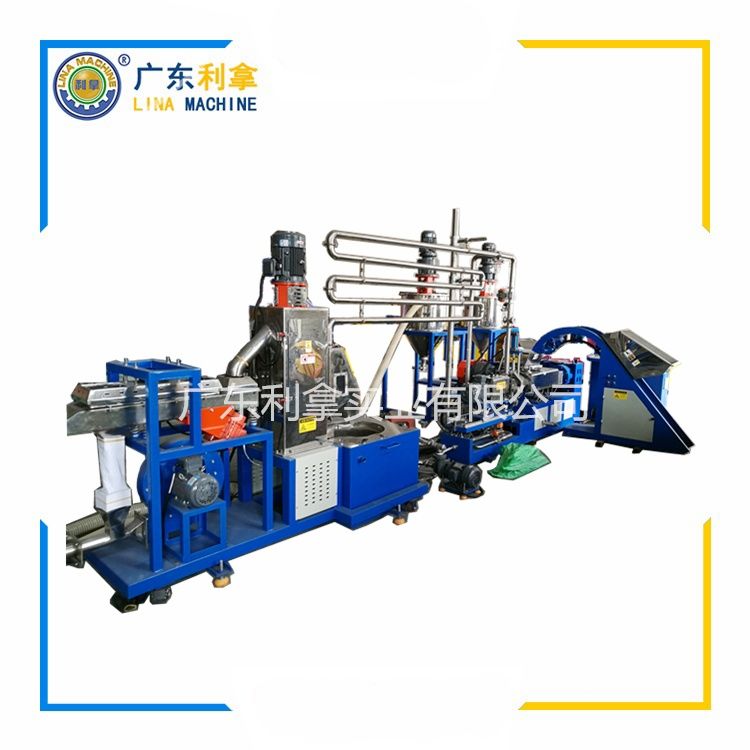
In the realm of polymer processing, functionality is a crucial factor that determines the properties and performance of granular materials. A functional mother material granulator plays a pivotal role in this process, enabling the creation of granular products with enhanced functionalities. This machine is designed to transform raw materials into granular form, which is essential for various applications such as packaging, construction, and more.
The functionality of a granulator can be attributed to its ability to control the size, shape, and distribution of granular particles. The granulator's internal components, such as the screw, die, and conveyor system, are precisely engineered to ensure uniform granulation. The screw rotates at high speeds, causing the raw materials to undergo compression and ejection through the die, resulting in a consistent and predictable particle size. The conveyor system ensures that the granulated material is evenly distributed throughout the entire granulator, preventing clumping or segregation.
Furthermore, the functionality of a granulator extends beyond its granulation capabilities. It can also incorporate additives such as fillers, pigments, and reinforcements to enhance the physical and chemical properties of the granulated product. For example, adding carbon black to plastic pellets can improve their electrical conductivity and thermal stability. Similarly, incorporating glass fibers into rubber compounds can increase their strength and durability.
In conclusion, the functionality of a granulator is critical in shaping granular materials with specific properties. By carefully controlling the granulation process, manufacturers can produce granular products that meet the needs of various industries, from consumer goods to industrial machinery. As technology continues to advance, we can expect to see even more sophisticated granulator designs that will further enhance the functionality of granular materials.