



The Art of Ceramic Powder Consolidation and Granulation in a Single Integration Machine
In the realm of ceramics, the process of consolidating and granulating ceramic powder is crucial for producing high-quality ceramic products. This process involves mixing the powder with a binder to create a cohesive mass that can be molded into desired shapes. However, traditional methods of consolidating and granulating ceramic powder have limitations, such as low efficiency and potential contamination from dust particles. That's where the ceramic powder consolidation and granulation machine comes into play.
The ceramic powder consolidation and granulation machine is an advanced technology that combines the functions of consolidation and granulation into one compact unit. It utilizes high-speed rotational forces to mix the ceramic powder with a binder, creating a uniform and cohesive mass. The machine also features a granulation mechanism that separates the granulated material from the unprocessed powder, ensuring a consistent quality throughout the production process.
One of the key benefits of this machine is its efficiency. By integrating multiple functions into one device, it reduces the need for manual labor and increases productivity. Additionally, the machine's design ensures minimal contamination from dust particles, which can be a significant concern in the ceramic industry.
Another advantage of the ceramic powder consolidation and granulation machine is its ability to produce high-quality ceramic products. The machine's precise control over the mixing and granulation processes ensures that each product meets stringent quality standards. This not only improves the overall performance of the product but also enhances its aesthetic appeal.
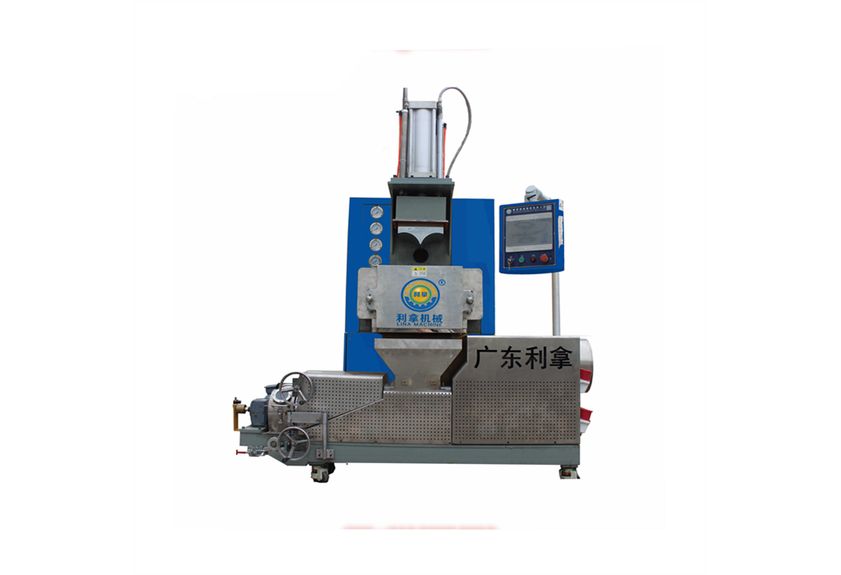
In conclusion, the ceramic powder consolidation and granulation machine represents a significant advancement in the field of ceramic manufacturing. Its efficient and high-quality production capabilities make it an essential tool for any ceramic manufacturer looking to improve their operations and meet the demands of modern consumers. As technology continues to evolve, we can expect to see even more innovative solutions like this one, further revolutionizing the way we produce ceramic products.