The Art of Rubber Tire Extrusion: An Insight into the Open-Roller Process
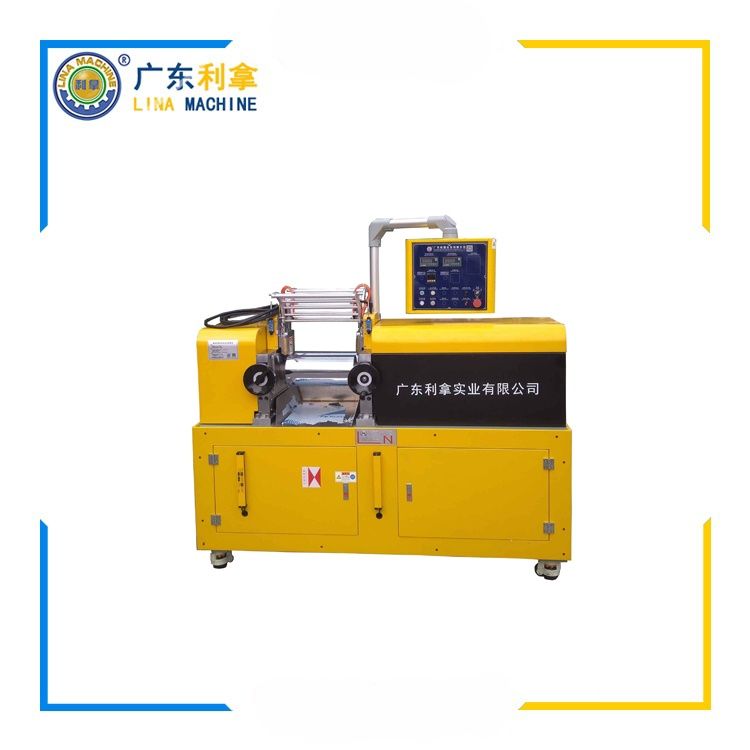
Open-roller process, also known as open-air extrusion, is a crucial step in the production of rubber tires. It involves mixing and shaping rubber compounds using an open-roller extruder. This process is essential for producing high-quality tires with consistent performance and durability. In this article, we will explore the basics of the open-roller process and its impact on tire manufacturing.
The open-roller process begins with the preparation of rubber compounds. These compounds are made up of various ingredients such as carbon black, fillers, and additives. The mixture is then fed into the open-roller extruder, which has a series of rollers that shape the compound into a desired shape. The rollers are heated to ensure uniform heating throughout the compound, which helps to improve the bonding between the different components.
Once the compound is shaped, it is cooled and solidified. The solidified compound is then cut into individual pieces, which are further processed into tires. The open-roller process plays a vital role in ensuring that the tires produced meet industry standards and specifications. By controlling the temperature and pressure during the extrusion process, manufacturers can produce tires with optimal performance and durability.
In addition to its technical importance, the open-roller process also has a significant impact on the environment. The use of open-roller machines reduces energy consumption compared to other tire-making processes. This is because open-roller machines require less energy to heat and cool the compound, resulting in lower greenhouse gas emissions. Moreover, the open-roller process allows for more efficient use of raw materials, reducing waste and promoting sustainability in the tire manufacturing industry.

In conclusion, the open-roller process is a critical component of the tire manufacturing process. By understanding its principles and benefits, manufacturers can optimize their operations and contribute to a more sustainable future for the tire industry. As technology continues to advance, the open-roller process will continue to evolve, providing new opportunities for innovation and improvement in tire manufacturing.