The Role of Plastic Injection Molding Machines in Modern Manufacturing
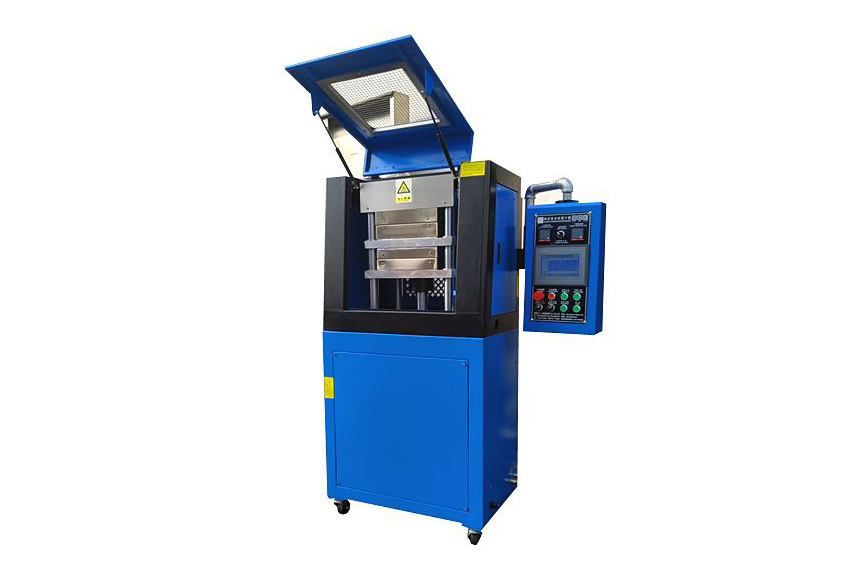
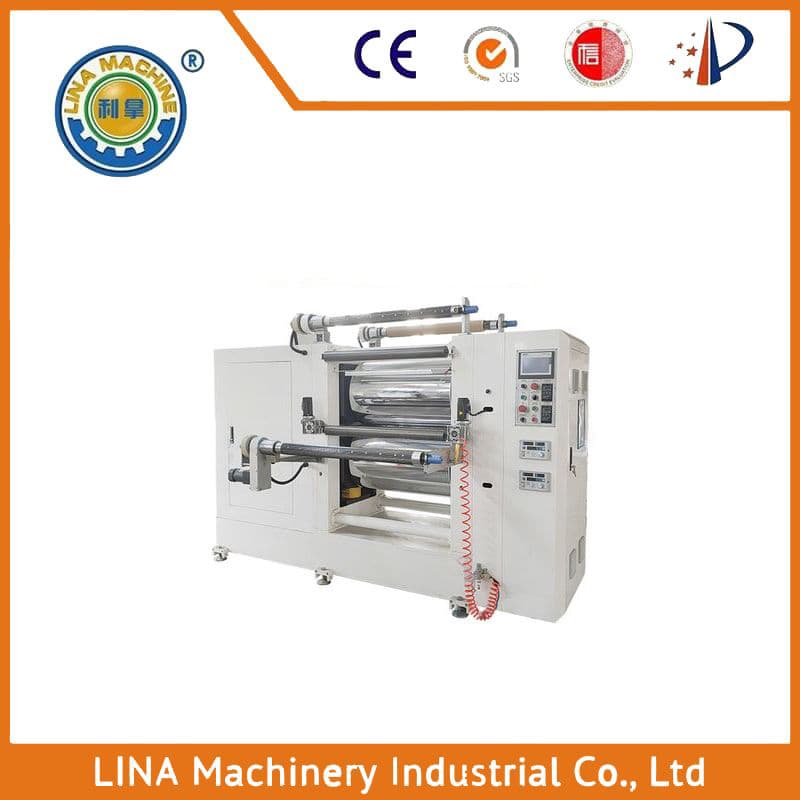
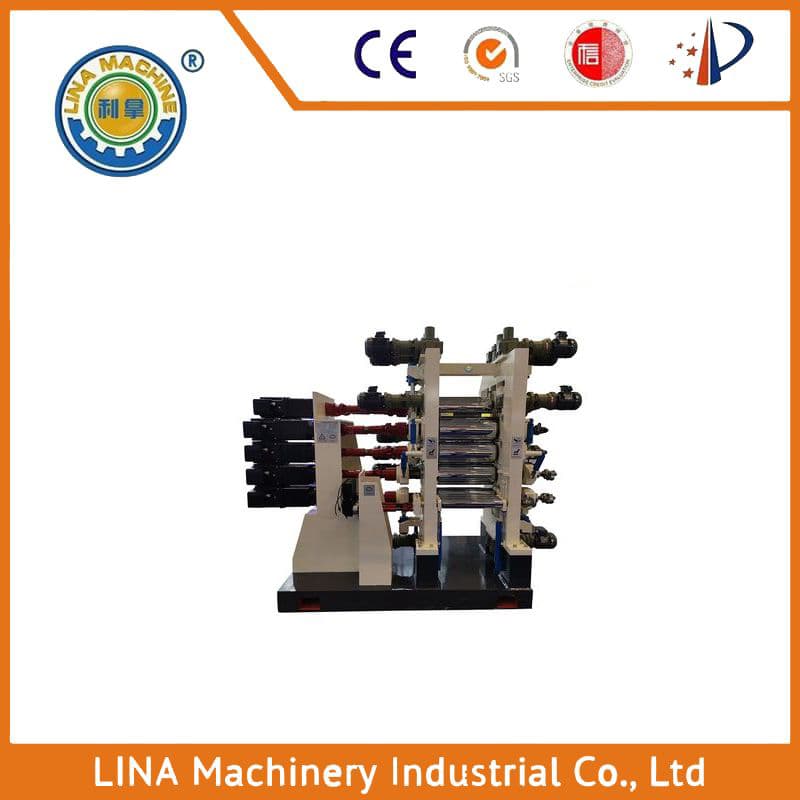
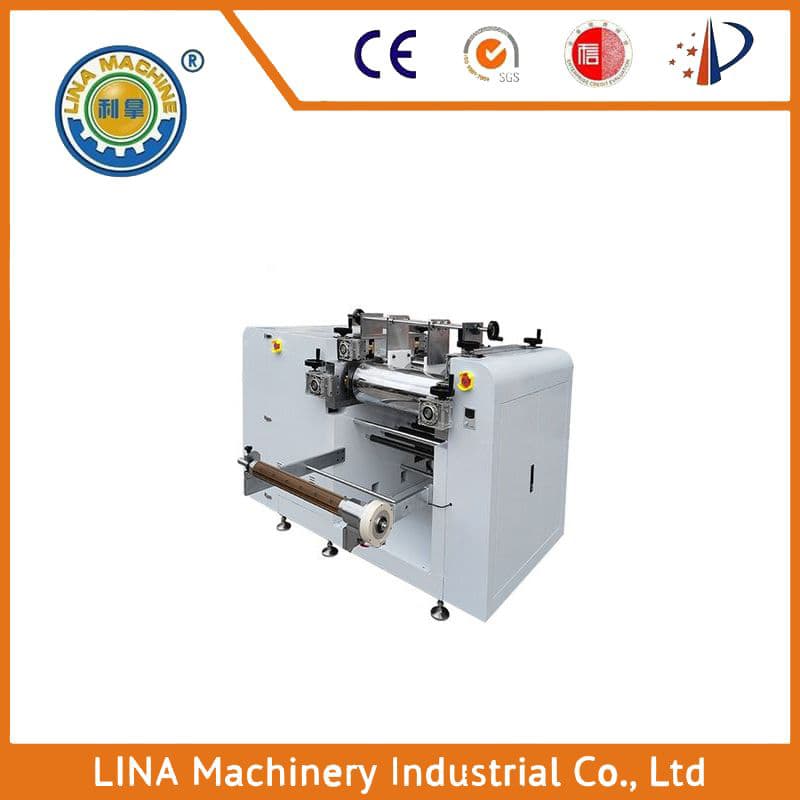
Plastic injection molding machines are an essential tool in the manufacturing industry, enabling the production of a wide range of plastic products. These machines use thermoplastic resins to create intricate shapes and designs that would be impossible to achieve with traditional methods. By utilizing advanced technology, these machines can produce parts with precision and consistency, which is crucial for many industries such as automotive, electronics, and medical devices.
One of the key features of plastic injection molding machines is their ability to process a variety of materials, including thermoplastics, thermosets, and hybrid materials. This flexibility allows manufacturers to quickly adapt to changing market demands and stay competitive in today's fast-paced business environment. Additionally, these machines offer significant cost savings compared to other manufacturing processes, making them an attractive option for businesses looking to reduce their overhead costs.
Another advantage of plastic injection molding machines is their ability to produce high-quality products with minimal waste. By using computer-controlled systems, these machines can precisely control the temperature and pressure during the injection process, ensuring that each part meets the required specifications. This results in fewer defects and higher product yields, leading to increased efficiency and profitability for manufacturers.
In addition to their technical advantages, plastic injection molding machines also have a positive impact on the environment. By reducing the need for manual labor and minimizing waste, these machines help to streamline the manufacturing process and minimize energy consumption. This not only reduces carbon emissions but also contributes to a more sustainable future for the industry as a whole.
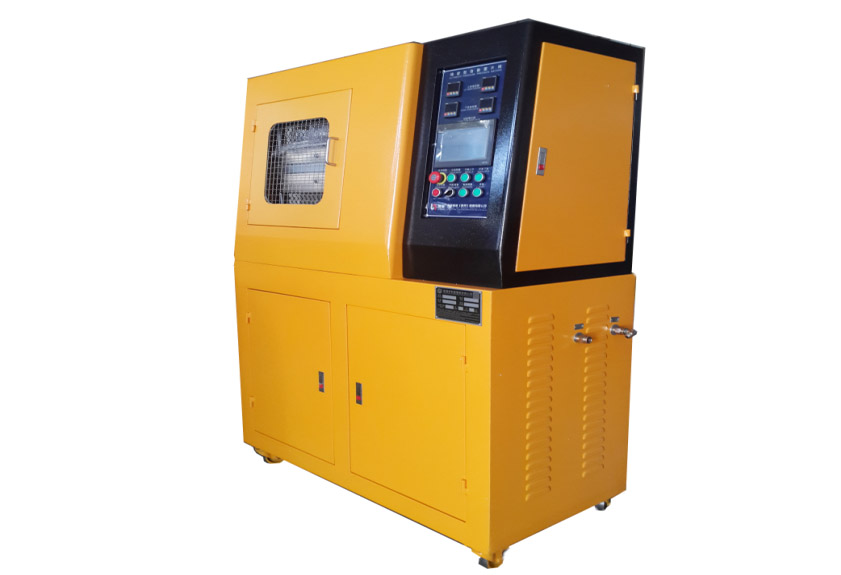
Overall, plastic injection molding machines play a critical role in modern manufacturing by enabling the production of high-quality plastic products with minimal waste and maximum efficiency. As technology continues to advance, we can expect these machines to become even more sophisticated and capable, further driving innovation and growth in the global economy.