



The Art of Granulation: High Temperature Materials
In the realm of industrial processes, granulation is a crucial step in the manufacturing process. It involves the formation of small, uniform particles from larger raw materials. One such application is in the production of high-temperature materials, where the granulation process plays a critical role in ensuring the integrity and performance of the final product. In this article, we will explore the intricacies of high-temperature material granulation machines and their significance in modern industrial settings.
At the heart of any granulation process lies the granulator, which is responsible for converting the raw materials into the desired particle size and shape. In the case of high-temperature materials, the granulator must be designed to withstand the extreme temperatures generated during the granulation process. This is often achieved through the use of specialized materials and advanced engineering techniques.
One of the key challenges faced by granulator designers is maintaining consistency and accuracy in the granulation process. With high-temperature materials, the rate at which the granulator operates can vary significantly, depending on factors such as temperature, pressure, and humidity. To overcome this challenge, many granulator designs incorporate advanced control systems that allow for precise adjustments to the operating parameters.
Another important consideration in high-temperature material granulation is the need for efficient heat transfer. As the granulator operates at elevated temperatures, it is essential to ensure that the heat is effectively dissipated to prevent damage to the equipment or degradation of the granulated material. This is often achieved through the use of cooling systems or other thermal management strategies.
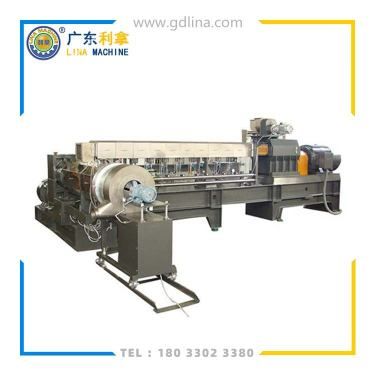
In addition to these technical challenges, there are also environmental considerations to keep in mind when designing high-temperature material granulation machines. For example, reducing energy consumption and minimizing waste generation are critical goals in today's sustainable manufacturing practices. This can be achieved through the use of renewable energy sources, innovative design concepts, and closed-loop systems that optimize material usage and recycling.
As we look to the future of industrial manufacturing, it is clear that the demand for high-temperature material granulation machines will continue to grow. With advancements in technology and increased focus on sustainability, we can expect to see even more sophisticated and efficient granulation processes emerge. Whether you are a manufacturer looking to improve your current operations or a researcher exploring new possibilities, understanding the intricacies of high-temperature material granulation is essential for staying ahead of the curve.
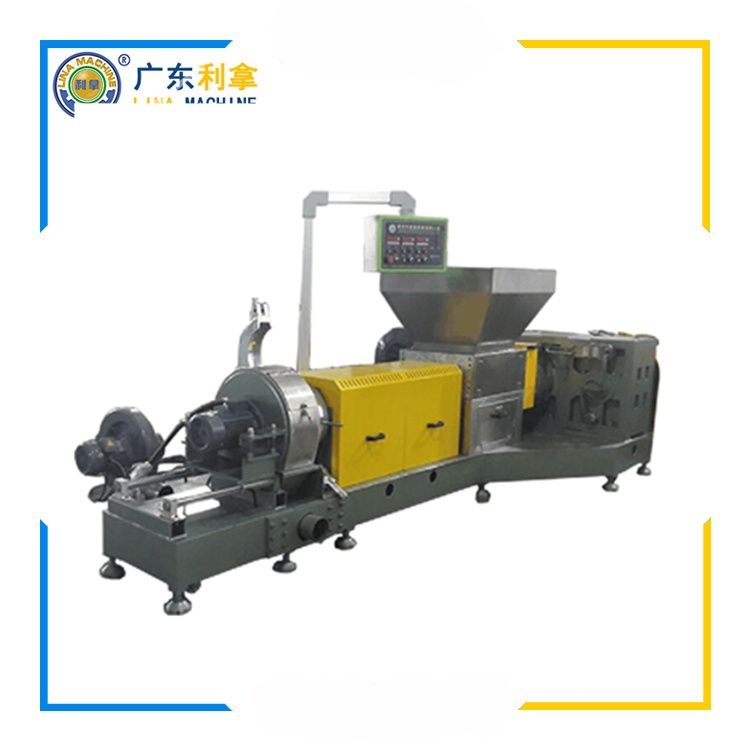
1. Granulation Machines
2. High Temperature Materials
3. Industrial Processes
4. Sustainable Manufacturing
5. Advanced Technology
This article delves into the intricate world of high-temperature material granulation machines, highlighting their importance in modern industrial processes. We explore the technical challenges faced by granulator designers, including maintaining consistency and accuracy, and the need for efficient heat transfer. We also discuss environmental considerations and the growing demand for sustainable manufacturing practices. By understanding the intricacies of high-temperature material granulation, manufacturers can stay ahead of the curve and drive innovation in their industry.