



The Art of Particle Formation in Ceramic Powder Making Machines
Ceramic powder is a crucial component in the production of ceramic products. To achieve high-quality ceramic powder, particle formation is an essential process that involves the dispersion and consolidation of raw materials into small particles. This process is typically carried out using a ceramic powder making machine, which is a specialized equipment designed to handle the granulation of ceramic raw materials.
The ceramic powder making machine is a complex device that consists of several key components, including a rotating drum, a feeder system, and a drying chamber. The drum rotates at high speeds, causing the raw materials to be evenly distributed across its surface. The feeder system then delivers the raw materials to the drum, where they are subjected to intense shear forces and mechanical agitation. This process helps to break down the raw materials into smaller particles, which are then collected and dried in the drying chamber.
The quality of the ceramic powder produced by the particle formation process is critical for the success of the final product. The size, shape, and uniformity of the particles can significantly affect the properties of the ceramic material, such as its strength, toughness, and thermal conductivity. Therefore, it is important to carefully control the parameters of the particle formation process, including the rotational speed of the drum, the amount of agitation applied, and the temperature of the drying chamber.
In addition to its technical importance, the ceramic powder making machine also plays a significant role in the overall efficiency of the ceramic production process. By using this specialized equipment, manufacturers can produce ceramic powder on a large scale and at a lower cost than traditional methods. This not only reduces waste but also allows for more efficient use of resources, ultimately leading to cost savings for both the manufacturer and the end user.
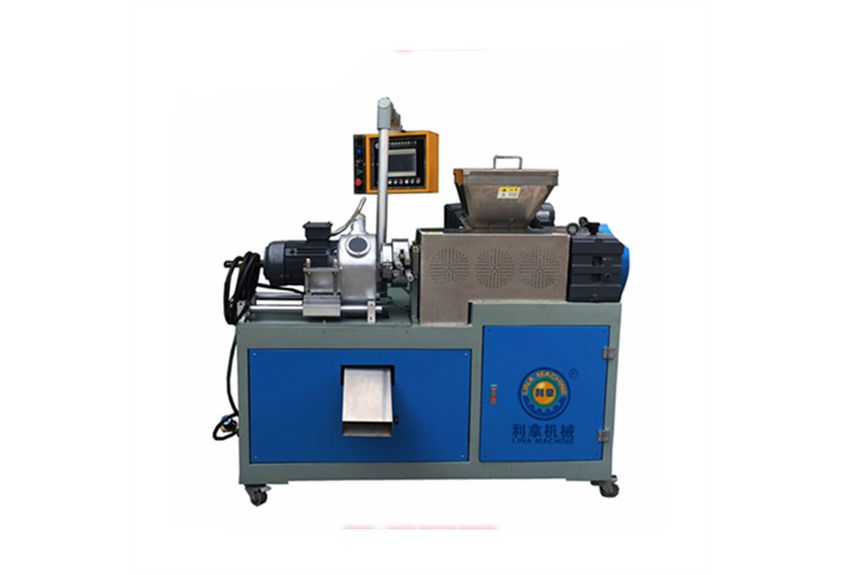
1. Ceramic Powder Making Machine
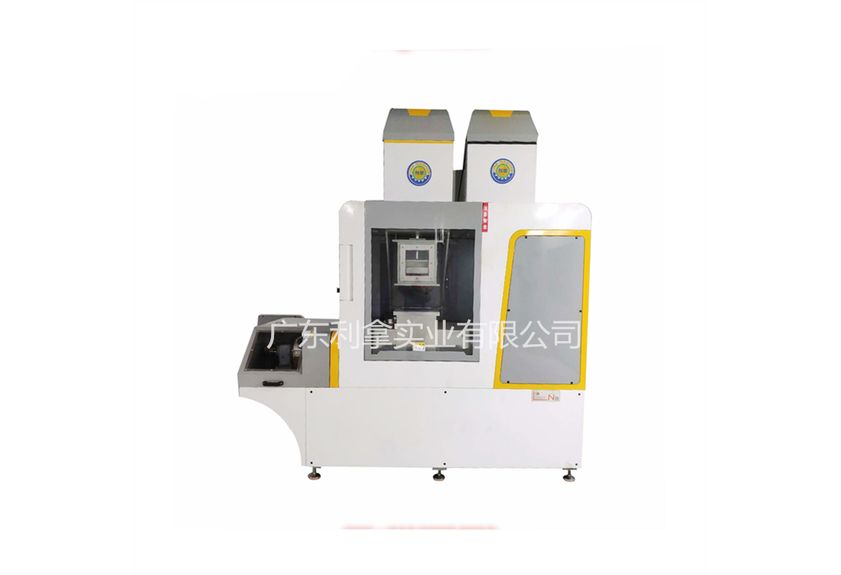
2. Particle Formation
3. Rotary Drum
4. Feeder System
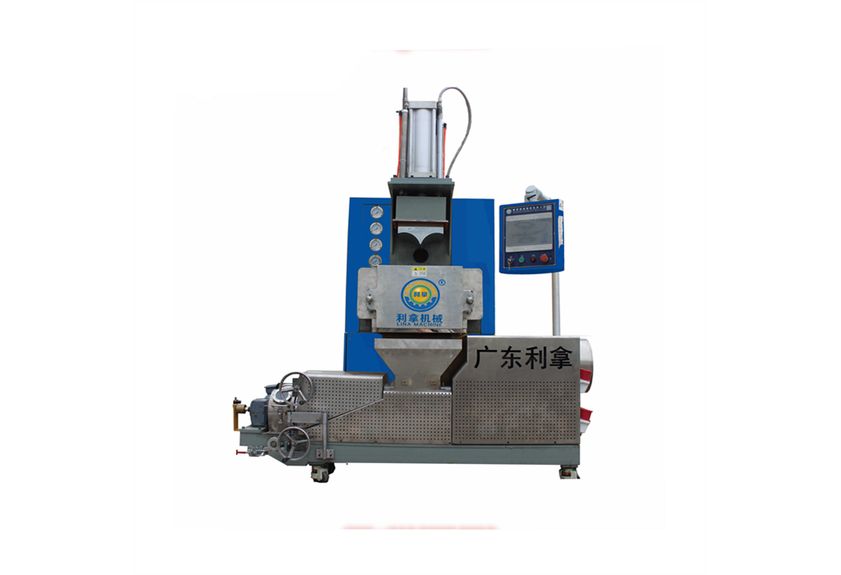
5. Drying Chamber
6. Quality Control
7. Efficiency
8. Cost Savings
This article provides an in-depth analysis of the role played by the ceramic powder making machine in the production of high-quality ceramic powder. We discuss the technical aspects of particle formation, including the use of a rotary drum and a feeder system, as well as the importance of quality control and efficiency in the manufacturing process. We also explore the potential benefits of using this specialized equipment, including cost savings and increased production capacity. By understanding the principles behind particle formation and how it contributes to the overall success of ceramic production, we can better appreciate the significance of this critical process in the industry.