



The Art of Particle Formation in Ceramic Powder Making Machines
Ceramic powder making machines play a crucial role in the production process of ceramic materials. These machines are designed to convert raw materials into fine, uniformly sized particles that can be used for various applications such as electronics, construction, and automotive industries. In this article, we will explore the different types of ceramic powder making machines, their working principles, and how they contribute to the quality of ceramic products.
There are two main types of ceramic powder making machines: ball milling machines and fluidized bed grinding machines. Ball milling machines use rotating balls to crush and grind the raw materials, resulting in a fine powder with a high specific surface area. Fluidized bed grinding machines, on the other hand, use air or gas to carry the raw materials through a bed of grinding media, which helps to reduce the size of the particles and improve their flowability.
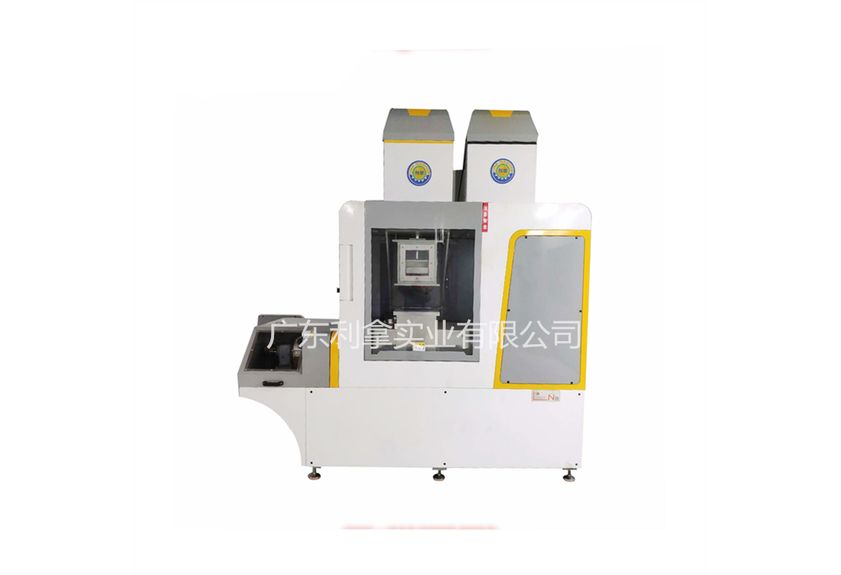
The working principle of both types of machines is based on the principle of mechanical energy conversion. The raw materials are fed into the machine, which then applies pressure to the material using a motor or other power source. This pressure causes the particles to break down and compress each other, leading to the formation of smaller particles. The size of the particles produced by these machines can be controlled by adjusting the speed of rotation, the amount of pressure applied, and the type of grinding media used.
In addition to their technical capabilities, ceramic powder making machines also have an impact on the quality of ceramic products. By producing fine, uniformly sized particles, these machines help to improve the strength and durability of ceramic materials. They also ensure that the final product meets the required specifications and standards, which is essential for its application in various industries.
Overall, ceramic powder making machines are essential tools in the production process of ceramic materials. With their ability to produce fine, uniformly sized particles, they contribute significantly to the quality and performance of ceramic products. As technology continues to advance, we can expect to see even more innovative and efficient ceramic powder making machines on the market, further enhancing the capabilities of ceramic materials in various industries.