



Understanding Rubber Extrusion Filters: A Comprehensive Guide
In the realm of industrial machinery, rubber extrusion filters play a crucial role in the production process of various rubber products. These filters are designed to remove impurities from the molten rubber and ensure its quality and consistency. In this article, we will explore the essential features, benefits, and applications of rubber extrusion filters.
Firstly, let's delve into the technical aspects of rubber extrusion filters. These machines are characterized by their ability to produce high-quality rubber products with minimal defects. The filters are made up of several components, including the filter bed, pressure vessel, and control system. The filter bed is typically made of metal mesh or ceramic material, which traps particles and debris as they pass through the molten rubber. The pressure vessel provides the necessary pressure for the molten rubber to flow through the filter bed. The control system monitors the temperature and pressure of the molten rubber and adjusts them accordingly to optimize the filtering process.
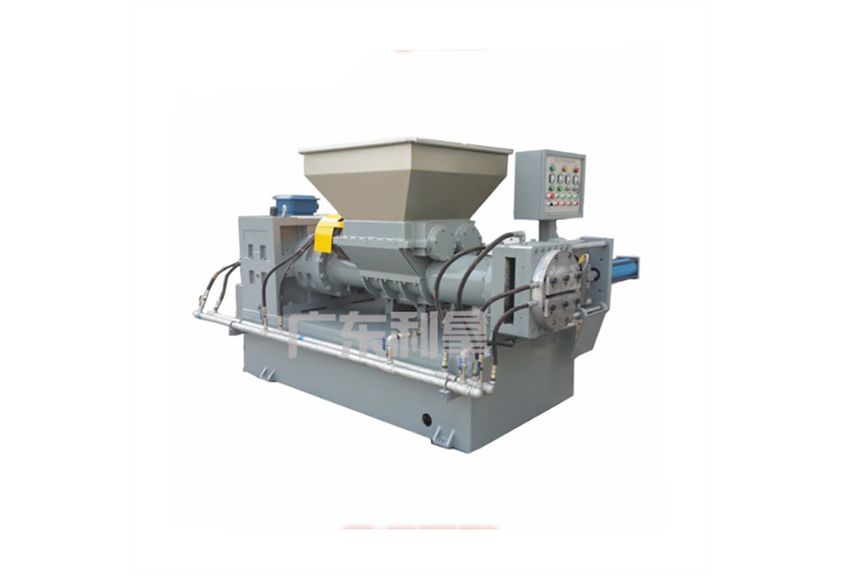
One of the key benefits of rubber extrusion filters is their ability to improve product quality. By removing impurities from the molten rubber, these filters can reduce the occurrence of defects such as bubbles, voids, and discoloration. This results in a higher-quality final product that meets industry standards. Additionally, rubber extrusion filters can help save on energy costs by reducing downtime due to defective products.
Another advantage of rubber extrusion filters is their flexibility in different applications. They can be used in various industries, including automotive, construction, and sports equipment manufacturing. For example, in the automotive industry, rubber filters are used to remove dust and debris from the molten rubber used in tire manufacturing. In construction, they are used to clean the molten rubber used in flooring and roofing materials. In sports equipment manufacturing, they are used to remove impurities from the molten rubber used in athletic shoes and other gear.
In conclusion, rubber extrusion filters are an essential component of the production process for various rubber products. Their technical features, benefits, and applications make them a valuable tool for any industrial facility looking to produce high-quality products while saving on energy costs. As technology continues to advance, we can expect to see even more innovative solutions for improving the efficiency and quality of rubber extrusion processes.