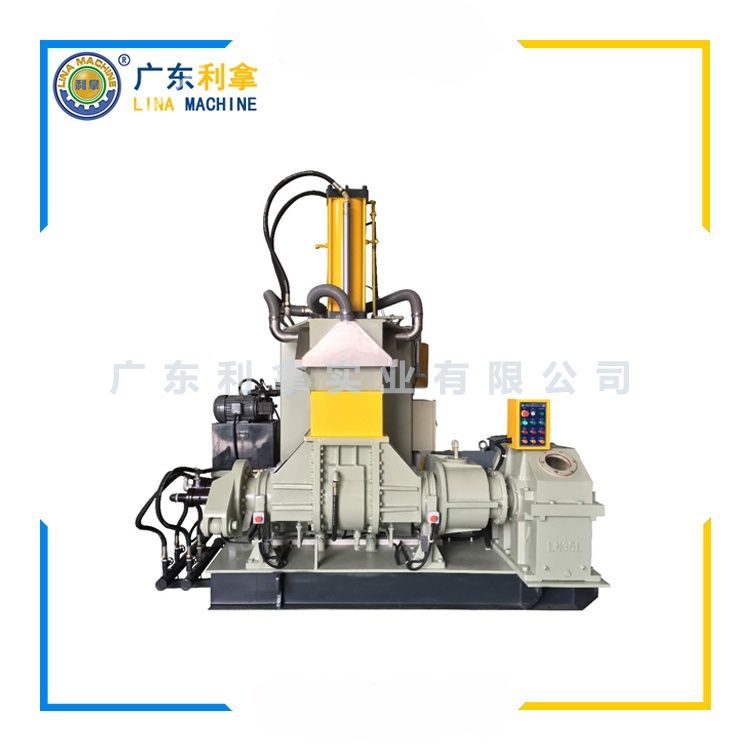
The Role of Vacuum Mixing Machines in the Manufacturing Industry
In the manufacturing industry, vacuum mixing machines play a crucial role in various processes. These machines are designed to mix and knead materials at high temperatures and pressures, resulting in a uniform and homogeneous mixture. They are used in various industries such as food processing, pharmaceuticals, and chemical engineering.
One of the main advantages of vacuum mixing machines is their ability to achieve a high degree of mixing without the use of heat or mechanical energy. This makes them ideal for processes that require precise control over the mixing process, such as in the production of biomaterials or composite materials.
Another important feature of vacuum mixing machines is their ability to handle a wide range of materials, including powders, liquids, and solids. This makes them versatile tools for a variety of applications, from simple batch processing to complex multi-stage processes.
The process of vacuum mixing involves creating a vacuum environment inside the machine, which reduces the air pressure around the material being mixed. This creates a negative pressure gradient that forces the materials to move towards each other, resulting in a more even distribution of ingredients throughout the mixture.
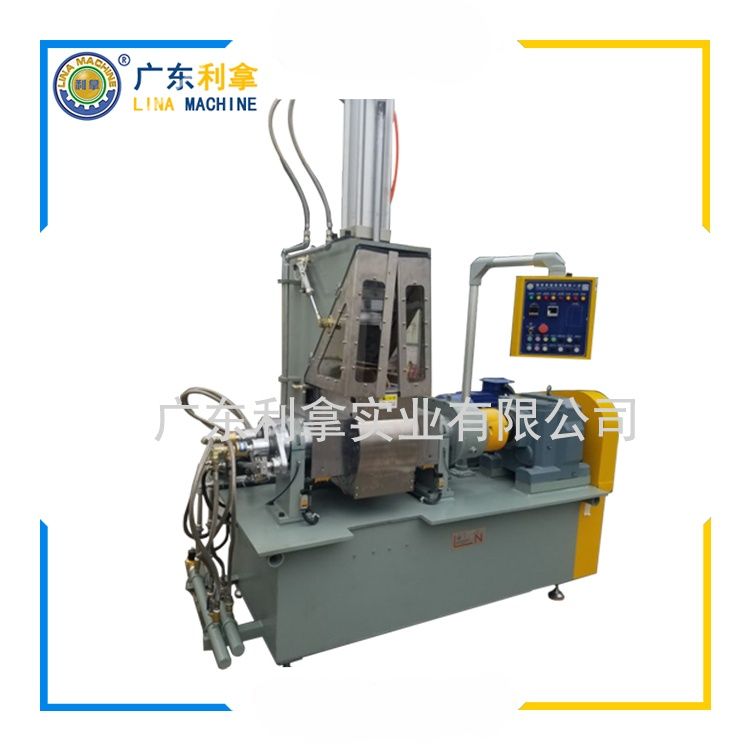
The temperature and pressure settings of the vacuum mixing machine can be adjusted to suit the specific needs of the process. For example, higher temperatures and pressures may be required for more reactive materials, while lower temperatures and pressures may be suitable for less reactive materials.
Overall, vacuum mixing machines are an essential tool for modern manufacturing processes, providing efficient and precise mixing solutions for a wide range of applications. As technology continues to advance, we can expect to see even more innovative designs and features emerging in this field.