
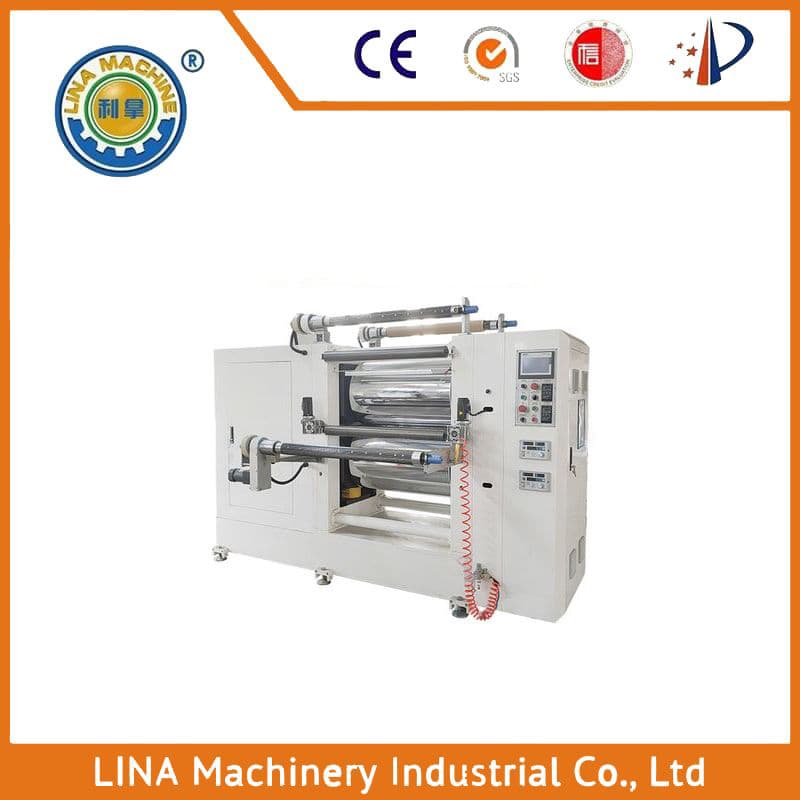
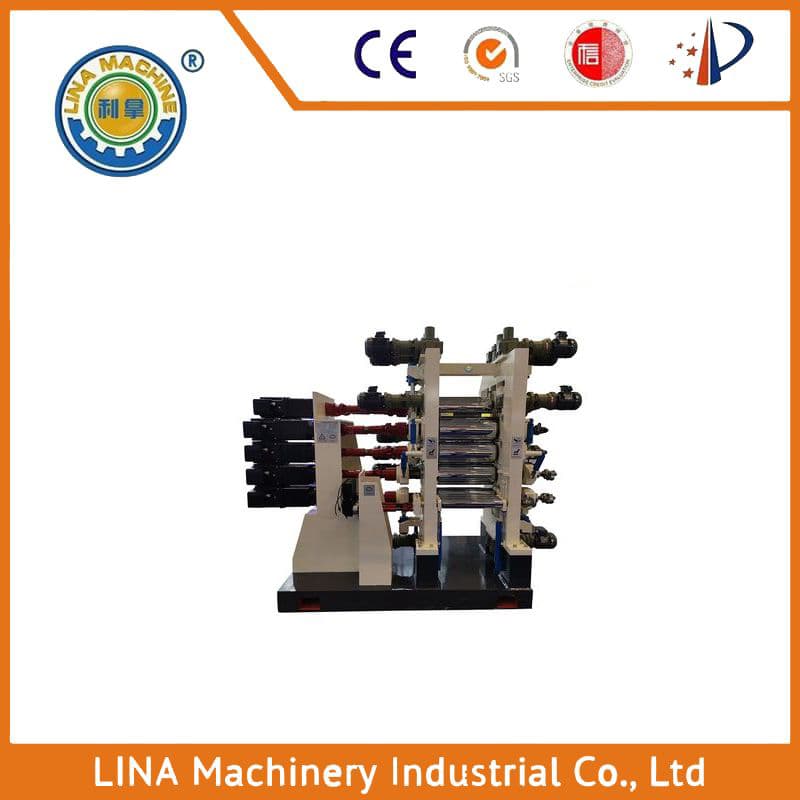
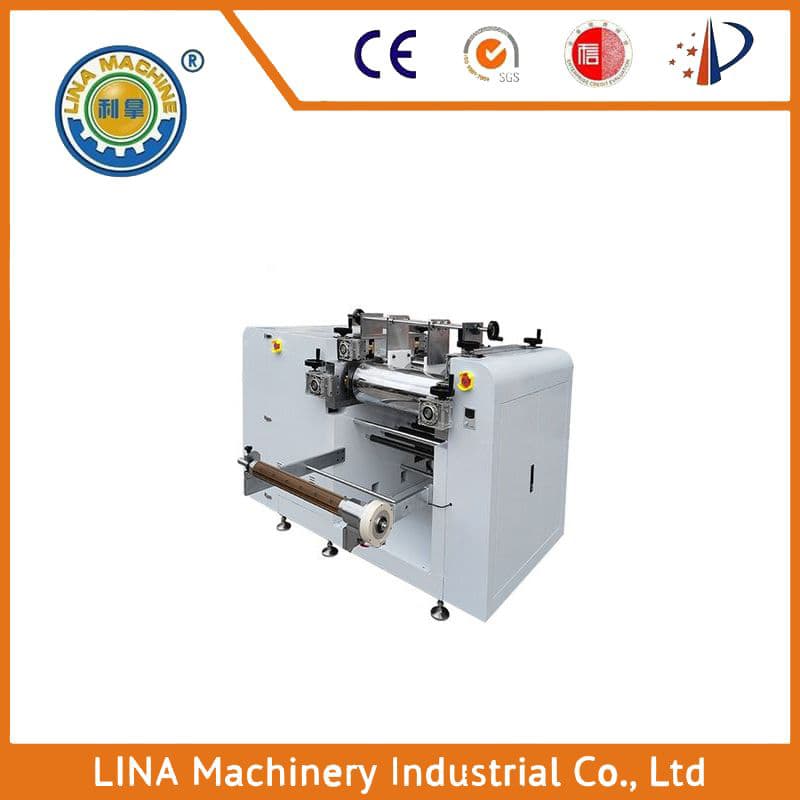
The Role of the Mixing Machine in Chemical Processing
Mixing machines play a crucial role in chemical processing industries, as they are essential tools for mixing and homogenizing various substances. These machines can be used in a wide range of applications, from simple batch processes to complex continuous operations. They are designed to handle a variety of materials, including liquids, solids, and gases, and can be used to create mixtures with specific properties and compositions.
One of the main benefits of using mixing machines is their ability to achieve high levels of uniformity and consistency in the final product. This is particularly important in industries where quality control is critical, such as pharmaceuticals, food, and cosmetics. By carefully controlling the temperature, pressure, and flow rate of the mixture, mixers can ensure that all components are thoroughly mixed and combined in a way that produces consistent results every time.
Another advantage of mixing machines is their flexibility and adaptability. They can be customized to meet specific needs and requirements, whether it's adjusting the speed, temperature, or other parameters to optimize performance. This makes them ideal for use in a wide range of industries, from manufacturing to research and development.
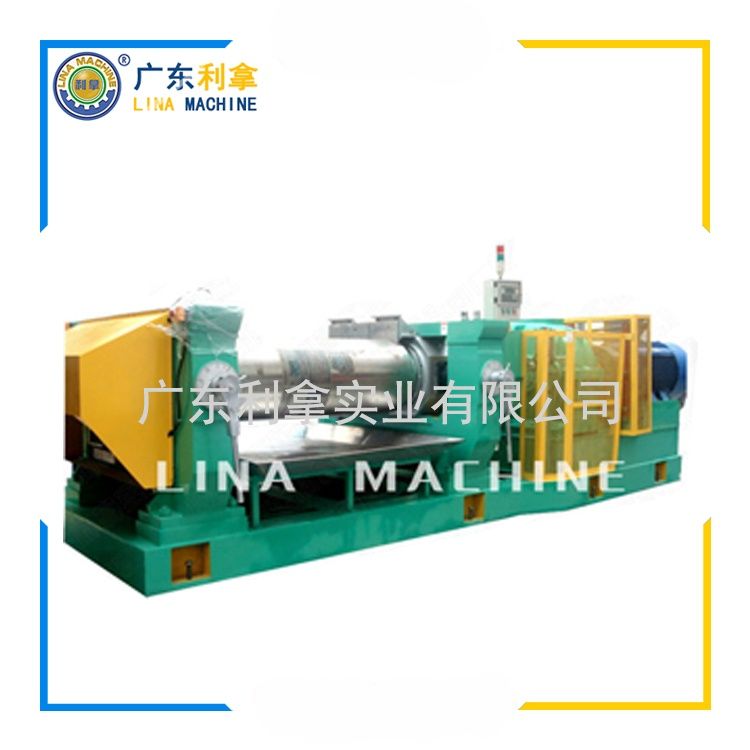
In addition to their technical advantages, mixing machines also have a positive impact on the environment. By reducing waste and energy consumption, they help to minimize the environmental impact of chemical processing. This is particularly important in industries that rely heavily on fossil fuels, such as petrochemicals and cement production.
Overall, mixing machines are an essential part of the chemical processing industry, providing a powerful tool for achieving high levels of uniformity and consistency in the final product. With their ability to adapt to different needs and requirements, they are also flexible and versatile, making them a valuable asset for any industry looking to improve efficiency and reduce waste.