
The Role of the Three-Roll Mill in Rubber Technology
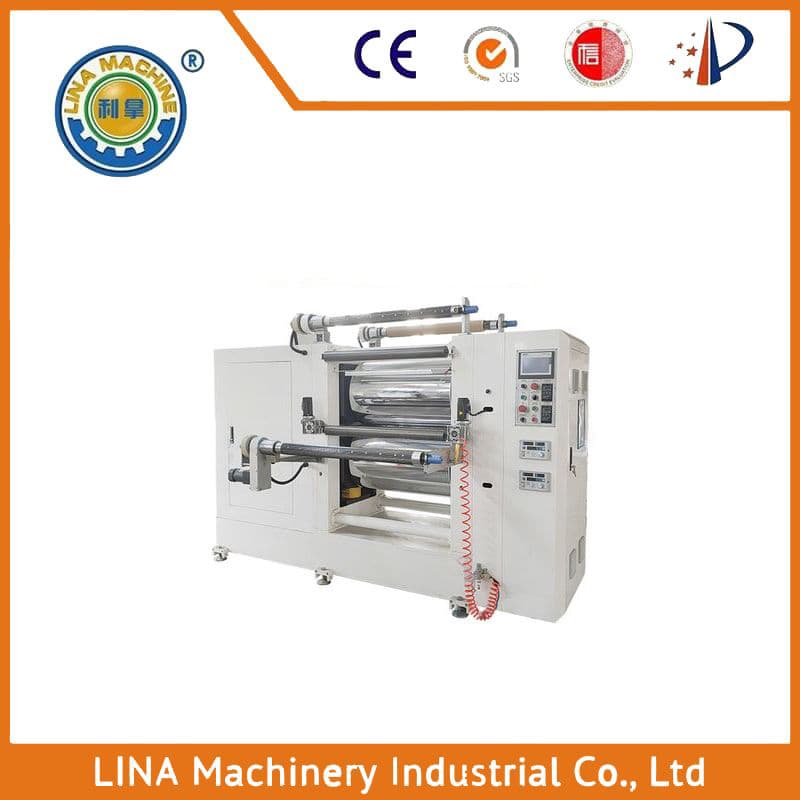
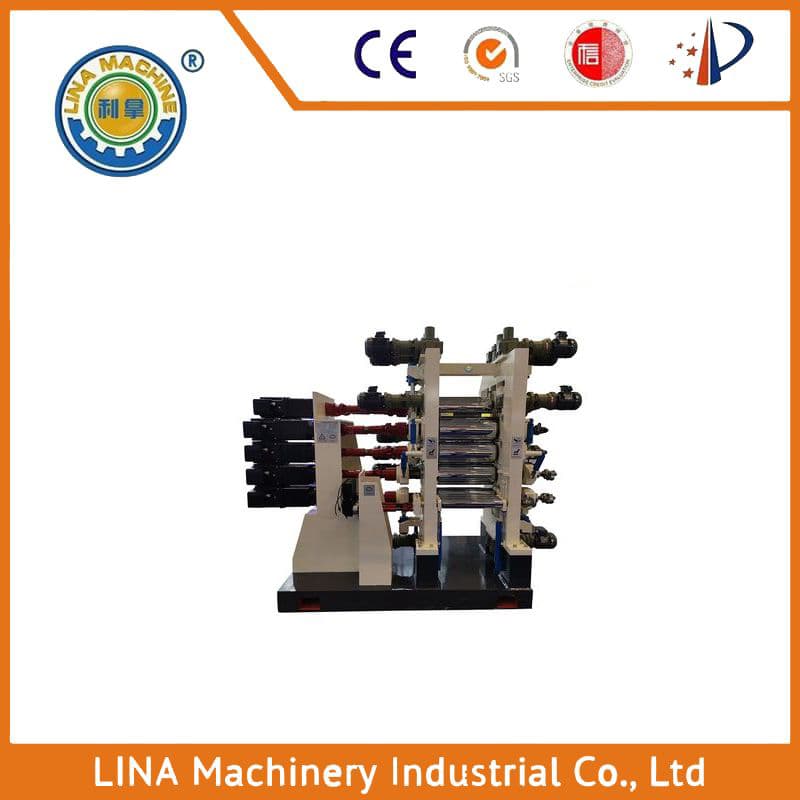
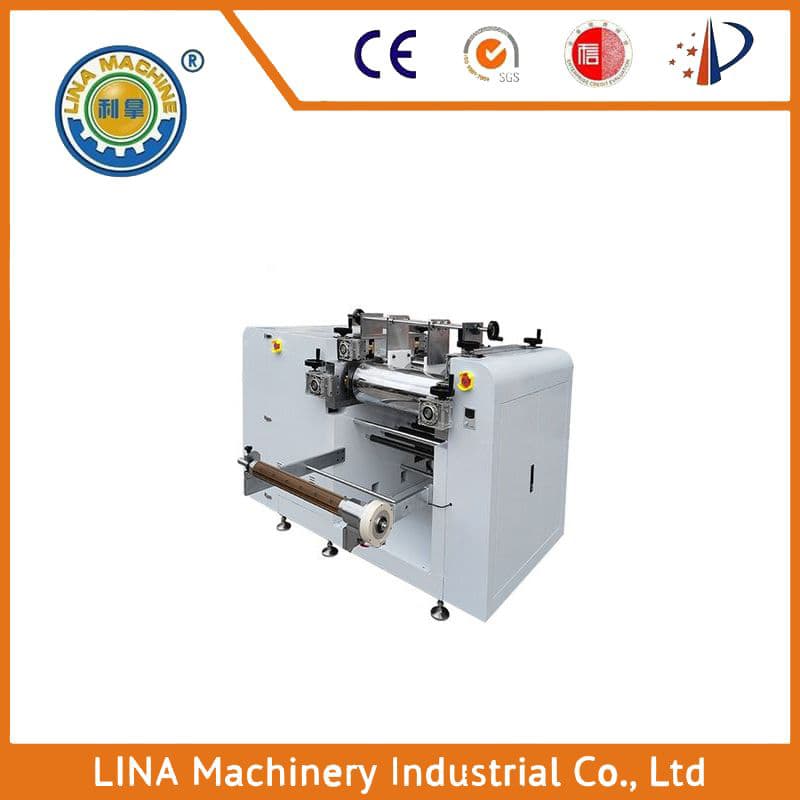
The three-roll mill is a crucial piece of equipment in the rubber industry, used for mixing and extruding rubber compounds. It is an essential tool for producing high-quality rubber products such as tires, hoses, and seals. In this article, we will explore the functions of the three-roll mill, its working principles, and its applications in the rubber industry.
The three-roll mill consists of three rollers that rotate around a central axis. The outer two rollers are fixed while the inner roller is mounted on a shaft that can be rotated. The inner roller is responsible for mixing the rubber compound with the other components, such as carbon black, fillers, and additives. As the inner roller rotates, it pushes the mixture through the gap between the two outer rollers, which helps to evenly distribute the ingredients and create a uniform texture.
One of the key advantages of the three-roll mill is its ability to produce a wide range of rubber products with consistent quality. By adjusting the speed and pressure of the rollers, manufacturers can control the thickness and hardness of the final product. This flexibility allows them to meet the specific needs of different industries, from automotive to construction.
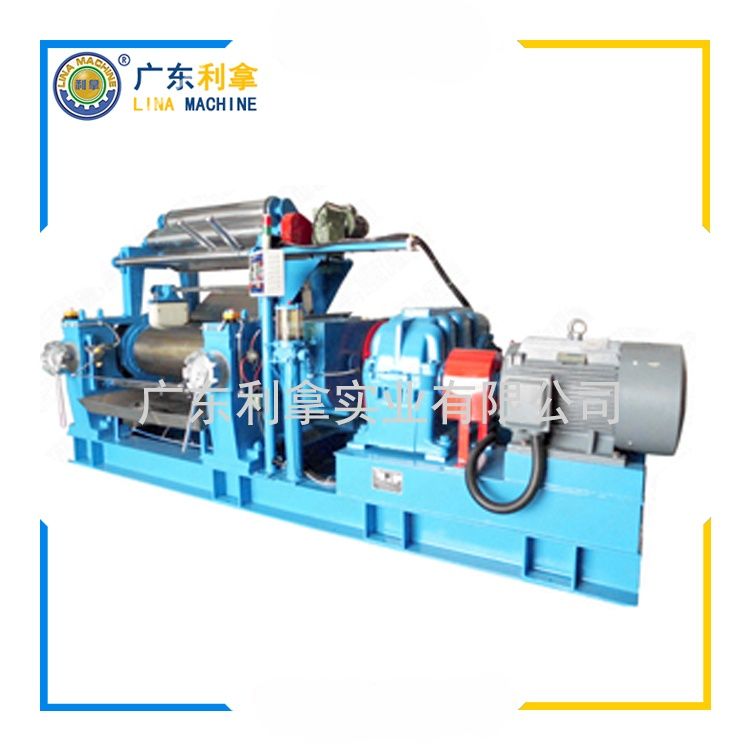
Another important aspect of the three-roll mill is its efficiency. Compared to other mixing methods, such as rotary drums or twin-screw extruders, the three-roll mill has lower energy consumption and produces less waste. This makes it a cost-effective option for small-scale manufacturers and those looking to reduce their environmental impact.
In addition to its practical applications, the three-roll mill also has a rich history in the rubber industry. Its design was inspired by the ancient Greeks who used a similar device to mix wine and water. Today, modern versions of the three-roll mill have evolved into sophisticated machines that can handle complex rubber compounds and achieve high levels of consistency and quality.
1. Three-roll mill
2. Rubber technology
3. Mixing process
4. Quality control
5. Environmental impact
This article provides an in-depth exploration of the role of the three-roll mill in the rubber industry, highlighting its importance in mixing and extruding rubber compounds. We discuss its working principles, applications, and efficiency, as well as its historical significance and modern advancements. By understanding the capabilities of this versatile machine, readers can gain insights into how it contributes to the production of high-quality rubber products and reduces environmental impact.