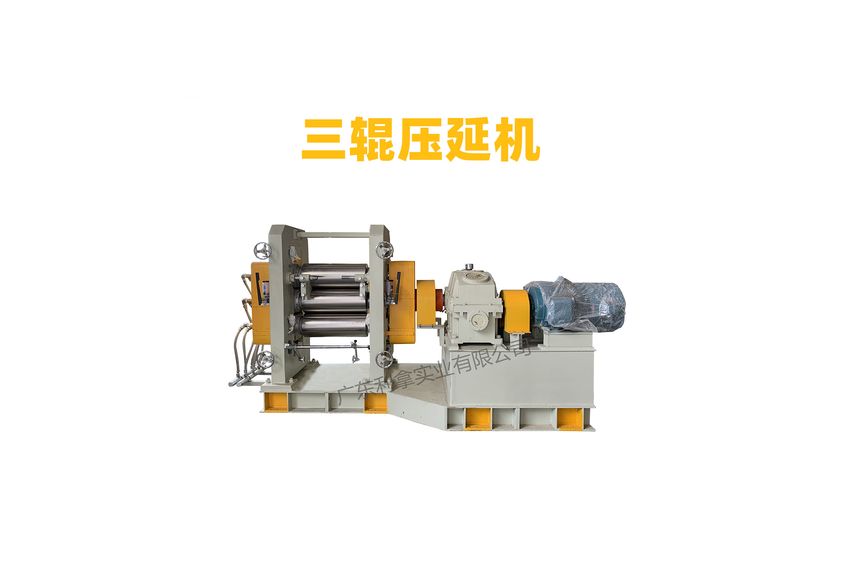
PCM相变化导热硅胶压延机技术革新
The advancement of technology has led to the development of innovative solutions for various industries, including the electronics sector. One such solution is the PCM (Phase Change Material) phase change thermal interface material, which has revolutionized the way we manufacture electronic devices. In this article, we will explore the details of the PCM phase change thermal interface material and its impact on the electronics industry.
The PCM phase change thermal interface material is a unique material that undergoes a phase change from solid to liquid when exposed to heat. This property makes it ideal for use in electronic devices, as it can provide excellent thermal conductivity without causing any damage to the device's circuitry or components. The PCM material is made up of two main components: the PCM itself and a substrate. The PCM is embedded within the substrate, which provides a stable and reliable platform for the material to function properly.
One of the key advantages of using the PCM phase change thermal interface material is its ability to withstand high temperatures. Unlike traditional thermal interface materials, which can degrade or melt at high temperatures, the PCM material remains stable and effective even when exposed to extreme conditions. This makes it ideal for use in harsh environments, such as those found in military applications or industrial settings where temperature fluctuations are common.

Another significant benefit of the PCM phase change thermal interface material is its ability to reduce power consumption. Since the material provides excellent thermal conductivity, it allows for faster heat dissipation from the device, which in turn reduces the amount of power required to operate the device. This not only saves energy but also helps to reduce the device's overall size and weight, making it more portable and convenient for users.
In addition to its benefits for electronic devices, the PCM phase change thermal interface material has also been used in other industries. For example, it has been applied in the automotive industry to improve fuel efficiency by reducing the amount of heat generated by internal combustion engines. Similarly, in the aerospace industry, the PCM material is used to enhance the performance of aircraft engines by providing better thermal management.
Overall, the PCM phase change thermal interface material is a game-changer in the electronics industry, offering unparalleled performance and convenience. As technology continues to advance, we can expect to see even more innovative solutions like this one that will help us achieve greater success in our endeavors.