



The Small-Scale Mixing Machine: A Comprehensive Guide to Its Role and Benefits
The small-scale mixing machine is an essential tool in the manufacturing industry, particularly in the food and beverage sector. This versatile piece of equipment plays a crucial role in homogenizing ingredients, ensuring consistency in product quality, and minimizing waste. In this article, we will delve into the features, benefits, and applications of these compact machines, providing you with a comprehensive understanding of their significance in modern production processes.
Features of Small-Scale Mixers:
1. Portability: Small-scale mixers are designed to be lightweight and easy to move around, making them ideal for use in small workshops or on-site production facilities. They can be easily transported to different locations, making it easier for operators to work on-site without the need for bulky machinery.
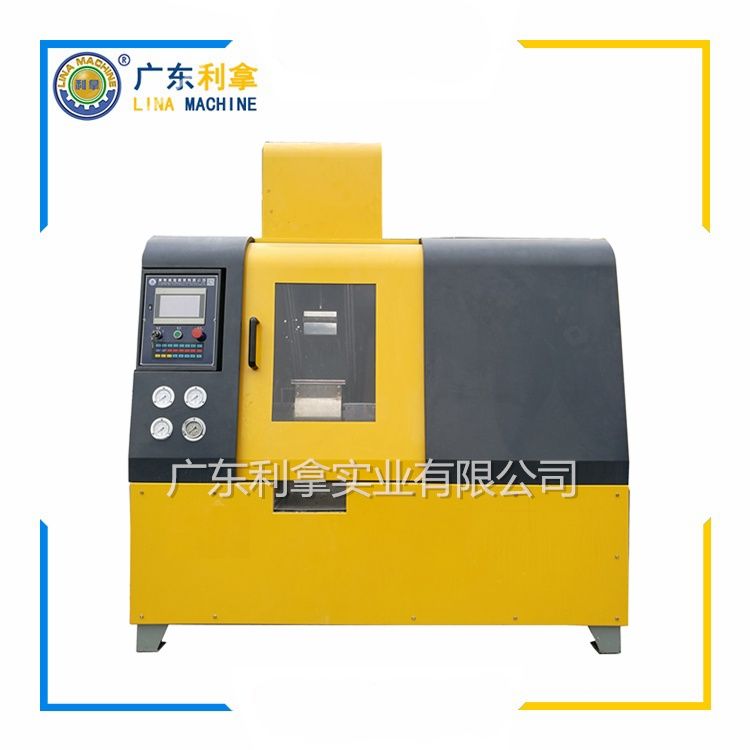
2. Versatility: These mixers come in various sizes and configurations, catering to different needs and applications. They can be used for mixing dry ingredients, liquids, or both, depending on the design and accessories available. Additionally, they can be equipped with specialized attachments such as whisks, blades, or blenders, allowing for more precise mixing operations.
3. Energy Efficiency: Small-scale mixers are designed to consume less energy while still delivering high-quality results. They are often powered by motors that are efficient and durable, reducing downtime and maintenance costs. Additionally, some models feature variable speed controls, allowing operators to adjust the mixing speed according to the specific requirements of the product being produced.
Benefits of Small-Scale Mixers:
1. Cost-Effectiveness: Small-scale mixers offer significant cost savings compared to larger machines. They require fewer parts and are less expensive to maintain, making them a cost-effective investment for small businesses or individuals operating on a tight budget.
2. Product Quality: By using small-scale mixers, manufacturers can ensure consistent product quality throughout the entire production process. This is especially important when working with delicate ingredients or requiring precise mixing ratios. The uniformity in ingredient distribution ensures that the final product meets the desired quality standards.
3. Waste Reduction: Small-scale mixers minimize waste by efficiently utilizing ingredients and minimizing overmixing. This not only reduces the amount of material wasted but also helps to conserve resources and reduce environmental impact.
Applications of Small-Scale Mixers:
1. Food Manufacturing: Small-scale mixers are widely used in the food industry for producing sauces, dressings, and other condiments. They are particularly effective in creating smooth textures and flavors, which are critical for many food products.
2. Beverage Production: In the beverage industry, small-scale mixers are employed in the production of soft drinks, juices, and other carbonated beverages. They help to achieve consistent levels of flavor and carbonation, resulting in a higher quality product.
3. Craft Brewing: For those who enjoy brewing their own beer or spirits, small-scale mixers are an essential tool for achieving consistent results. They enable homebrewers to control the mixing process and produce high-quality batches of their favorite brews.
Conclusion:
In conclusion, small-scale mixers play a vital role in modern manufacturing processes, offering numerous benefits to both businesses and individuals. From cost-effectiveness to product quality, from waste reduction to application flexibility, these versatile machines have become an indispensable part of the industrial landscape. As technology continues to advance, we can expect to see even more innovative designs and features emerging for small-scale mixers, further enhancing their effectiveness and usability in the years to come.