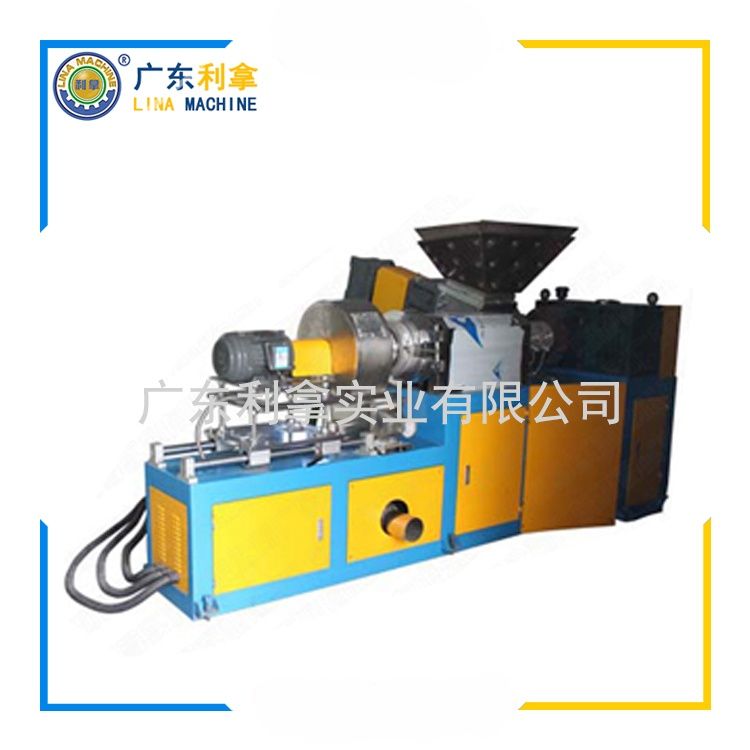
The Double-Stage Pelletizing Machine Production Line
The Double-Stage Pelletizing Machine Production Line is a crucial component in the pharmaceutical, food, and chemical industries. It is designed to process raw materials into high-quality pellets or powders with precise specifications for consistency and quality control. This article will provide an overview of the key components of this production line, its advantages, and how it can improve efficiency and product quality.
The Double-Stage Pelletizing Machine Production Line consists of two main stages: the primary stage and the secondary stage. In the primary stage, the raw material is fed into the machine, where it undergoes a series of processing steps such as drying, grinding, and mixing. The resultant product is then transferred to the secondary stage, where it undergoes further processing steps such as granulation, compaction, and packaging.
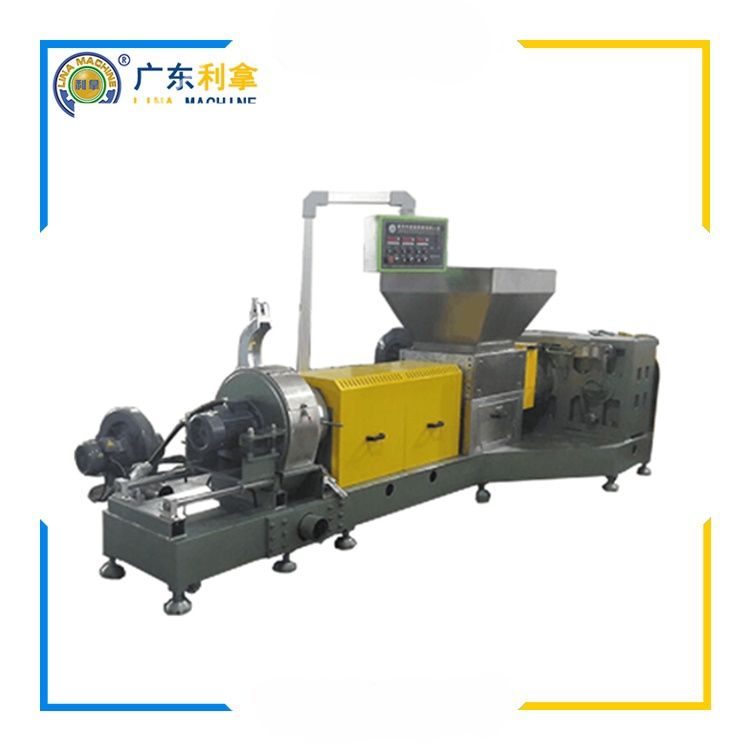
One of the key advantages of the Double-Stage Pelletizing Machine Production Line is its ability to produce high-quality pellets or powders with consistent size and shape. This is achieved through precise control of the processing parameters, such as temperature, pressure, and speed, which ensures that the raw material is evenly processed and does not seize or stick during the granulation process.
Another advantage of this production line is its flexibility and adaptability. It can be easily modified to handle different types of raw materials and produce different products. This makes it ideal for businesses that need to switch between different products or expand their product range.
In addition to its technical advantages, the Double-Stage Pelletizing Machine Production Line also has a positive impact on the environment. By using energy-efficient equipment and reducing waste, it helps to reduce greenhouse gas emissions and minimize environmental pollution.
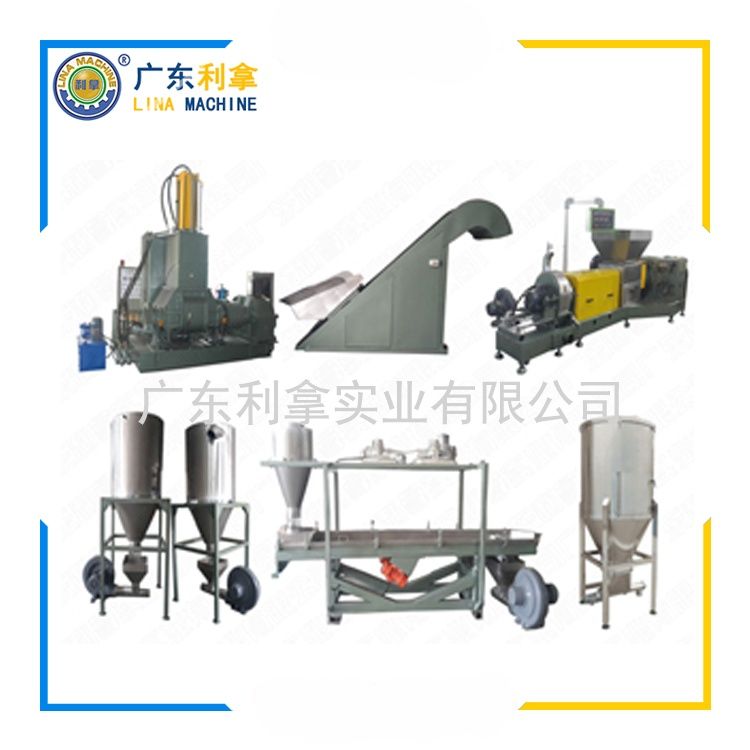
Overall, the Double-Stage Pelletizing Machine Production Line is a valuable tool for any industry that requires the production of high-quality pellets or powders. Its ability to produce consistent results and adapt to different needs makes it an essential component in the modern manufacturing process.