



Title: The Art of Particle For...
Title: The Art of Particle Formation in Ceramic Powder Making
Ceramic powder making is a complex process that involves the creation of fine, uniformly sized particles from raw materials. One of the key tools used in this process is the ceramic powder particle forming machine, also known as a ceramic powder granulator or ceramic powder granulator. In this article, we will explore the various types of ceramic powder particle forming machines and their applications in the ceramic industry.
Ceramic powder particle forming machines are designed to break down large raw materials into small, uniformly sized particles. These machines use various techniques such as ball milling, roller milling, and hammer milling to achieve this goal. Ball mills are one of the most common types of ceramic powder particle forming machines, as they can handle a wide range of raw materials and produce high-quality particles. Roller mills are another popular choice for producing ceramic powder particles, as they offer greater control over the size and shape of the particles produced. Hammer mills are less commonly used in the ceramic industry but can be effective for certain applications.
The type of ceramic powder particle forming machine used will depend on the specific requirements of the ceramic product being produced. For example, if a ceramic material requires a high degree of fineness and uniformity in its particles, a ball mill may be the best option. On the other hand, if a ceramic material needs to be processed quickly and efficiently, a roller mill may be more suitable. In some cases, a combination of different particle forming machines may be necessary to meet all the required specifications.
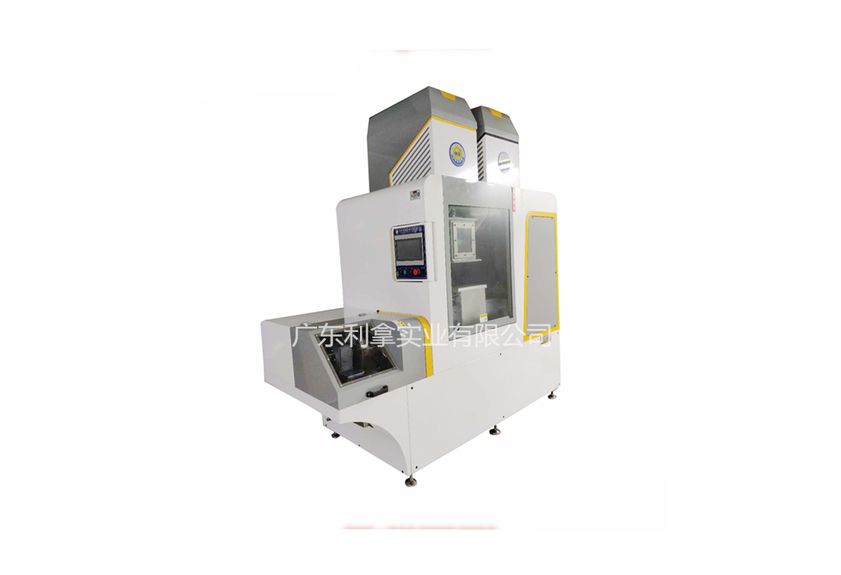
In addition to the type of particle forming machine used, several other factors can influence the quality of the ceramic powder particles produced. These include the temperature and pressure settings of the machine, the amount of water added to the raw materials, and the grinding time. High temperatures and pressures can cause the raw materials to decompose or melt, resulting in unevenly sized particles. Adding too much water can cause the raw materials to become sticky and difficult to grind, while grinding for too long can cause the particles to become too coarse.
To ensure the highest quality ceramic powder particles, it is important to carefully monitor and control these variables during the particle forming process. This includes monitoring the temperature and pressure settings, adjusting the amount of water added, and monitoring the grinding time. Additionally, regular maintenance and cleaning of the particle forming machine can help prevent issues such as wear and tear on the machine parts, which can affect the quality of the particles produced.
In conclusion, ceramic powder particle forming machines play an essential role in the production of high-quality ceramic materials. By carefully selecting the appropriate machine type and controlling the various factors involved in the process, manufacturers can produce ceramic powder particles that meet the specific requirements of their products. As the ceramic industry continues to evolve, there will be new technologies and innovations developed to further improve the quality and efficiency of ceramic powder particle forming processes.