



The Role of Plasticizers in Plastic Extrusion Machinery
Plasticizers are an essential component of plastic extrusion machinery, which is used to process thermoplastic materials into various shapes and sizes. These machines use heat and pressure to melt the raw materials and then shape them into desired products. In this process, plasticizers play a crucial role in enhancing the properties of the final product.
One of the main benefits of using plasticizers in plastic extrusion machinery is their ability to improve the flowability of the material. This means that the material can be more easily processed and molded into desired shapes without jamming or clogging. Additionally, plasticizers can also help to reduce the viscosity of the material, which can lead to faster cooling times and improved mechanical properties.
Another important function of plasticizers in plastic extrusion machinery is their ability to enhance the adhesion between different materials. By reducing the surface tension between the polymer chains, plasticizers can create a more uniform and cohesive bond between the material and its surroundings. This can lead to better adhesion during processing and ultimately result in stronger and more durable products.
In addition to these benefits, plasticizers can also help to improve the overall quality of the final product. For example, they can reduce the occurrence of cracks and voids, which can occur when the material is subjected to high temperatures or pressure. This can lead to more consistent and reliable results, as well as improved aesthetic appeal.
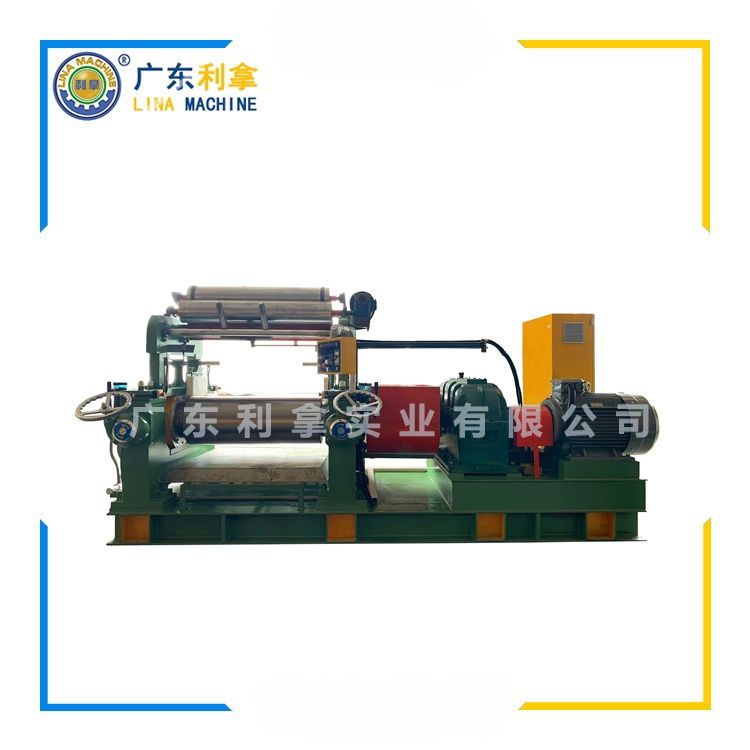
Overall, plasticizers play a critical role in the operation of plastic extrusion machinery. By improving the flowability, viscosity, adhesion, and overall quality of the material, plasticizers can help to ensure that the final product meets all necessary standards and specifications. As such, they are an essential component of any modern plastic processing facility.