The Art of Rubber Making: An Introduction to Rubber Processing Machines
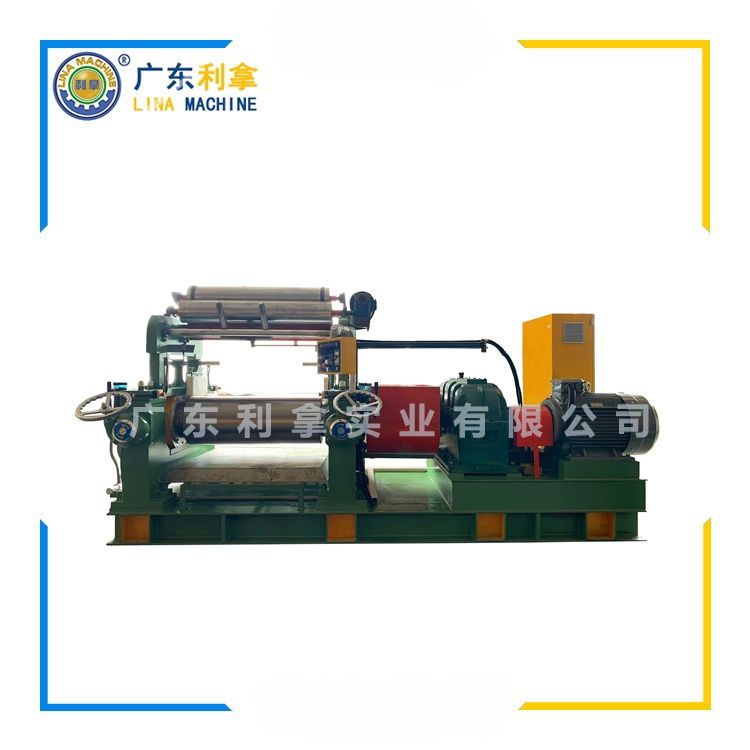
In the realm of rubber production, the process of rubber mixing is a critical step that ensures the quality and consistency of the final product. This process is typically carried out using rubber processing machines, which are designed to handle the complex chemical reactions involved in the mixing of raw materials into a homogeneous mixture known as vulcanized rubber.
One of the most important aspects of these machines is their ability to precisely control the temperature and pressure during the mixing process. This is crucial because it allows for the precise adjustment of the chemical composition of the rubber, ensuring that it meets specific performance requirements. Additionally, modern rubber processing machines are equipped with advanced sensors and control systems that allow for real-time monitoring and adjustment of the process parameters, further enhancing the efficiency and accuracy of the manufacturing process.
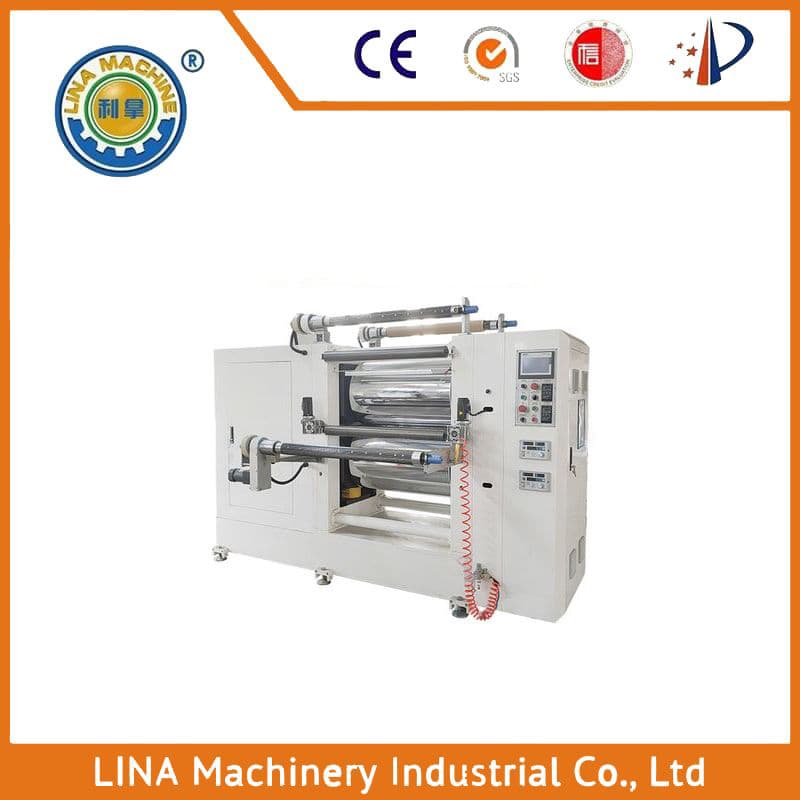
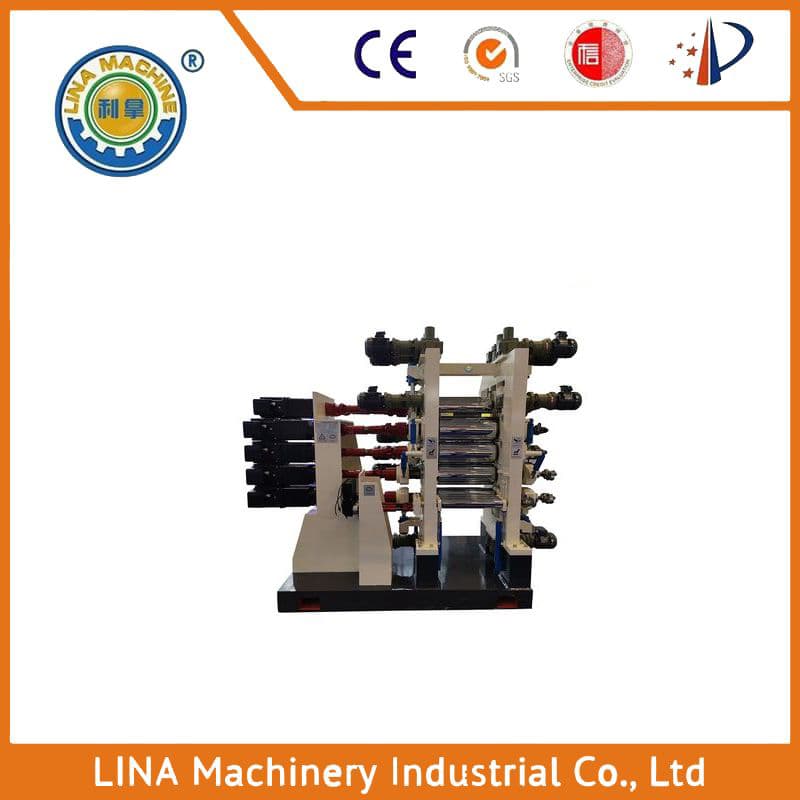
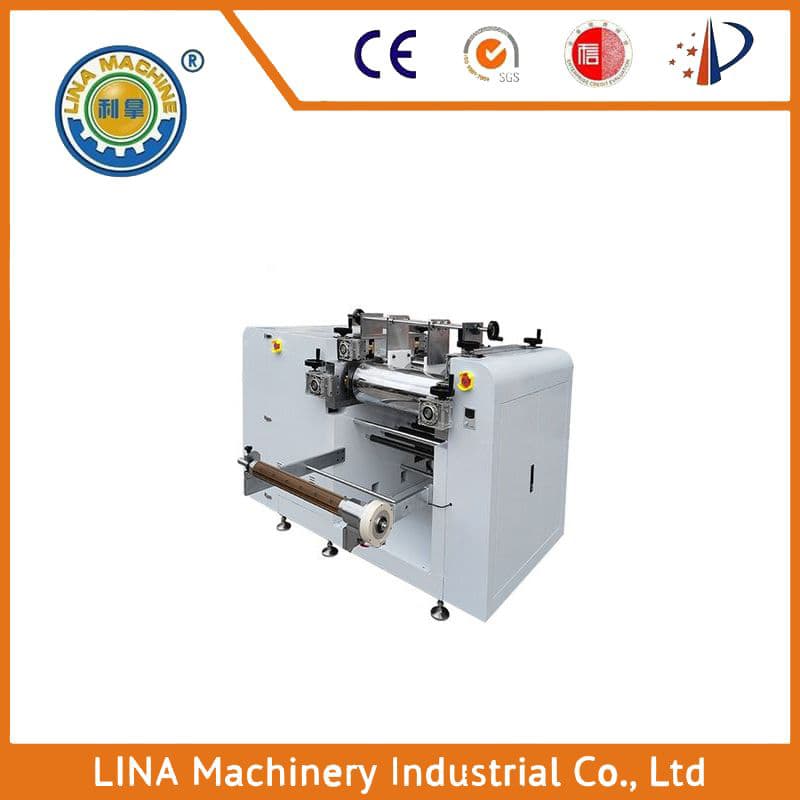
Another key feature of these machines is their ability to handle a wide range of raw materials, including natural rubber and synthetic rubber compounds. This flexibility allows for the production of a variety of products, from everyday household items to high-performance industrial components. As such, the choice of machine depends on the specific needs of the end user, ranging from small-scale home workshops to large-scale industrial facilities.
In conclusion, rubber processing machines play a vital role in the manufacturing industry by enabling the accurate and efficient production of vulcanized rubber products. By leveraging their advanced technology and capabilities, manufacturers can produce high-quality products that meet the demands of a diverse range of applications.