
Article Title: The Art of Mixi...
Article Title: The Art of Mixing: An Insight into the World of Mixing Machines
Introduction

Mixing machines are an essential part of many industries, from food processing to pharmaceutical manufacturing. They play a crucial role in blending, kneading, and mixing various substances to achieve desired consistency and quality. In this article, we will explore the different types of mixing machines available, their applications, and how they contribute to our daily lives.
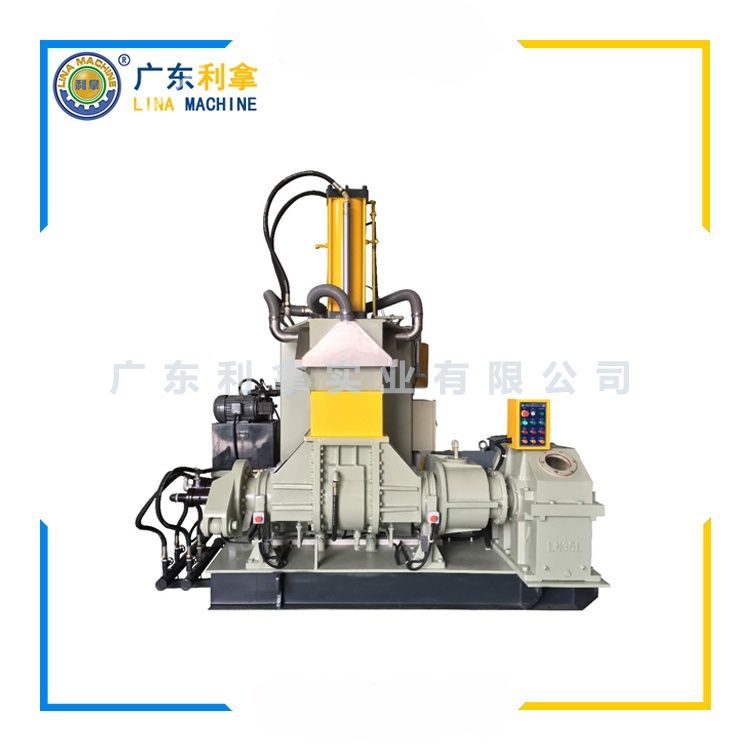
Different Types of Mixing Machines
There are several types of mixing machines, each with its unique features and capabilities. Here are some of the most common types:
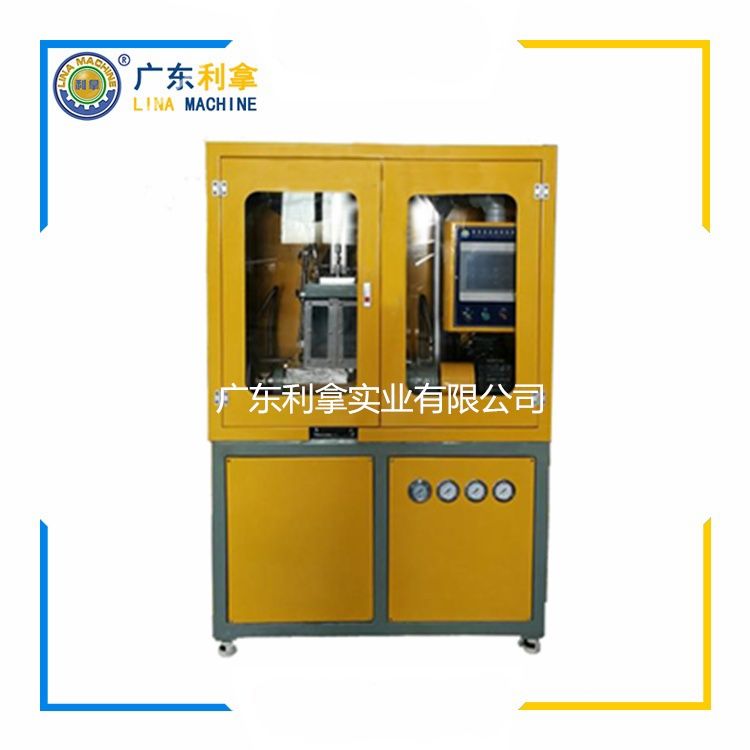
#1. Homogenizers
Homogenizers are used for homogenizing liquids and gases, ensuring uniform distribution of ingredients. They work by rapidly shaking or stirring the mixture, which helps break down any air bubbles and promotes even mixing.
#2. Kneaders
Kneaders are used for mixing dough, batters, and other sticky materials. They have a rotating drum that applies pressure and friction to the material, breaking it down and creating a smooth texture.
#3. Extruders
Extruders are used for shaping and forming materials like plastics, rubber, and metal. They consist of a barrel filled with molten material, which is forced through a die to create a continuous thread or tube.
#4. Mills
Mills are used for grinding and crushing materials. They come in various sizes and can be manual or automated, depending on the application.
#5. Stirrers
Stirrers are used for mixing liquids and solids, such as in chemical reactions or brewing. They have a rotating impeller that mixes the ingredients thoroughly.
Applications of Mixing Machines
Mixing machines are used in various industries to achieve specific goals. Some of the common applications include:
#1. Food Processing
Mixing machines are essential in the food industry for preparing sauces, dressings, and other condiments. They help ensure that ingredients are evenly mixed and distributed, resulting in consistent quality.
#2. Pharmaceutical Manufacturing
In the pharmaceutical industry, mixing machines are used to prepare drugs, vaccines, and other medical products. They ensure that the ingredients are properly mixed and combined to produce high-quality products.
#3. Textile Industry
Mixing machines are used in the textile industry to blend yarns, fabrics, and other materials. They help create uniform textures and colors, making it easier to produce high-quality clothing and textiles.
#4. Automotive Industry
In the automotive industry, mixing machines are used to prepare paints, coatings, and other materials. They ensure that the ingredients are evenly mixed and combined to produce high-quality finishes.
How Mixing Machines Contribute to Our Daily Lives
Mixing machines play a crucial role in our daily lives, from preparing meals to producing high-quality products. By using these machines, we can achieve better results and improve the quality of our work and life.
In conclusion, mixing machines are an essential tool in many industries, from food processing to pharmaceutical manufacturing. They help achieve consistent quality and consistency in various applications. By understanding the different types of mixing machines and their applications, we can make informed decisions about how to use them in our daily lives.