
The Art of Rubber Extrusion Filtering Machines
The rubber industry is a complex and dynamic sector, with the production of high-quality rubber products being crucial for various industries. One of the key processes in this industry is the extrusion process, which involves the creation of rubber sheets or tubes by forcing molten rubber through a die. However, during this process, impurities such as air bubbles, dust, and other foreign particles can enter the final product, affecting its quality and performance. To address this issue, rubber extruders use filters to remove these impurities from the molten rubber before it exits the die. This article will discuss the different types of rubber extruder filters available and their benefits.
One type of filter used in rubber extrusion is the mechanical filter. These filters consist of a series of screens that trap air bubbles and other foreign particles as they pass through the filter. Mechanical filters are simple to install and operate, but they require frequent maintenance to ensure optimal performance. Another type of filter is the electrostatic precipitator, which uses an electric field to attract and capture airborne particles. This type of filter is more effective at removing fine particles, but it requires additional electrical equipment and may be more expensive than mechanical filters.
In addition to mechanical and electrostatic filters, there are also chemical filters that use chemicals to remove impurities from the molten rubber. These filters work by reacting with the impurities and forming a stable compound that can be easily separated from the molten rubber. Chemical filters are more effective at removing certain types of impurities, but they require careful selection of the chemicals used and monitoring of the reaction conditions.
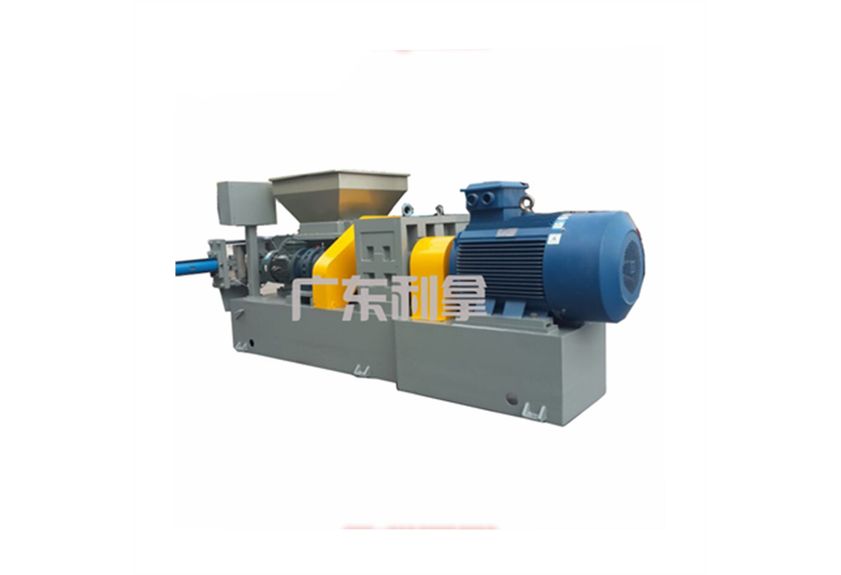
Overall, choosing the right type of rubber extruder filter depends on the specific needs of the rubber manufacturer. For small-scale operations or those producing low-volume batches, mechanical or electrostatic filters may suffice. However, for larger-scale production or those requiring high-quality finished products, chemical filters may be necessary. By carefully selecting the right filter for their particular application, rubber manufacturers can ensure that their products meet the highest standards of quality and performance.