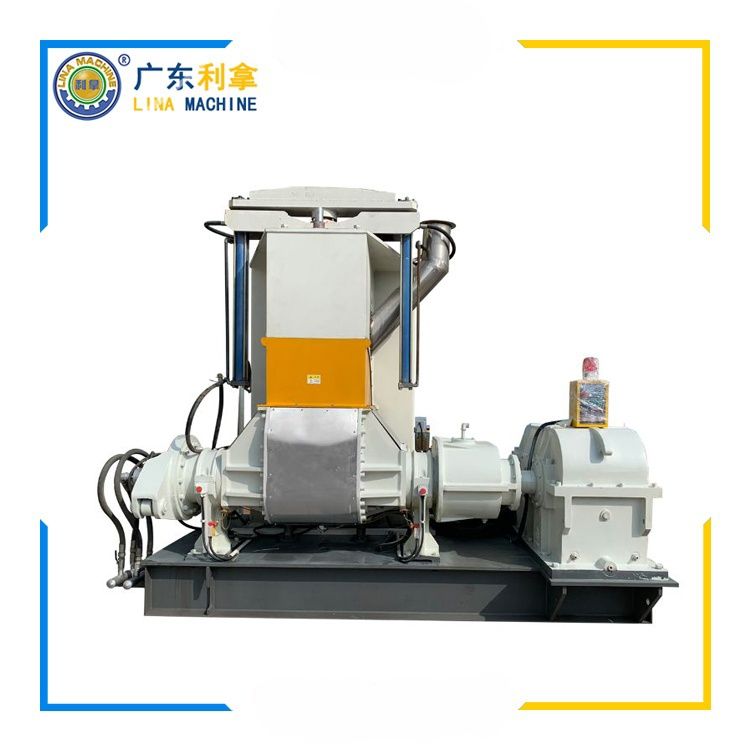
The Art of Rubber Mastication - An Insight into the World of Rubber Processing Machines
The rubber industry is a vital component of modern society, with its products ranging from everyday items like shoes and tires to high-tech applications in automotive, aerospace, and medical devices. One crucial step in the rubber manufacturing process is the mastication stage, where rubber compounds are processed into a homogeneous mass that can be molded into various shapes. This stage is performed using a specialized machine called a rubber masticator, also known as a rubber extruder or rubber mixer.
A rubber masticator is a complex piece of machinery designed to mix, knead, and heat-treat rubber compounds. It consists of several components, including a hopper for holding raw materials, a screw extruder for mixing the rubber, a die for shaping the compound into desired shapes, and a cooling system for removing excess heat and preventing premature curing. The masticator operates at high temperatures and pressures, which require precise control over the temperature and speed of the screw to achieve optimal results.
One of the key benefits of using a rubber masticator is its ability to produce a uniform and consistent rubber compound. By controlling the temperature and mixing time, the masticator ensures that each batch of rubber is tailored to meet specific requirements, such as tensile strength, flexibility, and compression set. This consistency is essential for creating durable and reliable products that meet the needs of both consumers and industry professionals.
In addition to its technical capabilities, the rubber masticator also plays a crucial role in the overall efficiency of the rubber processing plant. By reducing the time and effort required to produce raw rubber compounds, the masticator can significantly increase production capacity and reduce costs. This is particularly important in industries where raw rubber prices fluctuate rapidly, as it allows businesses to maintain profitability even during periods of economic uncertainty.
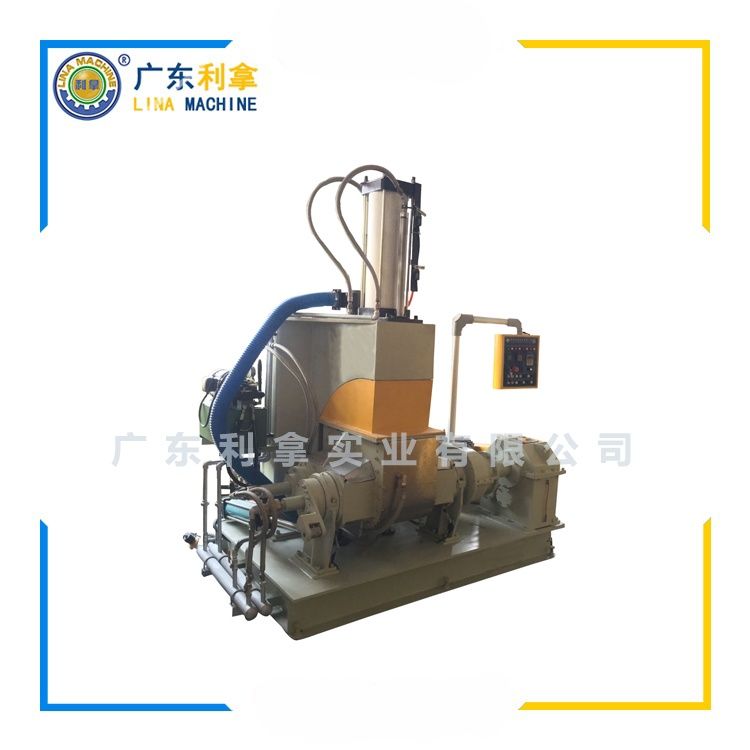
Another advantage of using a rubber masticator is its ability to handle a wide range of rubber compounds, including natural and synthetic rubbers. This flexibility enables manufacturers to tailor their products to meet specific end-use requirements, such as wear resistance, impact strength, or electrical insulation. By incorporating advanced technologies and sensors into the masticator, manufacturers can further enhance its capabilities and optimize its performance.
In conclusion, the rubber masticator is a critical component of the rubber processing industry, providing essential tools for producing consistent and high-quality rubber compounds. Its ability to handle a wide range of rubber compounds, coupled with its technical capabilities and efficiency, makes it an indispensable tool for businesses looking to expand their product offerings and remain competitive in today's market. As the demand for sustainable and eco-friendly materials continues to grow, the importance of investing in advanced rubber processing technologies like the rubber masticator will only continue to rise.