
The Integration of Oak and Plastic in Composite Granulation Production Lines
The production line for composite granulation is a crucial step in the manufacturing process of various materials, including plastics and wood products. This article will explore the integration of oak and plastic in this production line, highlighting its advantages and potential challenges.
Firstly, the integration of oak and plastic in the composite granulation production line has several advantages. One of the main benefits is that it allows for the creation of high-quality products with superior strength and durability. By combining the properties of both materials, manufacturers can produce products that are more resistant to wear and tear, making them ideal for outdoor applications such as furniture, flooring, and construction materials.

Another advantage of this integration is that it reduces waste and improves efficiency. By using a single material for both the core and the cover of the granulated product, manufacturers can eliminate the need for separate processing steps, which can save time and resources. Additionally, the use of recycled materials in the production line can further reduce waste and promote sustainability.
However, there are also some challenges associated with the integration of oak and plastic in the composite granulation production line. One of the main concerns is the compatibility between the two materials. While they may be able to work together in certain applications, there may be issues with adhesion or other physical properties that require additional processing steps to ensure optimal performance.
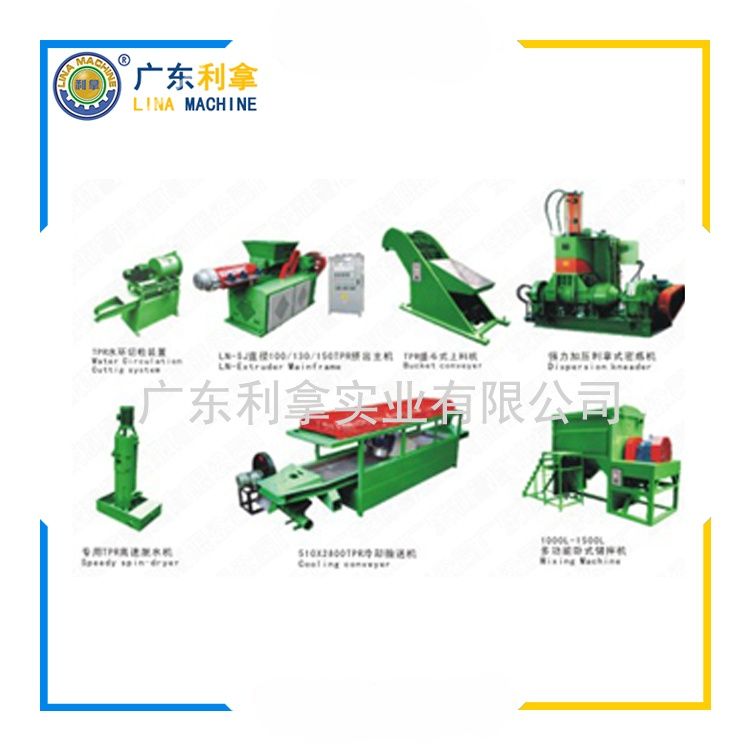
Another challenge is the cost of integrating these two materials into the production line. The cost of purchasing and processing oak and plastic separately may be higher than integrating them into one system. Therefore, manufacturers must carefully evaluate the benefits and costs of integrating these materials before deciding whether it is worth implementing this technology.
In conclusion, the integration of oak and plastic in the composite granulation production line has several advantages, including improved quality, reduced waste, and increased efficiency. However, there are also some challenges associated with this integration, such as compatibility and cost. Manufacturers must carefully consider these factors before deciding whether to integrate oak and plastic into their production lines.