The Role of Thin Film Rolling Machines in Manufacturing
Thin film rolling machines are essential tools in the manufacturing industry, particularly in the production of thin films and coatings. These machines are designed to apply a uniform layer of material onto a substrate, often with high precision and minimal waste. In this article, we will explore the different types of thin film rolling machines, their applications, and some tips for using them effectively.
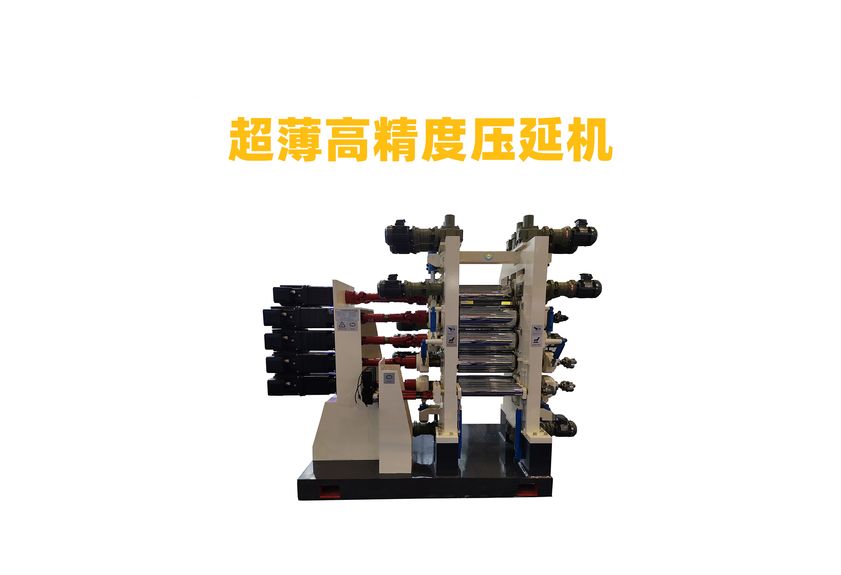
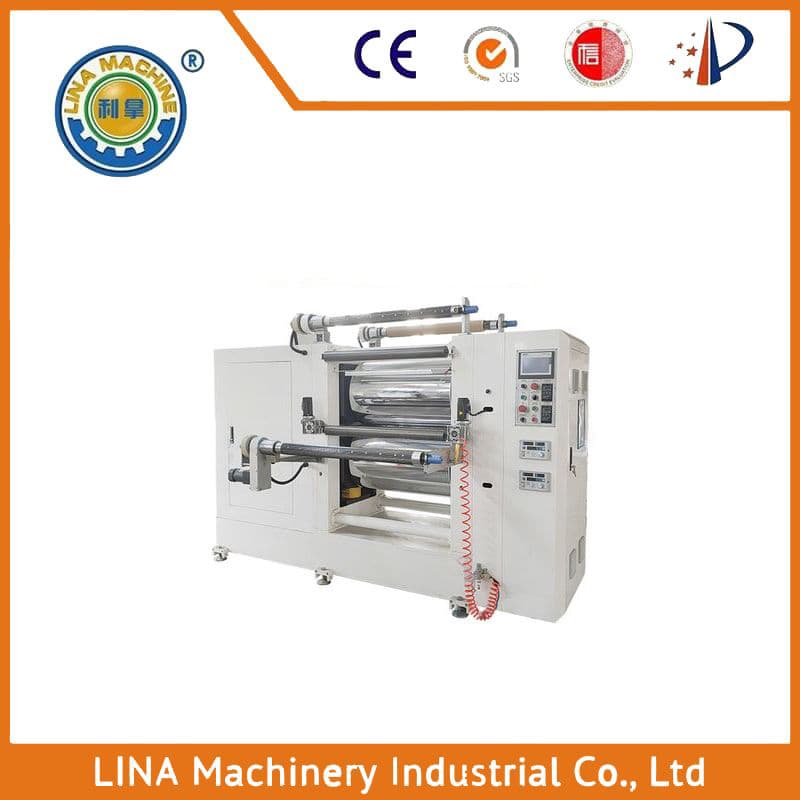
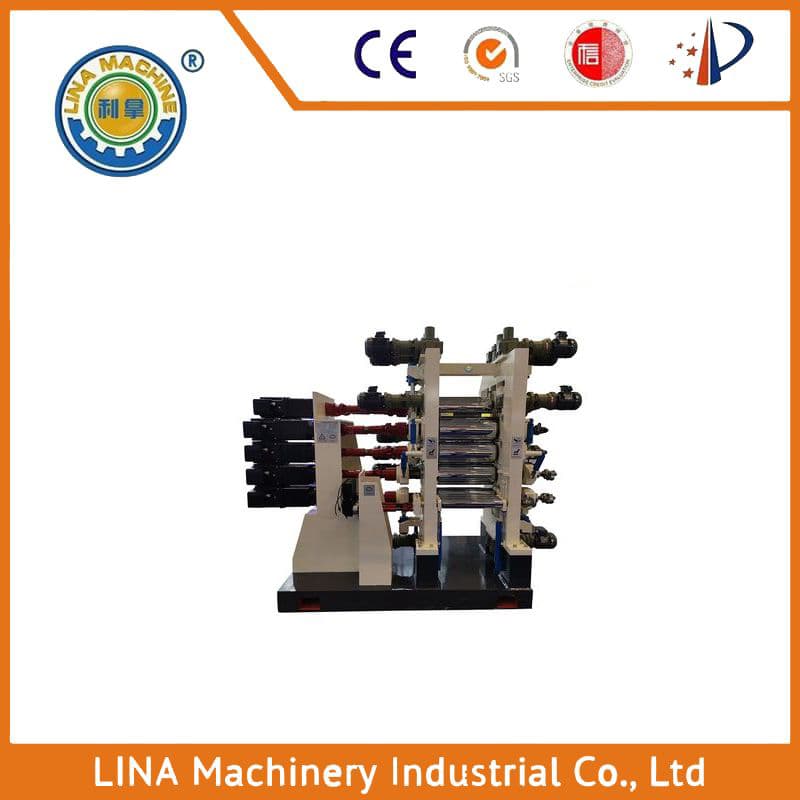
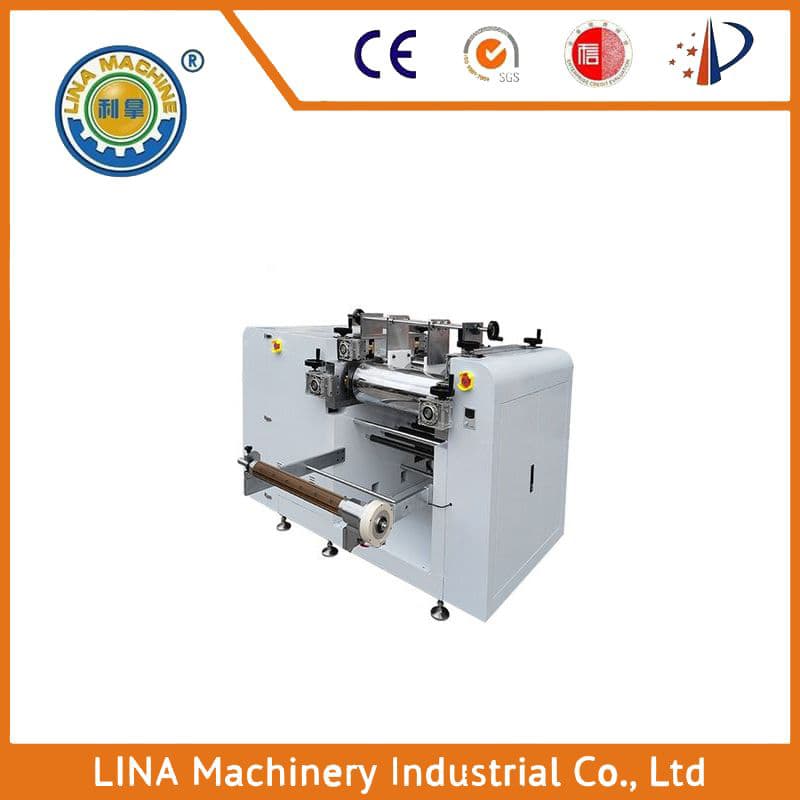
There are several types of thin film rolling machines, each with its own unique features and capabilities. One common type is the rotary roller machine, which uses a rotating roller to apply a thin film onto a substrate. Another type is the curtain roll machine, which uses a curtain-like structure to spread the material evenly across the substrate. There are also specialized machines for applying coatings such as paint or varnish, as well as those used for depositing metals or other materials.
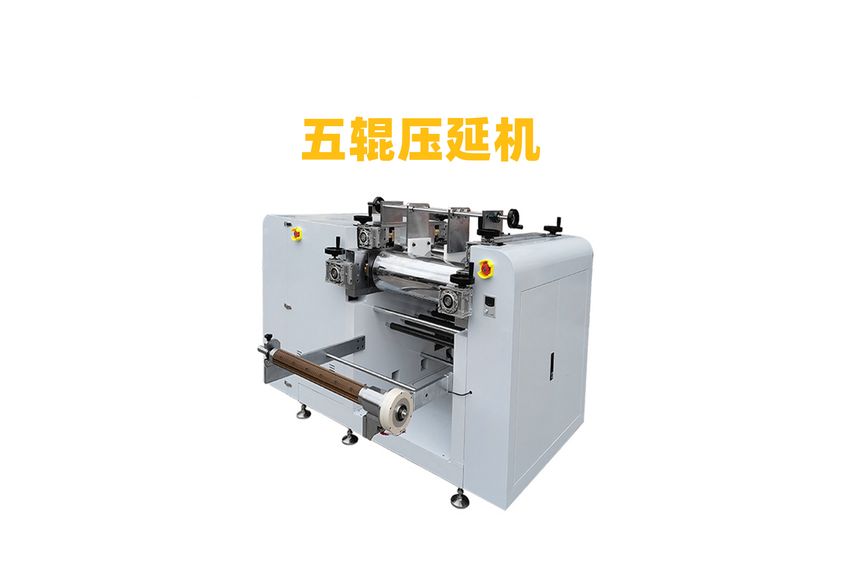
One of the key applications of thin film rolling machines is in the production of electronic devices. Thin films are often used in the manufacturing of semiconductors, display screens, and other electronic components. By using thin film rolling machines, manufacturers can achieve high levels of accuracy and consistency in their production processes, leading to more reliable and efficient products.
When using thin film rolling machines, it is important to follow proper procedures and techniques to ensure optimal results. For example, it is essential to clean the substrate and roller before starting the process to remove any contaminants that could affect the quality of the film. Additionally, it is important to monitor the temperature and pressure settings during the application process to ensure that the material is being applied evenly and without damage.
In conclusion, thin film rolling machines play an important role in the manufacturing industry, particularly in the production of thin films and coatings. By understanding the different types of machines available and following proper procedures and techniques, manufacturers can achieve high levels of accuracy and consistency in their production processes, leading to more reliable and efficient products.