



The Art of Molding Machines: Understanding the Power of Plastic Forming
In the realm of industrial machinery, molding machines stand as the backbone of many manufacturing processes. These versatile tools are responsible for shaping and shaping plastics into a variety of products, from household goods to high-tech devices. But what exactly is a molding machine? And how does it work? Let's delve into the world of plastic forming and explore the intricacies of these powerful machines.
At its core, a molding machine is a device that uses heat and pressure to create precise shapes within a plastic material. This process involves feeding the raw material into the machine, which then applies heat to melt the plastic and pushes it through a die or mold. As the plastic cools and solidifies, it takes on the shape of the mold, creating a product with consistent quality and precision.
The process of molding can be broken down into several key stages. First, the raw material is heated to a temperature at which it becomes malleable enough to be molded. This stage is often referred to as "hot-melt" or "hot-forming." Once the material is hot, it is then fed into the mold, where it begins to take on the desired shape.
Next, the mold is closed and the pressure is applied. This stage is known as "cold-setting," and it is where the final shape of the product is determined. The pressure is maintained until the material has fully solidified, at which point the mold is opened and the finished product is removed.
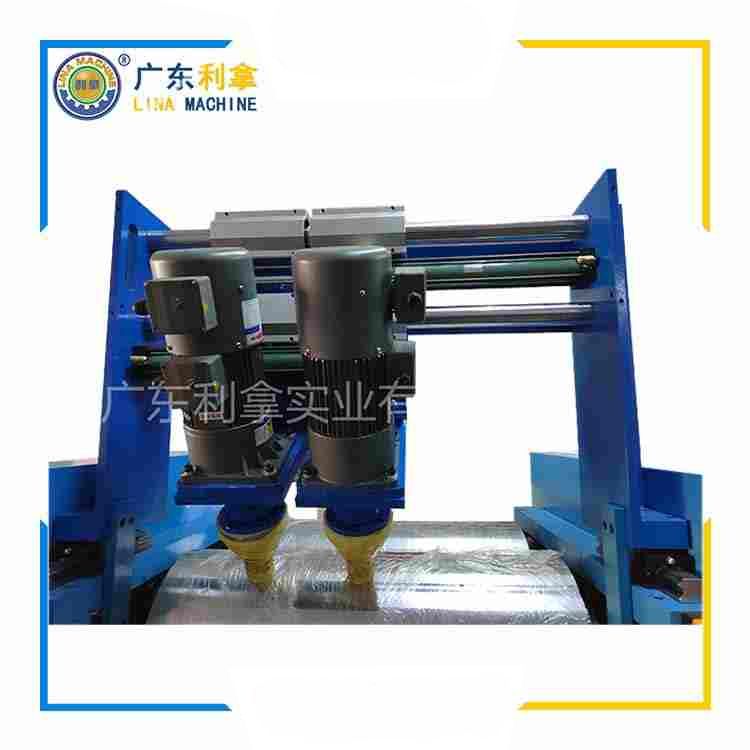
Molding machines come in a variety of sizes and types, each designed to handle different applications and materials. Some are manual, while others are automated, with robotic arms and sophisticated control systems. The choice of machine depends on the complexity of the product being produced, the volume of production required, and the budget available.
One of the key advantages of molding machines is their ability to produce parts with high accuracy and consistency. By using computer-controlled software, operators can precisely set parameters such as temperature, pressure, and speed, ensuring that every part meets the same standards. This not only saves time but also reduces waste and increases efficiency.
In addition to their practical applications, molding machines have become an essential tool in the world of engineering and design. They allow engineers to create complex shapes and structures that would be impossible to manufacture using traditional methods. For example, the automotive industry relies heavily on molding machines to produce parts like engines, body panels, and interior components.
As we move forward into the future, molding machines will continue to evolve and improve. With advancements in technology, we can expect more efficient and flexible machines that can handle even the most challenging materials and designs. Whether you're a small business owner looking to start your own manufacturing venture or a large corporation seeking to streamline your production process, investing in a molding machine can be a game-changer.