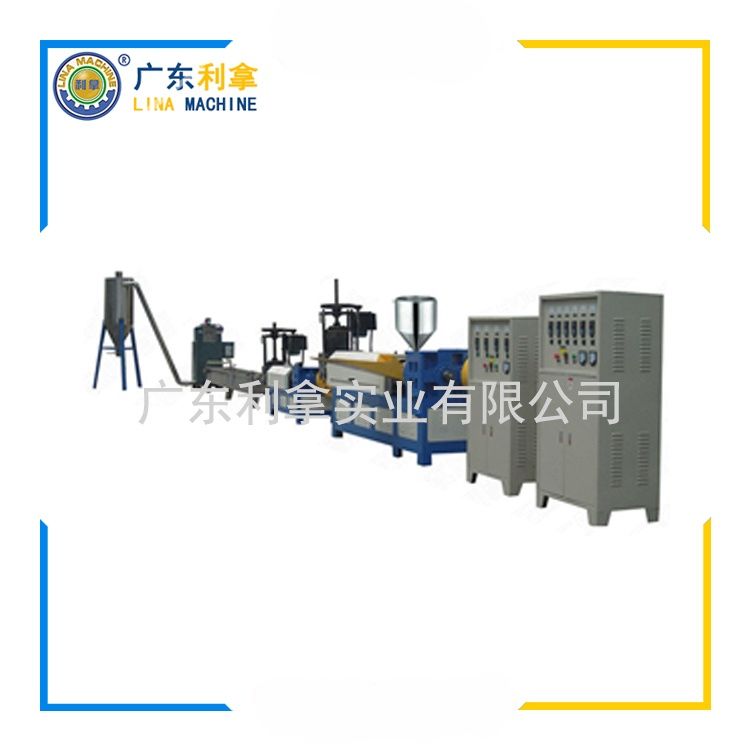
The Extrusion Molding Machine for Cables and Wires
In the world of electrical engineering, the production of high-quality cables and wires is a crucial aspect of ensuring reliable power transmission. One of the key processes involved in this process is the extrusion molding machine, which plays a pivotal role in shaping the final product. This article will delve into the details of this machine, its functions, and how it contributes to the overall quality of the finished product.
The extrusion molding machine is a specialized piece of equipment that is used to create wires and cables by extruding molten plastic or metal through a die. This process involves feeding the raw material into the machine, which then heats and presses it into a desired shape using high-pressure air or water. Once the material has been formed, it is cooled down and solidified, resulting in a finished product with consistent dimensions and properties.
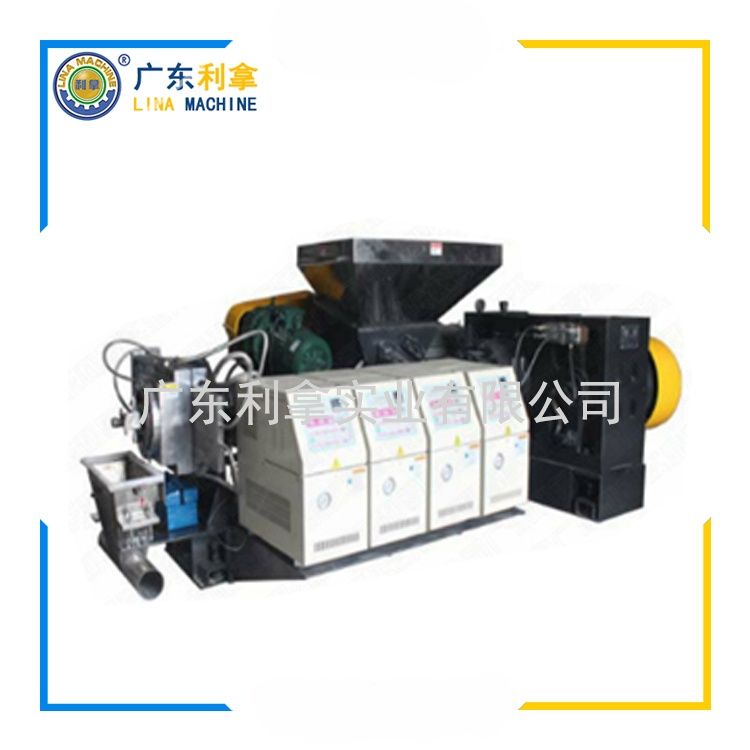
One of the main benefits of using an extrusion molding machine is the ability to produce wires and cables with high precision and consistency. By controlling the temperature and pressure of the process, manufacturers can ensure that their products meet specific standards and requirements. Additionally, this machine allows for the creation of complex shapes and designs, making it ideal for producing customized products.
Another important aspect of the extrusion molding machine is its ability to handle a wide range of materials. From copper and aluminum to plastics and rubber, this machine can be configured to work with a variety of raw materials, enabling manufacturers to tailor their products to meet specific needs. This flexibility makes it a popular choice for industries that require customizable solutions.
In conclusion, the extrusion molding machine is a critical component of the manufacturing process for wires and cables. Its ability to produce high-quality products with precision and consistency makes it essential for any manufacturer looking to produce reliable electrical components. By understanding the various functions and capabilities of this machine, manufacturers can optimize their production processes and achieve greater success in the industry.