



Advanced Techniques in Powder Metallurgy: Understanding the Importance of Vacuum Mold Pressing Machines
In the realm of advanced manufacturing techniques, powder metallurgy (PM) stands out as a revolutionary process that has transformed the way materials are processed. The use of vacuum mold pressing machines is one of the key processes in PM, enabling the creation of complex shapes and high-performance components with minimal waste. This article delves into the importance of vacuum mold pressing machines in PM and explores their role in achieving optimal material properties.
At its core, vacuum mold pressing involves the use of a vacuum chamber to remove air from the mold cavity during the compaction process. This creates a low-pressure environment that allows for efficient compaction of the powdered metal. The resulting green compact is then subjected to heat treatment to achieve the desired physical and mechanical properties.
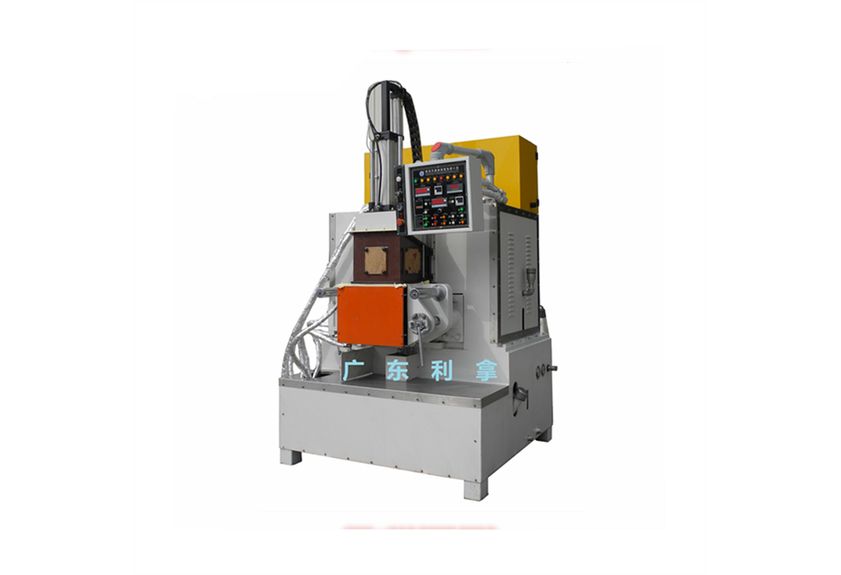
One of the key benefits of vacuum mold pressing is its ability to produce parts with superior surface finish and reduced porosity. This is achieved by minimizing the amount of gas trapped within the compact, which can lead to better bonding between the powder particles and the substrate. Additionally, vacuum mold pressing enables the use of finer powders and higher compaction pressures, leading to increased density and strength.
Another advantage of vacuum mold pressing is its ability to produce complex shapes with minimal tooling. This is because the compaction process can be easily adjusted to create different geometries, making it ideal for applications where precise shape control is required. Furthermore, vacuum mold pressing can be used to produce parts with a wide range of materials, including metals, ceramics, and composites.
Despite its many advantages, there are some challenges associated with vacuum mold pressing. One of the main challenges is maintaining consistent pressure and temperature during the compaction process. This requires careful monitoring and adjustment of the equipment to ensure optimal results. Additionally, vacuum mold pressing can be time-consuming and expensive, particularly for larger parts or complex geometries.
In conclusion, vacuum mold pressing is an essential process in powder metallurgy that enables the creation of high-performance parts with superior surface finish and reduced porosity. Its ability to produce complex shapes and a wide range of materials makes it a valuable tool for modern manufacturing industries. As technology continues to advance, we can expect to see even more innovative applications of vacuum mold pressing in the future.