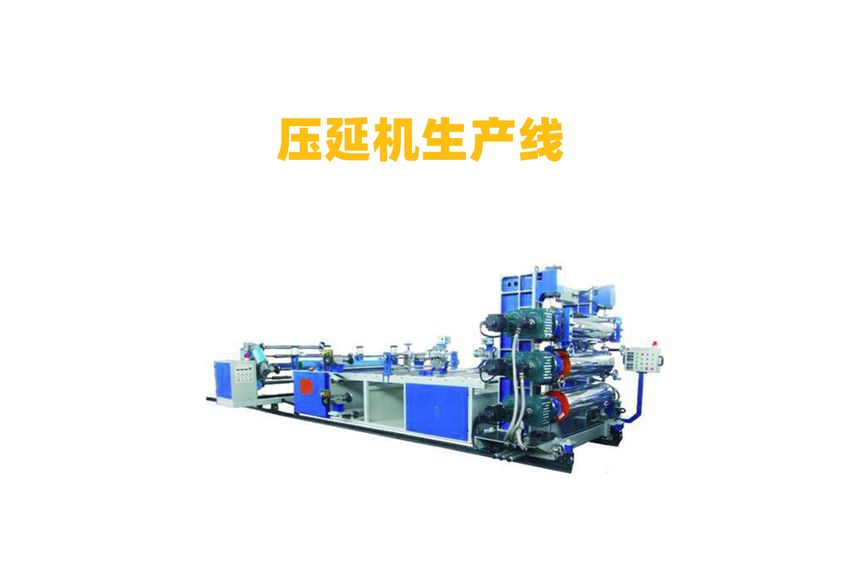
The Evolution of Foamed Silica Gel Pressing Production Lines
The foamed silica gel pressing production line is a crucial component in the manufacturing industry, particularly in the field of electronics and packaging. This article will provide an overview of the development of this line, its components, and its impact on the industry.
The foamed silica gel pressing production line is a complex system that involves several stages of processing. At the beginning, raw materials such as silicon dioxide are mixed with additives to create a homogeneous mixture. This mixture is then poured into a mold and subjected to high pressure to form a solid block. Once the block is formed, it is cooled down and cut into desired shapes.
The foamed silica gel pressing production line has undergone significant improvements over the years. In the early days, the process was labor-intensive and time-consuming, requiring skilled workers to operate the machinery. However, with the introduction of automation and robotics, the process has become more efficient and cost-effective.

One of the key innovations in the foamed silica gel pressing production line is the use of computer-controlled machines. These machines can perform multiple tasks simultaneously, reducing the need for human intervention and increasing productivity. Additionally, these machines can be programmed to produce different types of foamed silica gel blocks, allowing for greater flexibility in the production process.
Another important aspect of the foamed silica gel pressing production line is the use of advanced materials. As technology advances, new materials are being developed that can withstand higher temperatures and pressures, making them ideal for use in the production of foamed silica gel blocks. Additionally, these materials are often lightweight and easy to handle, further enhancing the efficiency of the production process.
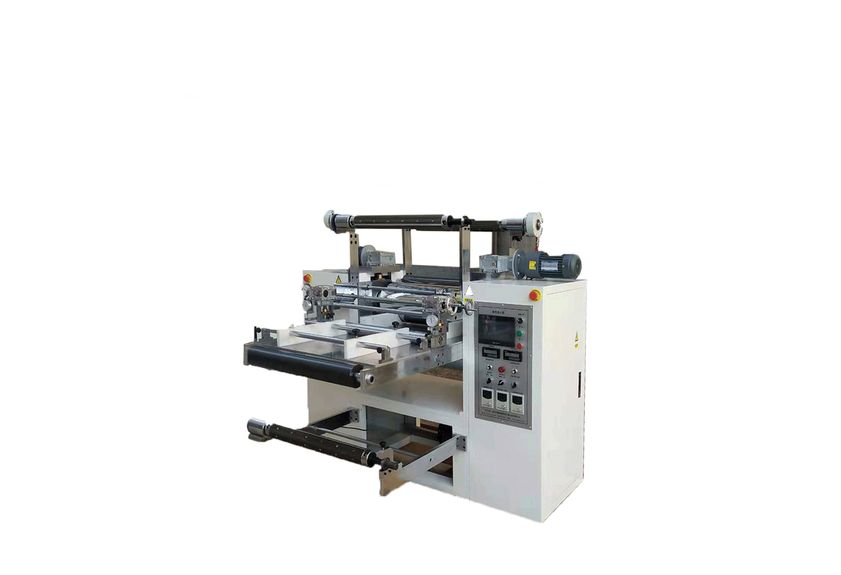
In conclusion, the foamed silica gel pressing production line has come a long way since its inception. With advancements in automation, computer control, and materials science, the future looks bright for this industry. As we continue to push the boundaries of technology, we can expect even more innovative solutions to emerge, leading to even greater efficiency and cost savings in the manufacturing industry.