



The Art of the Pulverizer: A Closer Look at the Grinder
The pulverizer, also known as a grinder or mill, is an essential tool in the food and pharmaceutical industries. Its purpose is to break down large particles into smaller ones, making them easier to mix with other ingredients or to be used in various applications. In this article, we will explore the different types of pulverizers, their uses, and some tips for maintaining their efficiency.
Types of Pulverizers:
There are several types of pulverizers, each designed for specific purposes. Here are a few examples:
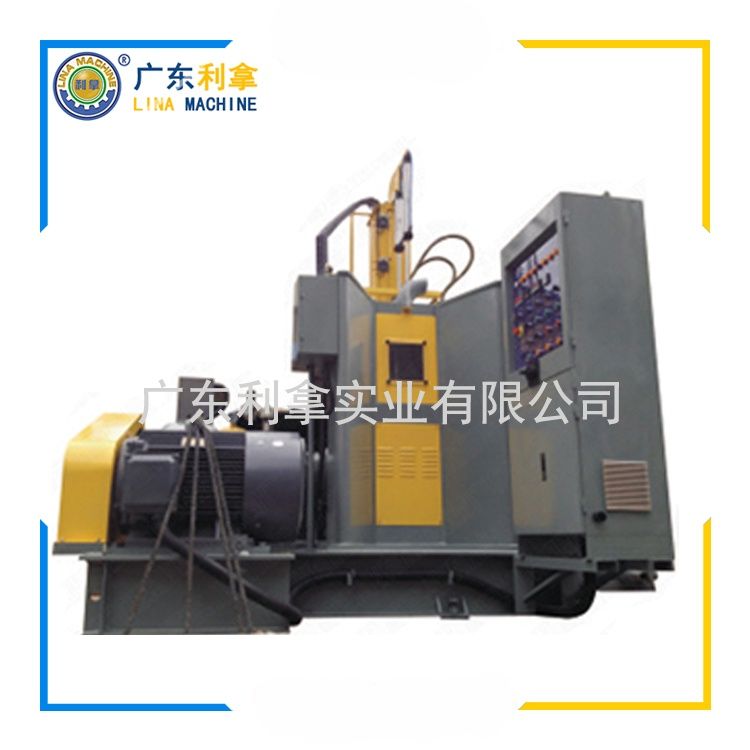
1. Rolling Mills: These are the most common type of pulverizer. They consist of a rotating drum that crushes the material being ground. The size of the particles produced depends on the speed of rotation and the amount of material fed into the mill.
2. Ball Mills: Also known as a ball-mill or rod mill, these devices use steel balls or rods to crush the material. The size of the particles produced is determined by the size of the balls or rods and the amount of material fed into the mill.
3. Hammer Mills: These machines use a heavy hammer to crush the material. The size of the particles produced is dependent on the weight of the hammer and the amount of material fed into the mill.
4. Ultrasonic Pulverizers: These devices use high-frequency sound waves to break down the material. The size of the particles produced is determined by the frequency of the sound waves and the amount of material fed into the mill.
Uses of Pulverizers:
Pulverizers are used in a variety of applications, including:
1. Grinding Powders: These are used in the production of various powdered drugs, such as insulin, antibiotics, and vitamins. The pulverizer ensures that the drug is evenly ground and free from impurities.
2. Grinding Cereals: Pulverizers are also used in the production of breakfast cereals, such as Chex Mix and Rice Krispies. The pulverizer breaks down the cereal into small pieces, making it easier to chew and digest.
3. Grinding Coffee Grounds: Coffee grinders are another example of a pulverizer used in the coffee industry. The grinder ensures that the coffee beans are evenly ground, resulting in a richer and more flavorful cup of coffee.
Tips for Maintaining Pulverizer Efficiency:
To ensure that your pulverizer is working efficiently, there are a few tips you can follow:
1. Regular Maintenance: Regular maintenance is essential for keeping your pulverizer running smoothly. This includes cleaning the machine regularly to remove any debris or dust that may clog the machinery.
2. Proper Fueling: Ensure that your pulverizer is properly fueled with the correct amount of oil or gasoline. Improper fueling can cause damage to the machinery and reduce its efficiency.
3. Proper Grinding Settings: Adjust the grinding settings according to the type of material being ground. For example, if you are using a rolling mill, adjust the speed of rotation and the amount of material fed into the mill to achieve the desired particle size.
1. Pulverizer
2. Rolling Mills
3. Ball Mills
4. Hammer Mills
5. Ultrasonic Pulverizers
6. Grinding Powders
7. Grinding Cereals
8. Grinding Coffee Grounds
9. Maintenance
10. Fueling
11. Grinding Settings
12. Optimization
In today's world, where precision and efficiency are highly valued, the pulverizer plays a crucial role in various industries. From the pharmaceutical sector to the food industry, pulverizers are essential tools that help transform bulk materials into fine powders. By understanding the different types of pulverizers, their uses, and how to maintain them, you can optimize their performance and ensure that your products meet the highest quality standards. With proper care and maintenance, your pulverizer can deliver consistent results time after time, making it an indispensable asset in your production process.