



The Role of Water-Based Pelletizer Machinery in the Production Line
The production line for water-based pelletizer machinery is a crucial component in the manufacturing process of various products, such as animal feed, mineral supplements, and pharmaceuticals. This article will discuss the importance of this line and its role in ensuring the quality and consistency of the final product.
Water-based pelletizer machines are designed to produce small, uniform pellets from a variety of materials, including plant byproducts, animal waste, and synthetic compounds. These machines use a combination of mechanical and chemical processes to achieve this goal. The first step is to grind the raw material into a fine powder, which is then mixed with water and other additives to form a paste. The paste is then extruded through a die into a thin sheet, which is then dried and cooled to form the final pellet.
The production line for water-based pelletizer machinery involves several key components, including the grinding machine, mixing tank, extruder, drying oven, and cooling tunnel. Each of these components plays a critical role in the overall process, ensuring that the final product meets industry standards and consumer expectations.
Grinding machines are responsible for breaking down the raw material into a fine powder, which is then mixed with water and other additives to form a paste. These machines are designed to handle a wide range of materials, including agricultural byproducts, animal waste, and synthetic compounds. They are equipped with advanced technology to ensure consistent output and minimize downtime.
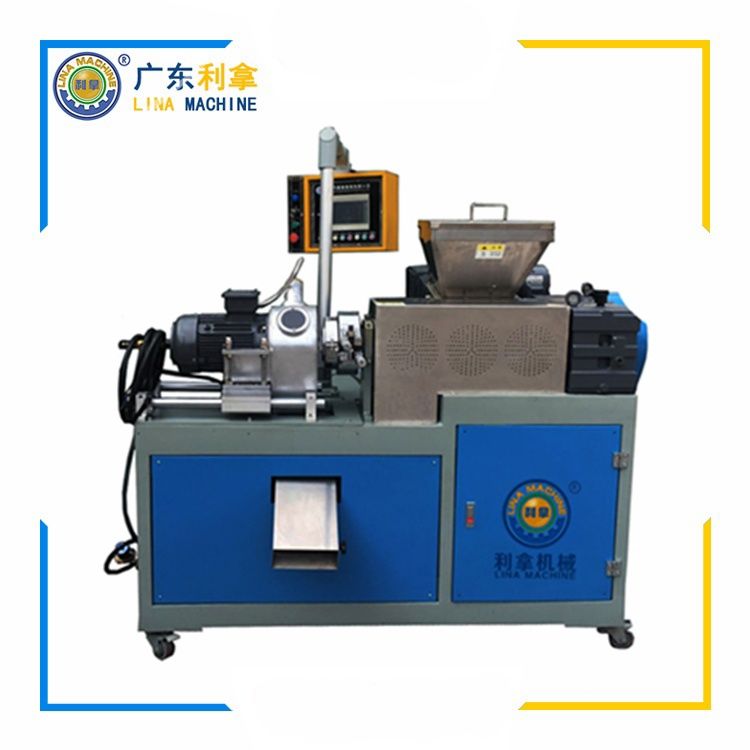
Mixing tanks are used to mix the raw material with water and other additives to form a paste. These tanks are designed to handle large volumes of material and are equipped with efficient mixing systems to ensure even distribution of ingredients.
Extruders are responsible for forming the final pellets from the paste. They use high-pressure air or steam to force the paste through a die, which creates the desired shape and size of the pellet. Extruders are designed to handle a wide range of materials and can be adjusted to produce different types of pellets.
Drying ovens are used to remove moisture from the formed pellets. They are equipped with advanced heat exchange systems to ensure even heating and minimize drying time. Cooling tunnels are used to cool the pellets down to their final temperature before packaging.
Overall, the production line for water-based pelletizer machinery is an essential part of the manufacturing process, ensuring that the final product meets industry standards and consumer expectations. By using advanced technology and skilled operators, manufacturers can produce high-quality pellets that are both safe and effective for their intended use.